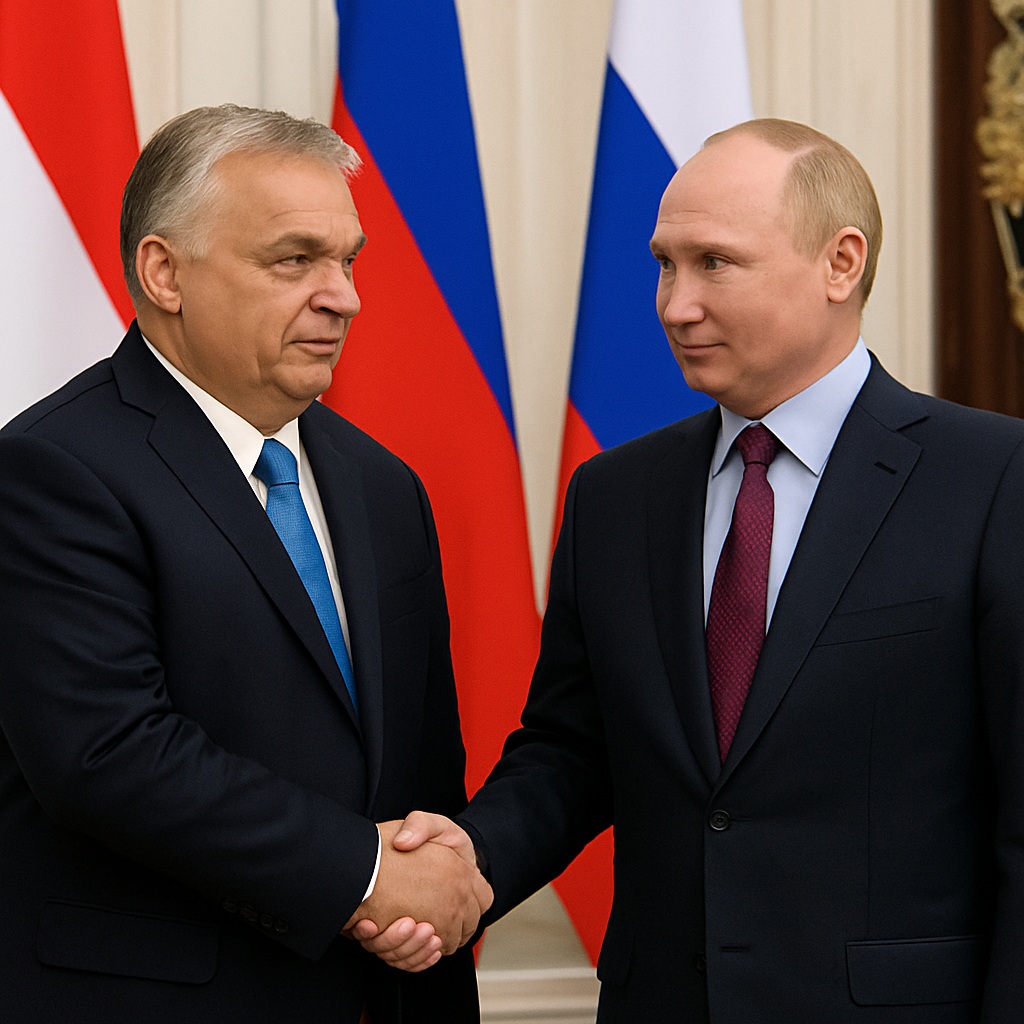
Hungarian premier’s new meeting with Vladimir Putin underscores widening fault lines in Europe’s Russia policy as the Ukraine war grinds on.
As European Union officials struggle to maintain a unified front on Russia, Hungarian Prime Minister Viktor Orbán has again opted for a solo diplomatic venture—this time returning to Moscow for a high-level meeting with President Vladimir Putin. The move, carried out without coordinated EU approval, has cast a fresh spotlight on the bloc’s internal divisions and its faltering efforts to project a single, coherent foreign-policy stance during the ongoing war in Ukraine.
While Orbán has long been the EU’s most vocal dissenter on sanctions and military support for Kyiv, his latest outreach represents a sharper challenge to Brussels. Several EU diplomats privately described the visit as a “strategic rupture,” warning that it risks signaling, intentionally or not, that Europe’s consensus on Russia is softening. Publicly, the EU’s response has been restrained—but tense.
Officials in Brussels emphasized that national leaders remain free to pursue bilateral contacts. Yet they insist such meetings should reinforce, not undermine, the EU’s collective position: continued support for Ukraine, pressure on Moscow to end the war, and strict adherence to sanctions. Orbán’s meeting, however, appeared calibrated to signal the opposite. According to Hungarian state media, discussions focused on energy cooperation, trade stability, and what Orbán called “avenues for peace”—language that mirrors Moscow’s narrative while clashing with EU assessments of Russia’s motives.
Orbán’s government has defended the trip as a matter of national interest, particularly regarding access to Russian gas and the expansion of the Paks II nuclear power plant, a project backed by the Kremlin. But several EU officials say the visit reinforces long-standing concerns about Hungary’s dependence on Moscow—and about Putin’s ability to exploit that dependency to chip away at European unity.
Orbán is not the only European politician seeking direct communication with Russian officials. A handful of former leaders, as well as some sitting politicians on the continent’s fringes, have revived talk of diplomatic “rebalancing,” arguing that Europe must prepare for an eventual settlement with Moscow. These efforts, although informal, complicate the EU’s attempt to tighten pressure on the Kremlin while simultaneously managing war fatigue among European voters.
The political ripple effects extend beyond foreign policy. Some Central and Eastern European governments, unsettled by Orbán’s stance, worry that his outreach may embolden domestic factions sympathetic to Russia or fuel skepticism about sustaining support for Kyiv. Analysts say this trend could shape the EU’s political landscape, especially as governments face elections and shifting public sentiment.
Meanwhile, Kyiv reacted cautiously but critically. Ukrainian officials stressed that any negotiations with Russia must center on restoring Ukraine’s territorial integrity. Privately, several expressed concern that Moscow will leverage Orbán’s engagement as a sign that European resolve is weakening, potentially bolstering the Kremlin’s belief that it can outlast Western unity.
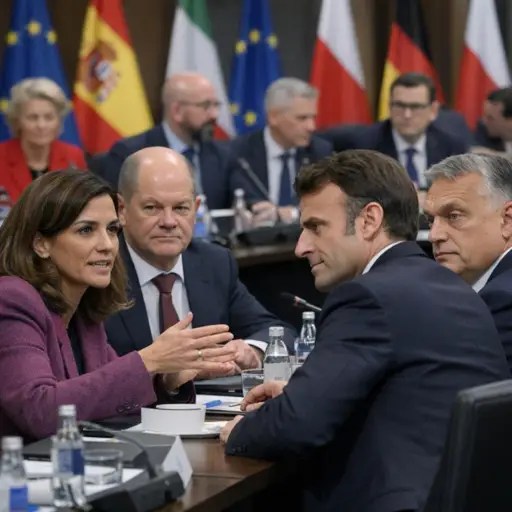
EU leaders are expected to revisit the issue during upcoming foreign-affairs meetings, where Hungary’s continued pushback against Ukraine-related measures—particularly funding streams and sanctions—has already strained deliberations. Some officials said Orbán’s Moscow trip will inevitably force a broader discussion of how the EU manages member-state freelancing in foreign policy during wartime.
For now, the episode highlights a fundamental vulnerability in Europe’s architecture: its reliance on unanimity for major foreign-policy decisions. As the war grinds on and energy pressures resurface, that vulnerability is becoming more difficult to manage. Orbán’s latest maneuver is a reminder that even as the EU presents itself as steadfast in supporting Ukraine, internal dissent can reshape the diplomatic landscape—sometimes dramatically, and always at delicate moments.
In Brussels, the prevailing sentiment is one of unease. As one senior diplomat put it, Europe faces a “strategic crossroads”—and not all member states seem interested in traveling the same direction.



 The Tower Post