
A new analysis uncovers how clothing searches—from underboob dresses to quiet‑luxury knitwear—mirror the insecurities, aspirations, and self‑reinventions shaping modern life.
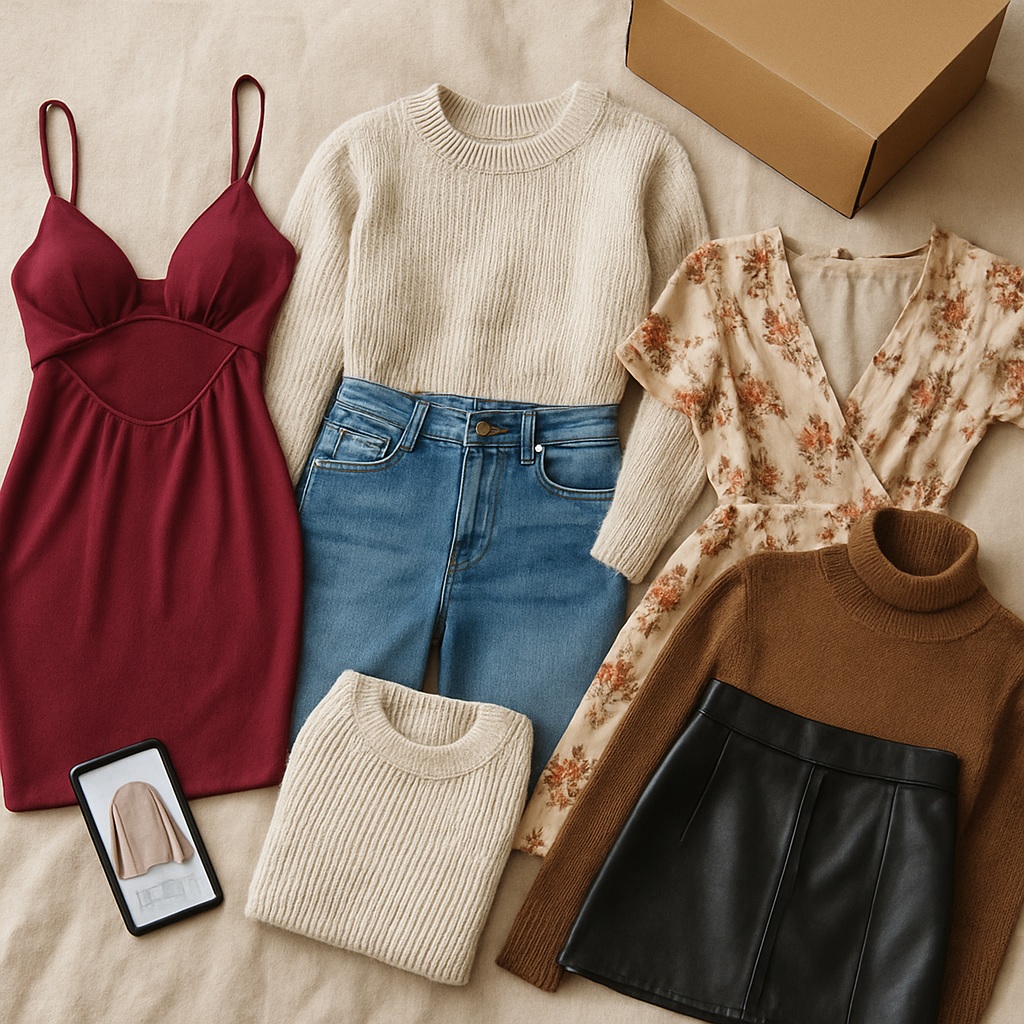
In the swirl of online resale platforms, Vinted has quietly become more than a marketplace. It has grown into a mirror—one reflecting not only what people want to wear, but who they hope to become. A recent psychological analysis of user wishlists shows that fashion browsing, especially in second‑hand environments, is layered with emotional significance. People are not only hunting for deals; they are negotiating identity, age, confidence, and social belonging.
One of the most striking findings comes from the platform’s contrasting top‑searched categories. On one end of the spectrum sits the overtly sensual: underboob dresses, cut‑out tops, micro‑minis stitched to telegraph boldness. These hyper‑reveal items were most often saved by users who also expressed interest in “body transformation” content elsewhere online. The researchers behind the analysis suggest that these choices reflect a blend of aspiration and insecurity—desires to project empowerment while grappling with the pressure to perform a version of sexiness shaped by social media aesthetics.
At the other end, there is the rise of midlife knitwear—a term used to describe high‑quality, soft, “quiet luxury” sweaters, cardigans, and natural‑fiber basics. These items, with their muted palettes and comforting silhouettes, show a very different psychological landscape. Many users saving such items were navigating transitions: promotions, break‑ups, new parenthood, or the subtle shift from striving to grounding. For them, clothing is less about spectacle and more about self‑protection and recalibration.
The analysis emphasizes that the platform’s second‑hand nature adds a powerful layer of emotional resonance. Pre‑owned clothes carry both literal and symbolic warmth: the idea that someone else has lived in the garment adds a sense of continuity and belonging. For shoppers uncertain about reinvention—whether sexualized, minimalist, nostalgic, or status‑driven—resale fashion offers a low‑risk way to try on new identities.
The wishlist function, researchers argue, is especially revealing. Unlike purchases, which can be impulsive, wishlists represent contemplation. They are a private, curated space where people allow themselves to imagine alternate selves. A wishlist filled with bold dresses does not necessarily mean the user will wear them; it may mean they are experimenting with confidence. Conversely, a growing collection of understated knits often points to a desire for stability, or a shift toward self‑care after years of outward performance.
What emerges is a portrait of modern self‑image shaped not by one dominant trend but by the tension between extremes. Today’s digital wardrobes are full of contradictions—soft and sharp, daring and protective, sensual and subdued. Yet this complexity is precisely why the analysis feels so current. Fashion, especially resale fashion, has become a therapeutic language: a way of articulating emotions people can’t quite name.
As the researchers note, the story is less about garments and more about the humans behind them. Our Vinted wishlists are, in many ways, wish‑lists in the truest sense—a blend of longing, fear, reinvention, and hope. Whether through an underboob dress or a cashmere cardigan, people are searching for ways to feel more like themselves, or perhaps like someone new.
In an era defined by flux, Vinted has become a quiet archive of personal transitions—one saved item at a time.



 The Tower Post