
Brussels warns that using Moscow’s immobilized funds could endanger peace prospects and destabilize Europe’s financial foundations
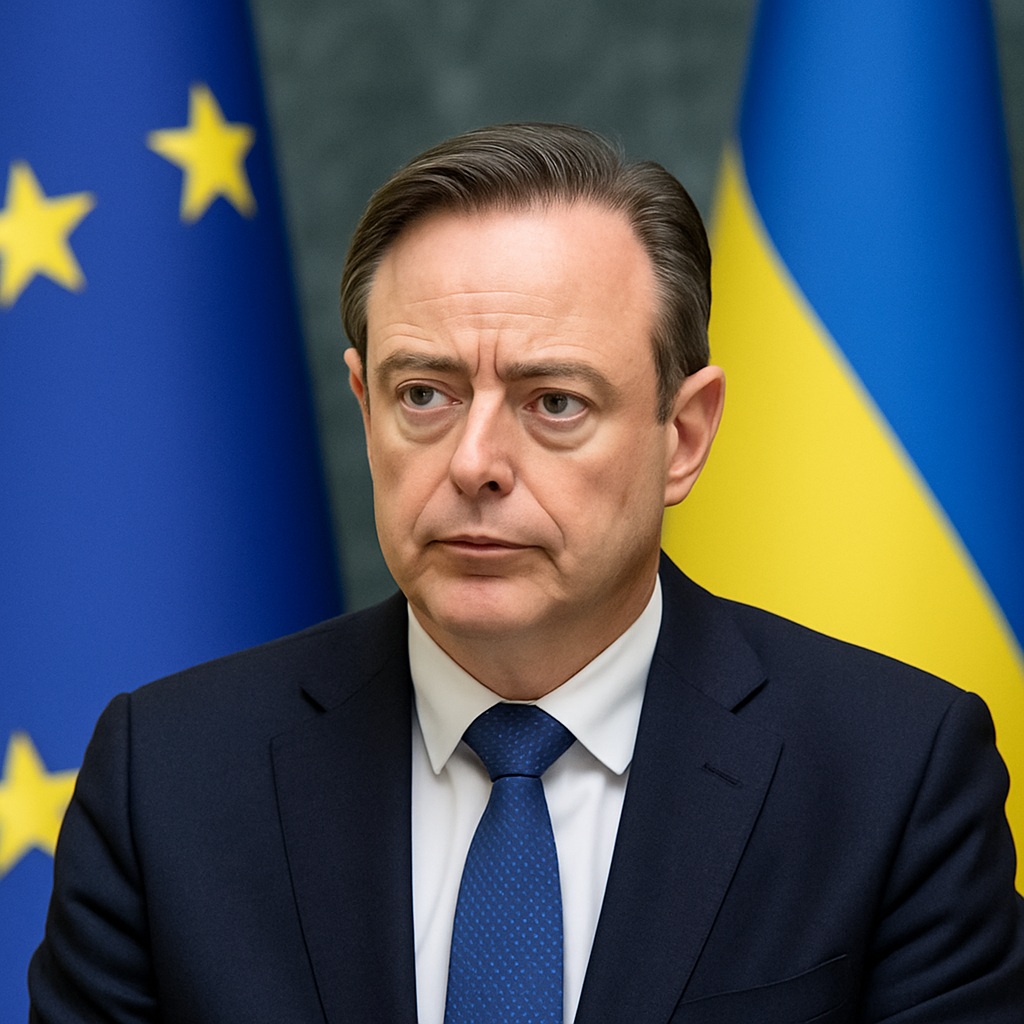
Belgium has emerged as one of the strongest voices urging caution within the European Union as the bloc intensifies discussions over whether to channel profits from frozen Russian assets to support Ukraine’s reconstruction and military resilience. The debate, growing sharper as the year approaches its close, has thrust Brussels into an unexpectedly pivotal role, balancing its support for Kyiv with its concerns over the long-term geopolitical and financial implications of such a precedent-setting move.
At the center of Belgium’s resistance is Bart De Wever, a prominent national figure and incoming prime minister, who has repeatedly warned that the EU’s proposal risks provoking counterreactions from Moscow and undermining delicate diplomatic dynamics. De Wever has argued that while Ukraine’s urgent needs are undeniable, the strategy for meeting them must avoid measures that could destabilize prospects for a negotiated peace. Using frozen Russian assets, he contends, could harden Moscow’s posture at a moment when diplomatic channels—though narrow and fragile—remain strategically essential.
Belgian officials close to the discussions say the concerns are not simply political but also legal and financial. Much of the immobilized Russian state and private funds are held through Euroclear, the Brussels-based clearinghouse whose operations underpin vast portions of global securities markets. Any action altering the status or use of these assets, even indirectly, could become a flashpoint for international litigation, challenge long-standing norms of sovereign immunity, and expose European financial institutions to both legal and reputational risks.
Euroclear itself has alerted policymakers that repurposing profits associated with frozen assets could create ripple effects throughout the financial sector. These could include heightened scrutiny of European custodians, increased reluctance by foreign governments to maintain assets within EU jurisdictions, and potential retaliatory seizures or restrictions imposed by Russia or allied states. For Belgium—host to the clearinghouse, its workforce, and its regulatory structures—those risks carry a particular immediacy.
EU officials promoting the plan argue that the measure does not amount to confiscation. Instead, it would involve diverting the profits generated from the frozen holdings, which remain legally in Russian ownership but have produced sizable accumulated returns since the start of the full‑scale invasion. Proponents maintain that Ukraine is facing escalating financial needs and that Europe must demonstrate both creativity and resolve in strengthening Kyiv’s position.
Belgium, however, finds itself in a delicate position. Supporting Ukraine remains a bedrock commitment in Brussels, where the war is widely seen as a direct test of European security and democratic values. But diplomats say the country is equally determined not to endorse measures that could compromise its role as a stable financial hub or expose European institutions to unpredictable retaliatory actions by the Kremlin.
Behind the scenes, Belgium is advocating what officials describe as a “risk‑contained path”—one that bolsters Ukraine without rewriting the legal assumptions underpinning the international financial system. Some EU member states quietly acknowledge the merit of such a strategy, noting that the proposal to redirect asset‑related profits may not withstand challenges before international courts or arbitration panels. Others argue that hesitation carries its own dangers, allowing Russia to profit from European caution.
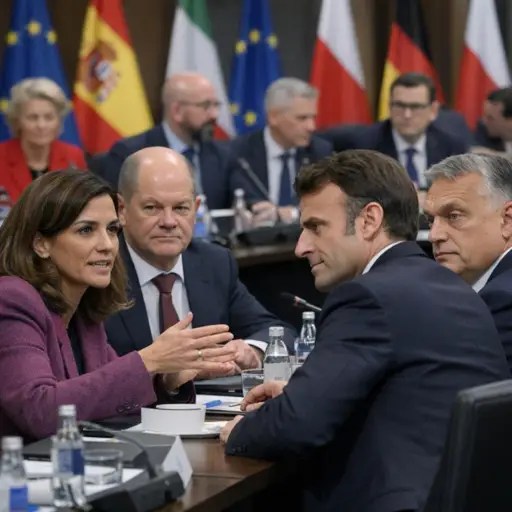
Negotiations among EU ambassadors and legal experts continue, with several governments pushing for additional safeguards, oversight mechanisms, or phased implementation. The debate is shaping up as one of the most complex policy questions of the season: how to strike a balance between supporting Ukraine at scale, preserving the EU’s legal foundations, and avoiding actions that could escalate geopolitical tensions or undermine future peace efforts.
For now, Belgium’s stance has slowed momentum but not stopped the broader initiative. As discussions progress, the issue has become emblematic of the larger pressures facing Europe—pressures that test not only its political unity but also its financial credibility, diplomatic instincts, and capacity to navigate a conflict that shows no sign of fading from the continent’s strategic horizon.



 The Tower Post