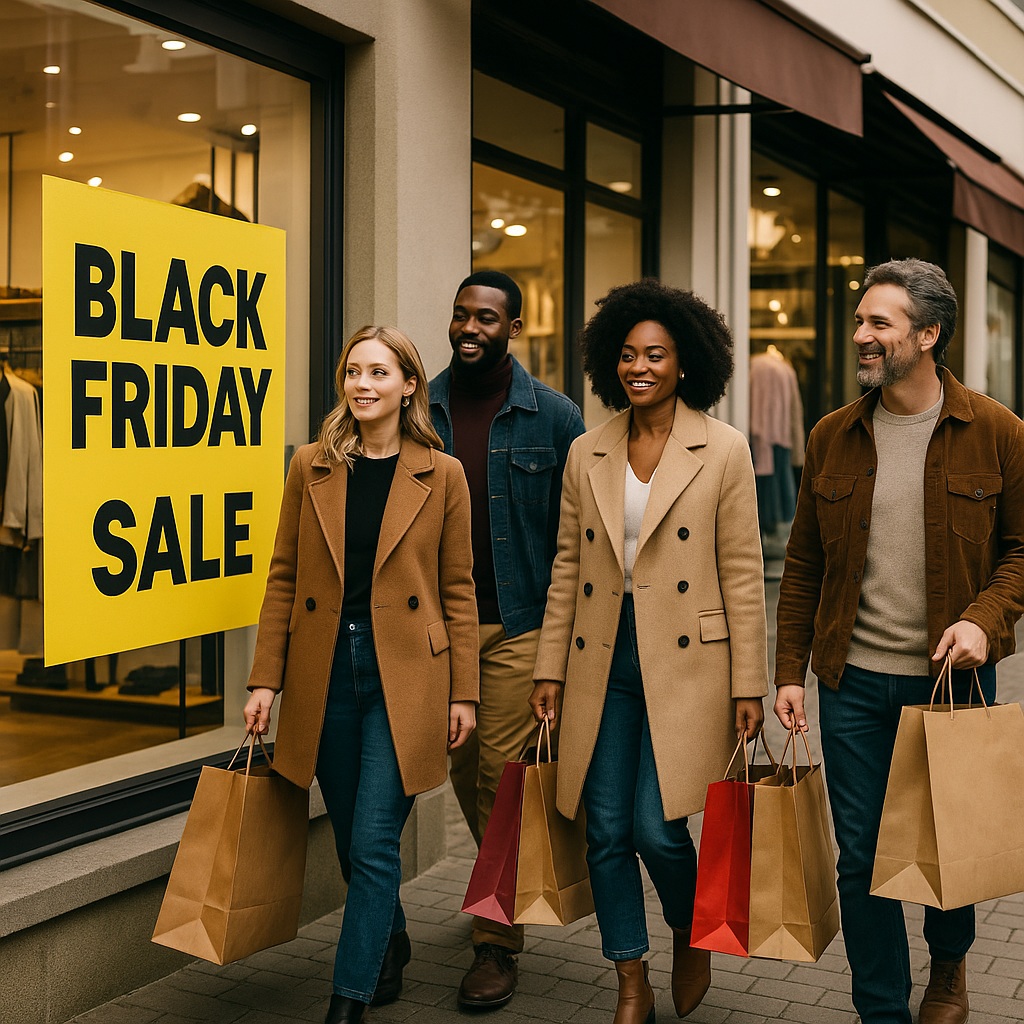
Fashion heavyweights slash prices as shoppers return in force for the year’s biggest retail weekend
As the holiday shopping rush reaches its peak, Black Friday 2025 has once again demonstrated its staying power across the U.S. retail landscape. Clothing retailers and fashion brands—both legacy names and digital-first labels—rolled out some of their most aggressive promotions in years, reflecting a competitive market still adapting to shifting consumer habits and a cooling but resilient economy.
Foot traffic surged in major metropolitan malls and outdoor shopping centers, where crowds formed outside fashion staples before sunrise and continued well into the late evening. Retail analysts noted a renewed confidence among shoppers, many of whom held off on earlier fall purchases in anticipation of the weekend’s historically steep markdowns.
The biggest draw this season came from apparel, with discounts that spanned everyday denim to high-end outerwear. Industry observers pointed out that while promotional pricing has been common throughout the year—driven by excess inventory and economic caution—Black Friday delivered a sharper, more coordinated wave of deals. Brands aimed to re-engage customers who have grown more price-sensitive, with several companies strategically staggering their offers to extend momentum through the rest of the holiday period.
Among the standout performers were the U.S. giants of casual and contemporary fashion. Retailers known for basics and seasonal wear reported exceptionally strong in-store conversions, boosted by bundled promotions and loyalty incentives. Meanwhile, premium labels leaned heavily into limited-edition drops and curated capsule collections, making full use of social media campaigns that paired exclusivity with short-lived flash deals.
E-commerce saw continued dominance, though with a twist: many clothing brands used online platforms to offer deeper digital-only discounts or early-access windows. This hybrid strategy, combining online incentives with in-store exclusives, appeared to pay off. Shoppers gravitated toward brands that clearly communicated stock levels, delivery timelines, and real-time pricing, allowing buyers to feel more secure about their purchases amid ongoing supply chain caution.
Sustainability-driven labels also saw notable traction. Consumers—especially younger demographics—responded strongly to resale promotions, limited-waste packaging, and upcycled capsule collections. Some brands highlighted repair services or trade‑in bonuses, turning Black Friday into an opportunity to merge savings with environmentally conscious shopping. Retail consultants noted that these efforts not only set participating companies apart but also aligned well with broader industry trends toward circular fashion.
Despite the positive numbers, challenges linger. Retailers continued to navigate thin margins, rising labor costs, and uneven consumer confidence. The weekend’s success, analysts said, does not negate the uncertainties surrounding the rest of the holiday season. Still, early indicators suggest clothing retailers managed to strike a careful balance between aggressive promotions and strategic inventory management.
For millions of shoppers, though, the story was simple: Black Friday delivered. From luxury outerwear finally dropping to attainable prices, to everyday staples discounted more deeply than expected, the weekend reaffirmed its place as the defining moment for fashion deals in the United States. As the holiday season progresses, brands will be watching closely to see how these early wins translate into sustained momentum, but for now, retailers are celebrating a weekend that lived up to its reputation.



 The Tower Post