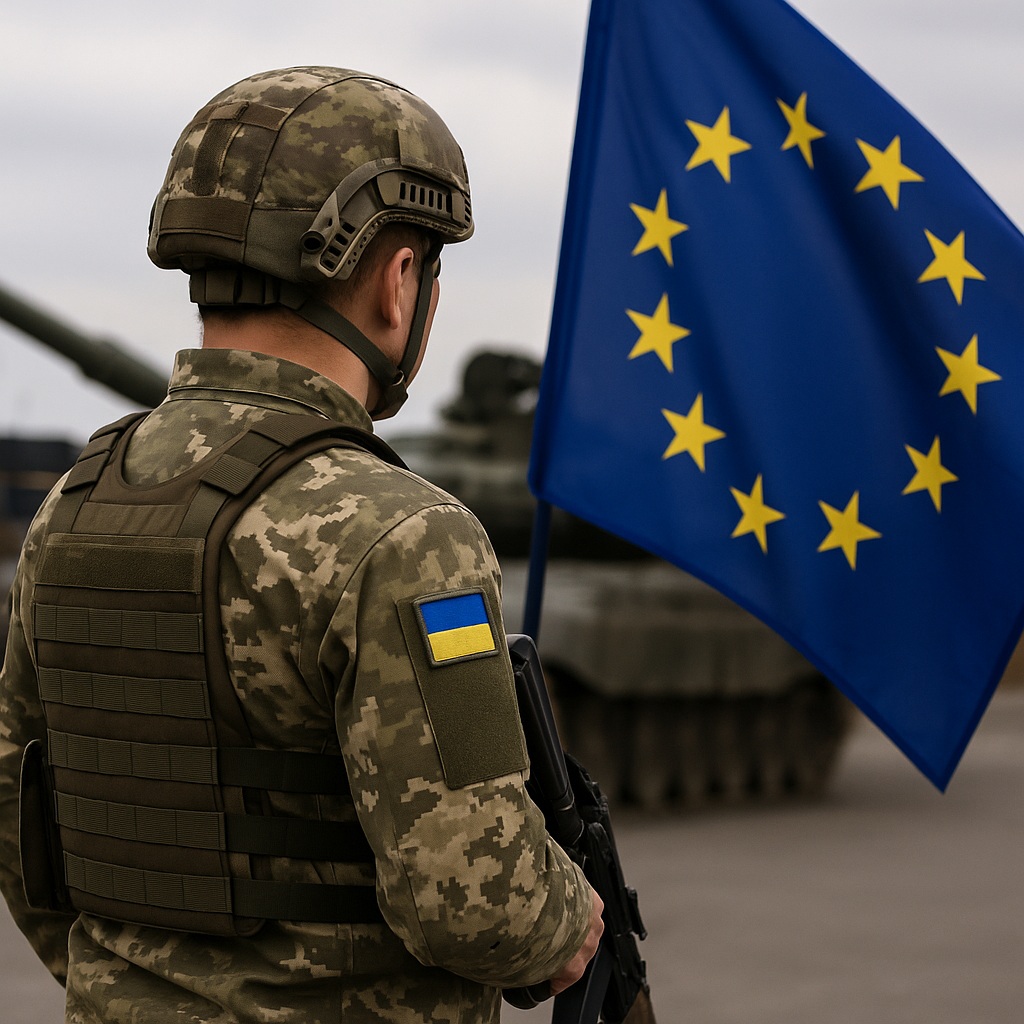
A new €1.5 billion program signals the EU’s shift toward strategic autonomy and a more integrated military-industrial partnership with Kyiv.
Europe is entering a new phase in its security evolution. In a decisive move that marks a turning point in the bloc’s defense strategy, the European Parliament has approved a €1.5 billion program designed to significantly strengthen defense cooperation with Ukraine. The initiative—centered on joint procurement, industrial collaboration, and long-term capability development—reflects the EU’s growing resolve to enhance its strategic autonomy while deepening its military ties with Kyiv.
The approval comes at a moment of ongoing geopolitical instability in Eastern Europe. Ukraine’s defense sector, still under immense pressure, has accelerated rapidly in both output and ingenuity. European lawmakers argue that the new program is not simply an act of support but a crucial investment in the continent’s collective security. The program aims to expand co-production of ammunition, drones, air-defense systems, and battlefield logistics platforms, creating what officials describe as a “shared industrial defense ecosystem.”
An essential component of the initiative is joint procurement. Historically, EU member states have struggled to coordinate large-scale defense purchases, often competing with each other for limited production capacity. Under the new framework, the EU and Ukraine would be able to place consolidated orders, improving efficiency, reducing costs, and extending production chains across multiple countries. Ukrainian factories—many of which have been partially relocated or modernized—are expected to play a central role in the expanded network.
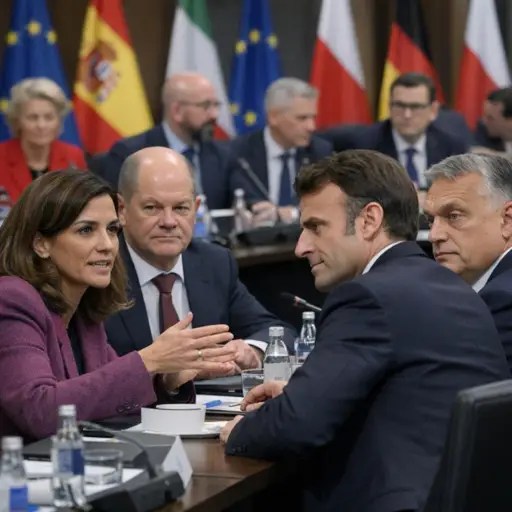
Behind the program lies a strategic recalibration that has been building for years. The EU’s previously fragmented defense posture is giving way to a more unified approach, driven by the realization that European security cannot depend solely on external actors. Analysts say the new partnership with Ukraine is a tangible expression of that shift: a recognition that Kyiv’s battlefield experience, industrial resilience, and technological innovation are indispensable assets for Europe’s future readiness.
Equally significant is the focus on industrial cooperation. European firms will now be encouraged to establish joint ventures with Ukrainian manufacturers, develop shared R&D hubs, and integrate Ukrainian engineering teams into cross-border production cycles. Officials in Brussels say this will not only accelerate supply to Ukraine’s front-line units but also strengthen Europe’s long-term production capacity. Several EU companies have already signaled interest in expanding operations in Ukraine once the security environment allows for broader investment.
Nevertheless, challenges remain. Some member states have raised concerns over long-term financing, supply chain vulnerabilities, and the potential strain on Europe’s already stretched defense budgets. Others worry about balancing urgent needs with longer-term industrial commitments. Still, political momentum appears strong, and proponents of the program argue that the cost of inaction would be far higher.
The initiative also carries symbolic weight. It demonstrates that Ukraine’s integration into European structures is expanding beyond politics and trade, reaching deep into the realms of industrial planning and security policy. While officials stop short of framing the program as a precursor to EU membership, many acknowledge that such partnerships make Ukraine’s future within the European framework increasingly plausible.
As European capitals recalibrate their defense priorities, the €1.5 billion program represents more than an isolated funding decision—it marks a strategic choice. By forging deeper defense-industrial ties with Ukraine, the EU is laying the foundation for a more resilient and autonomous security architecture. This long-term vision, shaped by lessons from recent conflicts, signals the emergence of a Europe more willing to invest in its own protection while standing firmly with Kyiv in an increasingly uncertain world.
Across the continent, policymakers describe this moment as a crucial turning point. With the new program now approved, the EU is moving steadily toward a defense posture that is not only more unified and innovative but fundamentally interconnected with Ukraine’s own security trajectory. For Brussels and Kyiv alike, the partnership represents both a strategic necessity and a shared commitment to a more secure European future.



 The Tower Post