
Moscow signals a rare diplomatic opening, but analysts question the credibility and timing of the Kremlin’s message.
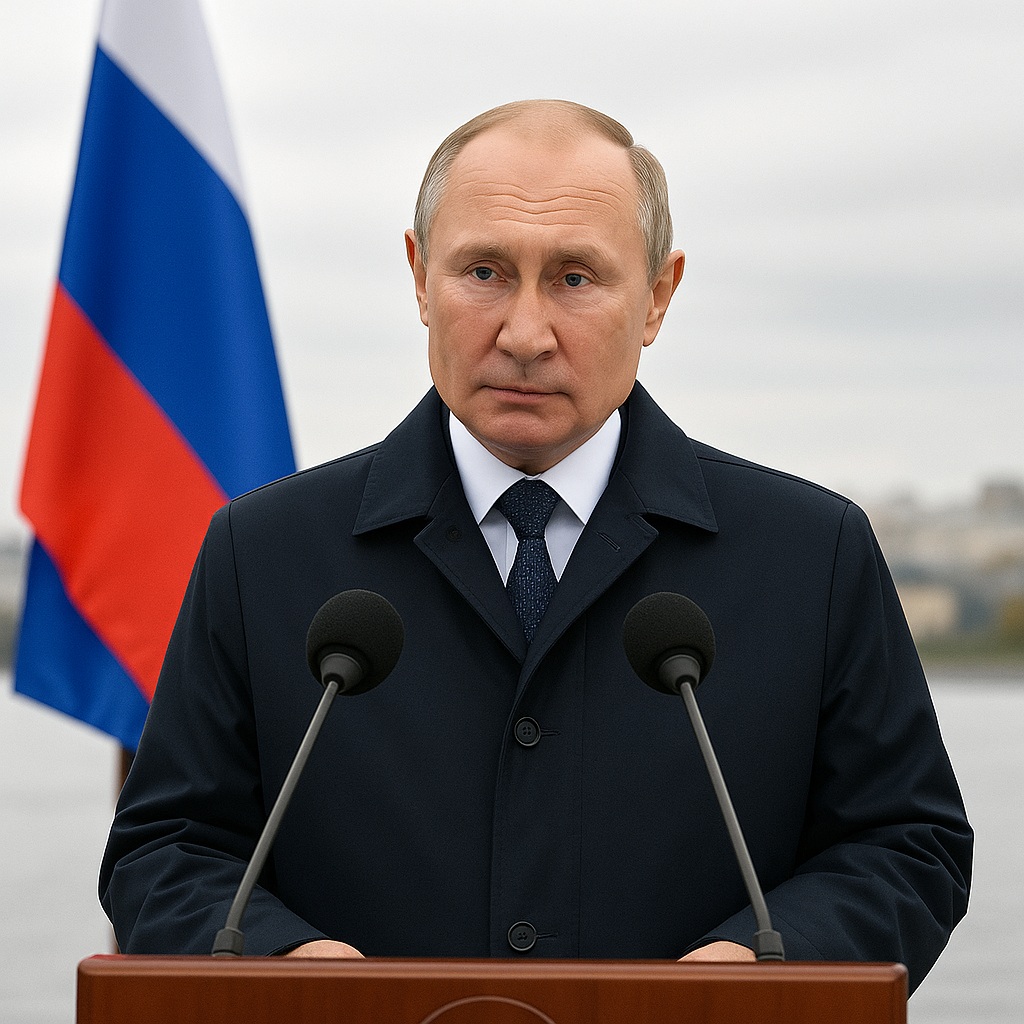
In a move that has startled diplomats across the continent, Vladimir Putin has stated that Russia is prepared to issue a written guarantee affirming it will not launch attacks against European nations. The remark, delivered during a carefully choreographed appearance in Moscow, comes at a moment when concerns about regional escalation continue to shape political debate from Brussels to Warsaw.
Putin dismissed Western fears of a renewed Russian offensive as “ridiculous” and “complete nonsense,” insisting that the Kremlin has no intention of widening the ongoing conflict. His message appeared designed to counter persistent anxieties within Europe, where governments have spent the past year reinforcing defenses, expanding military budgets, and accelerating coordination on energy and cyber resilience.
European diplomats, however, reacted with caution rather than relief. Several senior officials said that any written pledge would be notable but insufficient without verifiable commitments and demonstrable shifts in Russian military posture. They emphasized that Moscow has previously made security assurances that were later contradicted by its actions, leaving many skeptical of the strategic intent behind this latest overture.
Analysts noted that the statement also reflects Russia’s evolving political calculus. Domestically, the Kremlin continues to present itself as a stabilizing force amid global turbulence. Internationally, it faces mounting costs from prolonged confrontation with the West. By appearing to extend an olive branch, Russia may be attempting to influence European political dynamics, especially as debates grow over defense cooperation and the future of transatlantic ties.
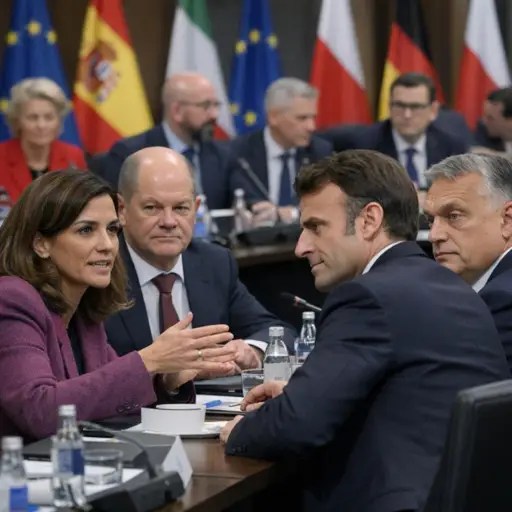
In European capitals, the response has been measured. Leaders reiterated that any genuine reduction of tensions must be rooted in concrete steps—such as transparency in military deployments, a halt to aggressive cyber operations, and a renewed commitment to diplomatic channels long stalled by mutual distrust. While some voices welcomed the possibility of dialogue, others warned that accepting guarantees at face value would risk misreading the Kremlin’s broader strategy.
For now, the proposed written guarantee serves primarily as a political signal. Whether it becomes a meaningful diplomatic tool or remains a symbolic gesture will depend on what follows—and on whether Russia is prepared to match its words with action. As Europe navigates an uncertain security landscape, the question is not only what Moscow promises, but what it ultimately chooses to do.



 The Tower Post