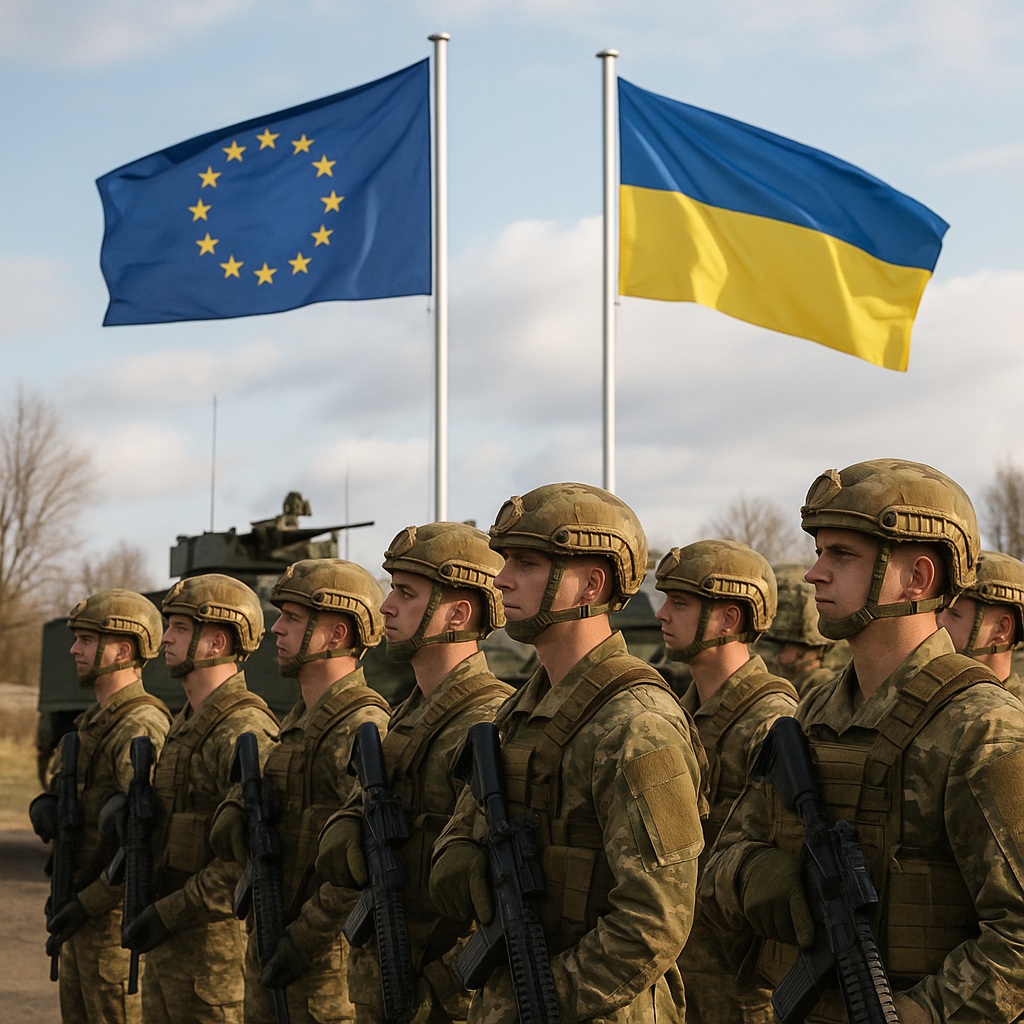
Amid rising threats, EU nations debate deeper ties with Ukraine and coordinated defense procurement to bolster long-term autonomy.
As Europe enters a new phase of geopolitical uncertainty, debates over the continent’s long-term defense posture have sharpened. Across EU capitals, leaders are weighing how closely to tie Europe’s security future to Ukraine’s resilience and what form a more autonomous European defense architecture should take.
The conversation—once abstract—has become increasingly urgent. Governments now openly discuss whether Europe must accelerate joint procurement of critical military systems, deepen defense-industrial integration, and build more predictable frameworks for long-term support to Kyiv. These discussions reflect an emerging consensus that Europe’s security cannot rely indefinitely on external guarantees, even from long-trusted allies.
At the heart of the debate is Europe’s evolving relationship with Ukraine. Kyiv has made clear that its security depends on a stable, long-term partnership with Europe, one that spans armaments production, training, and intelligence cooperation. Several European governments see Ukraine not only as a frontline state but also as a future pillar of European defense, arguing that integrating Ukrainian capacity could dramatically enhance deterrence across the continent.
Still, disagreements persist. Some EU members remain cautious about binding commitments that could escalate tensions or impose long-term financial burdens. Others argue that delaying deeper integration now would leave Europe exposed in the coming years, when security risks are expected to intensify.
Parallel to these discussions is a broader effort to reshape Europe’s defense-industrial ecosystem. Fragmentation has long hampered efficiency: dozens of national procurement programs coexist, often duplicating capabilities and driving up costs. New proposals circulating in Brussels aim to consolidate demand, promote joint production lines, and strengthen Europe’s ability to sustain large-scale defense output over time.
Defense analysts note that coordinated procurement could reshape Europe’s position in the global arms market, reducing dependency on non-European suppliers and improving interoperability within the continent’s armed forces. Yet turning these ideas into reality requires political will—and sustained investment.
Meanwhile, public opinion across Europe is undergoing its own shift. Citizens have grown more aware of vulnerabilities in the continent’s strategic posture. Many increasingly view a stronger European defense not as an optional project but as a necessity. This has encouraged leaders to articulate clearer long-term strategies, even as budgetary pressures rise.
Ukraine’s role in this recalibration remains central. The country’s battlefield experience and rapidly evolving defense industry offer Europe both insights and opportunities. Several EU states are exploring co-production of equipment with Ukrainian firms, seeing it as a means to scale output while accelerating Kyiv’s path toward deeper European integration.
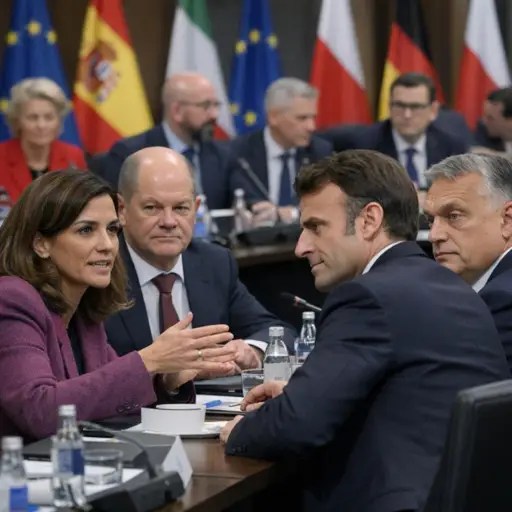
Still, questions of governance, security guarantees, and long-term financial commitments remain unresolved. Diplomats say upcoming high-level meetings will be critical in defining whether Europe moves toward a more unified defense posture or continues with incremental adjustments.
What is clear is that Europe stands at a strategic crossroads. The choices made now—about partnership with Ukraine, about industrial coordination, about the balance between national sovereignty and collective security—will shape the continent’s defense landscape for years to come.
As discussions intensify, one message resonates across European capitals: the time to build a coherent long-term strategy is no longer a matter of future planning, but of present urgency.


 The Tower Post