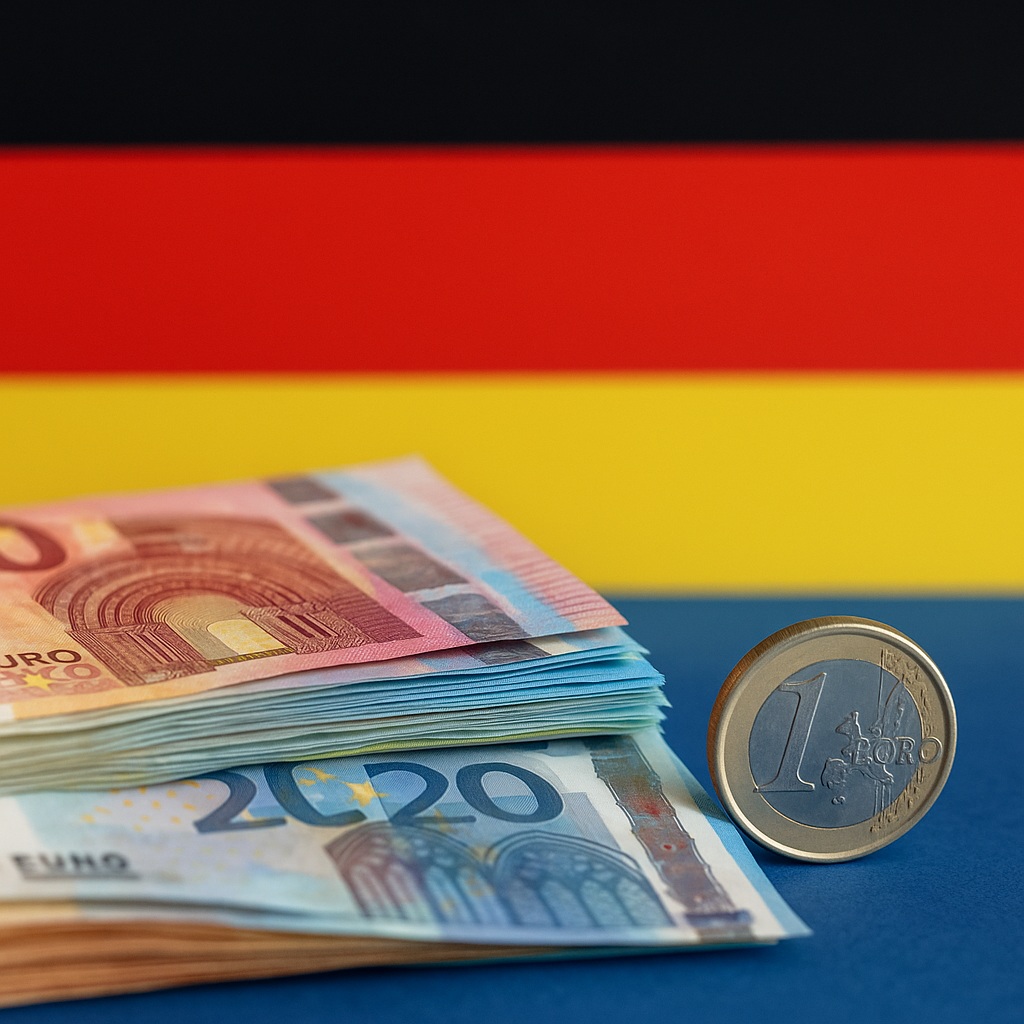
New IW Study Shows Berlin as the Bloc’s Largest Net Contributor Despite Economic Strains
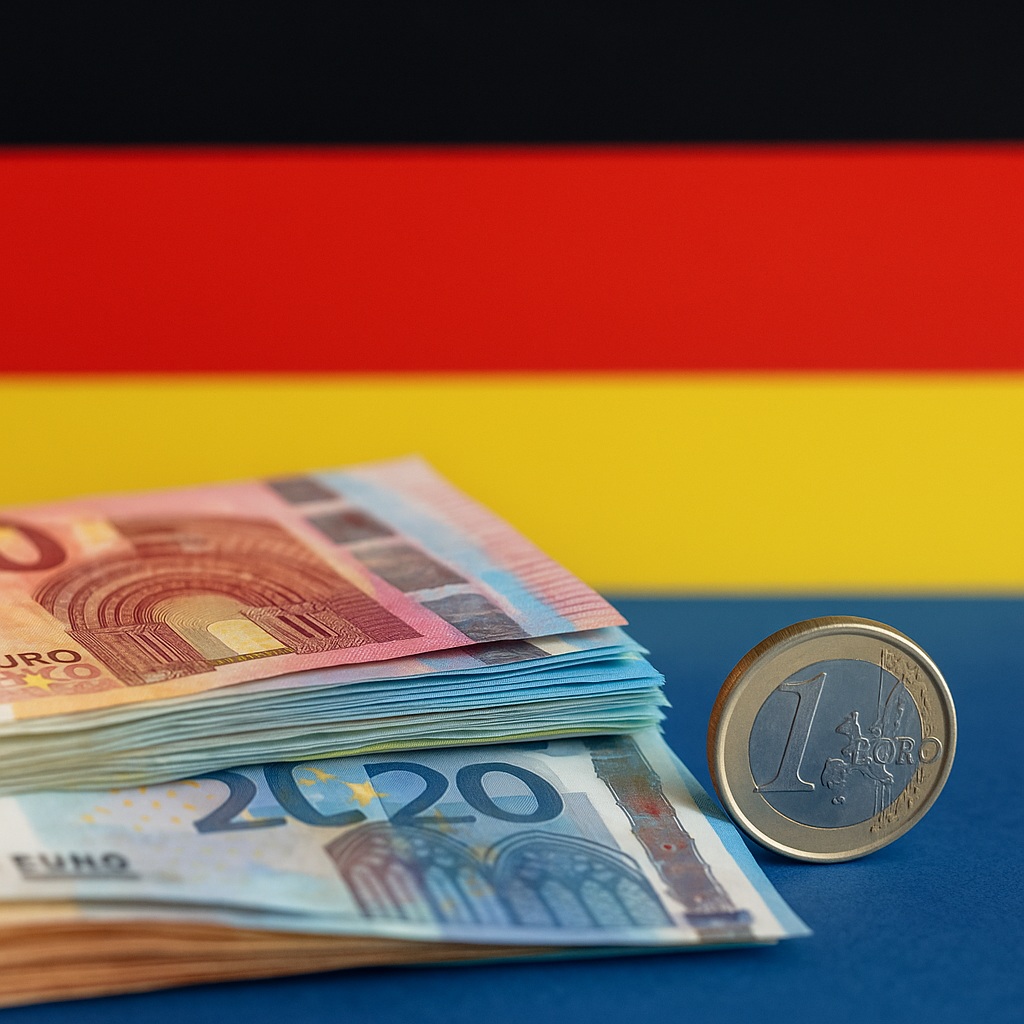
Germany enters the final stretch of the year facing a fragile economic landscape, yet a new analysis from the German Economic Institute (IW) underscores a familiar constant: Berlin remains the European Union’s largest net contributor by a wide margin. According to the institute’s assessment, Germany transferred significantly more into the EU budget than it received in return over the past year, reaffirming its structural fiscal weight within the bloc even as its own economy cooled.
The IW study highlights that Germany’s contribution surpassed its receipts by €13.1 billion in the last budget cycle. The sum, while notably large, is not entirely surprising. As Europe’s biggest economy, Germany has long shouldered a disproportionate share of EU financing, a role that has often shaped the political dynamics of Brussels. What makes this year’s figure remarkable, however, is the backdrop: stagnant industrial output, weakening exports, and declining investment sentiment across multiple sectors.
Economists at IW note that this persistent net contribution reflects a mixture of economic scale, treaty-bound responsibilities, and the EU’s redistributive design. Wealthier member states pay relatively more, while countries with emerging or smaller economies receive higher levels of cohesion and development funding. Germany’s role is not only mathematical — it is political. Its fiscal heft remains one of the EU’s stabilizing anchors at a time when many governments are navigating tighter budgets.
Germany’s economic slump has raised questions about the sustainability of its outsized contributions. Yet analysts argue that Germany’s commitment is unlikely to weaken in the near term. The federal government has repeatedly stressed the importance of maintaining solidarity within the EU, viewing financial contributions not as a burden but as an investment in stability, market access, and geopolitical strength.
According to the IW researchers, the scale of Germany’s contributions also reflects how deeply integrated the country’s industries and labor markets are within the single market. The benefits, though indirect, are substantial: frictionless trade, robust supply chains, and the political cohesion that still forms the backbone of European prosperity. But these benefits have faced increasing strain as Europe grapples with energy uncertainties, the pressures of global competition, and mounting public skepticism toward Brussels.
Within Germany, the findings have stirred renewed debate. Fiscal conservatives argue that Berlin must re-evaluate the balance between domestic needs and European obligations, particularly as public infrastructure and social services feel the squeeze. Others warn against retreating from a role that has repeatedly proven central to the bloc’s financial stability. A diminished German contribution, they argue, could intensify divisions between member states and weaken long-term strategic projects.
The IW study serves as a reminder that Europe’s budget is more than a financial instrument — it is a barometer of collective purpose. Germany’s continued status as the EU’s largest net contributor illustrates its enduring economic influence, even as its own economic engine slows. For policymakers in Berlin and Brussels alike, the challenge ahead will be sustaining that equilibrium: ensuring that solidarity does not wane while addressing the domestic pressures building within Europe’s largest economy.
As the year turns, the conversation in Berlin is not merely about numbers but about direction — how Germany can reconcile its internal economic recalibration with the expectations placed upon it at the European level. The IW report suggests that, for now, the country remains firmly committed to carrying its share. The question looming over the coming year is whether its economic recovery will be strong enough to keep that commitment politically unchallenged.


 The Tower Post