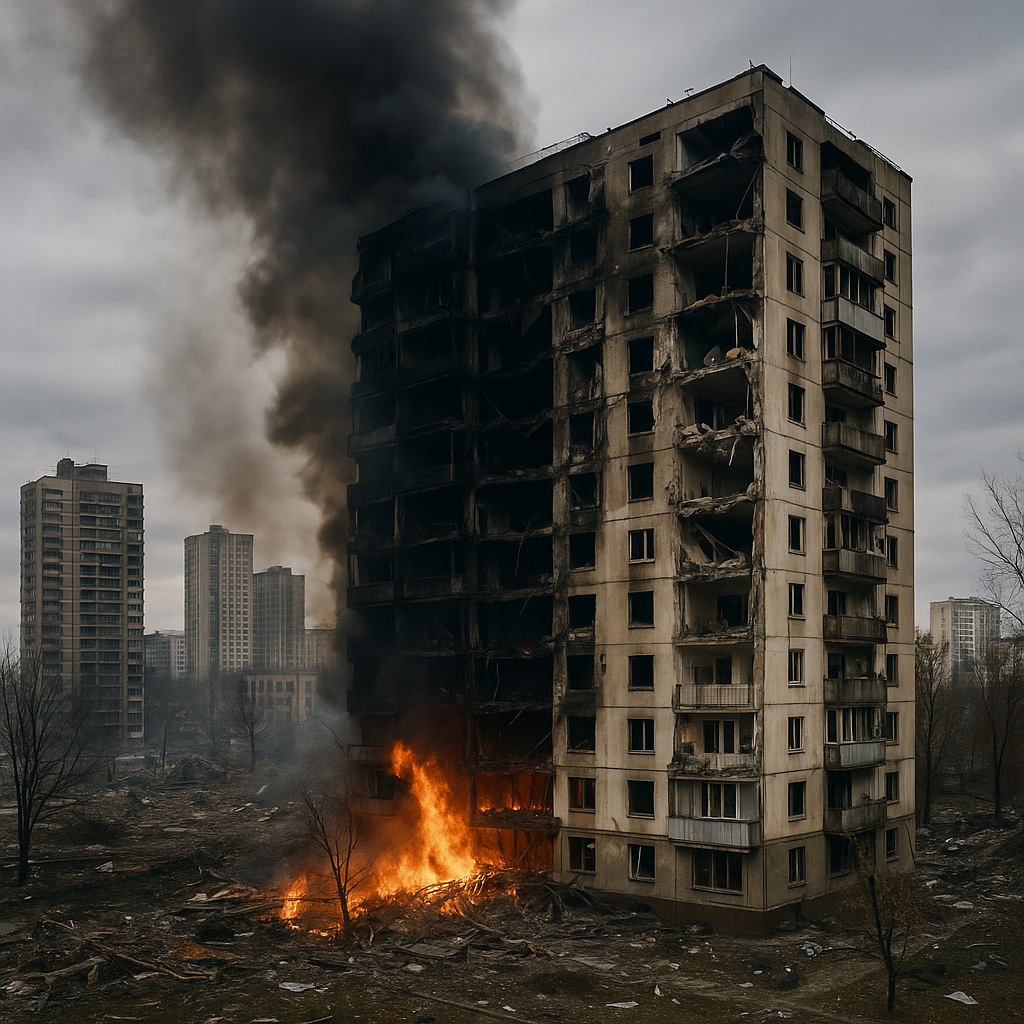
Russia unleashes a massive wave of missiles and drones as Ukraine faces one of its most destructive nights since the war began
Ukraine awoke to widespread devastation after one of the most intense overnight bombardments in recent months. Authorities reported that Russia launched dozens of missiles and hundreds of explosive drones toward Kyiv and surrounding regions, striking residential areas, energy facilities, and transportation hubs. Although no concrete dates have been released by officials, the attack occurred in the early hours of a November night, plunging the capital into darkness and chaos.
The assault began with the low mechanical hum of Iranian-designed drones cutting through the sky, followed by waves of cruise and ballistic missiles. Ukraine’s air-defense systems lit up across the capital, intercepting many of the incoming weapons. Still, several slipped through, igniting fires and triggering explosions that shook the ground across multiple districts. Witnesses described the night glow flickering orange as buildings burned and emergency crews raced from site to site.
In the western quarters of Kyiv, entire apartment blocks were left gutted. Emergency workers spent hours pulling survivors from collapsed stairwells, fighting smoke and freezing night air. Local officials confirmed several casualties with many more wounded, though the full scope remains unclear as search efforts continue. Residents described scenes reminiscent of the early days of the full-scale invasion — shattered glass, buckled roads, and sirens echoing nonstop.
The city’s energy infrastructure suffered another blow. Repeated hits on substations left vast neighborhoods without heat or electricity, stirring fears of prolonged outages as winter tightens its grip. Engineers worked through the morning to stabilize the grid, but authorities warned that rolling blackouts may persist.
Military analysts say the renewed intensity of Russia’s attacks may signal a shift in strategy: an effort to overwhelm Ukraine’s defenses ahead of the coming winter freeze, when mobility on the battlefield changes dramatically. Ukrainian officials echoed this assessment, stating that Moscow appears determined to exhaust the country’s air-defense interceptors and force additional pressure on civilian populations.
Across Kyiv, residents emerged from shelters as dawn broke to scenes of ash-covered playgrounds, cratered intersections, and smoke columns rising from industrial sites. Volunteers distributed blankets and hot drinks while firefighters continued damping smoldering buildings. Hospitals, already strained by months of violence, reported a surge in admissions.
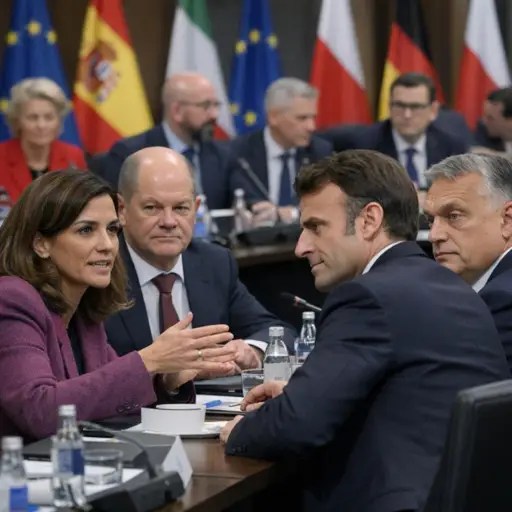
International reaction was swift. European leaders condemned the attack as a deliberate effort to terrorize civilians, while calls increased for further air-defense support to Ukraine. Diplomatic channels buzzed with renewed discussions about strengthening Kyiv’s long-range interception capabilities.
Despite the destruction, the people of Kyiv responded with familiar resolve. Throughout the morning, residents helped clear debris, checked on elderly neighbors, and gathered supplies for those displaced by the blasts. Many spoke of resilience, insisting that even the heaviest night of fire would not extinguish the spirit of the capital.
As cleanup operations continue and officials sift through the wreckage, the scale of the attack underscores once again the precariousness of life in Ukraine’s largest city. With winter approaching, and no sign of de-escalation, Kyiv braces for the grim possibility that more nights like this may lie ahead.



 The Tower Post