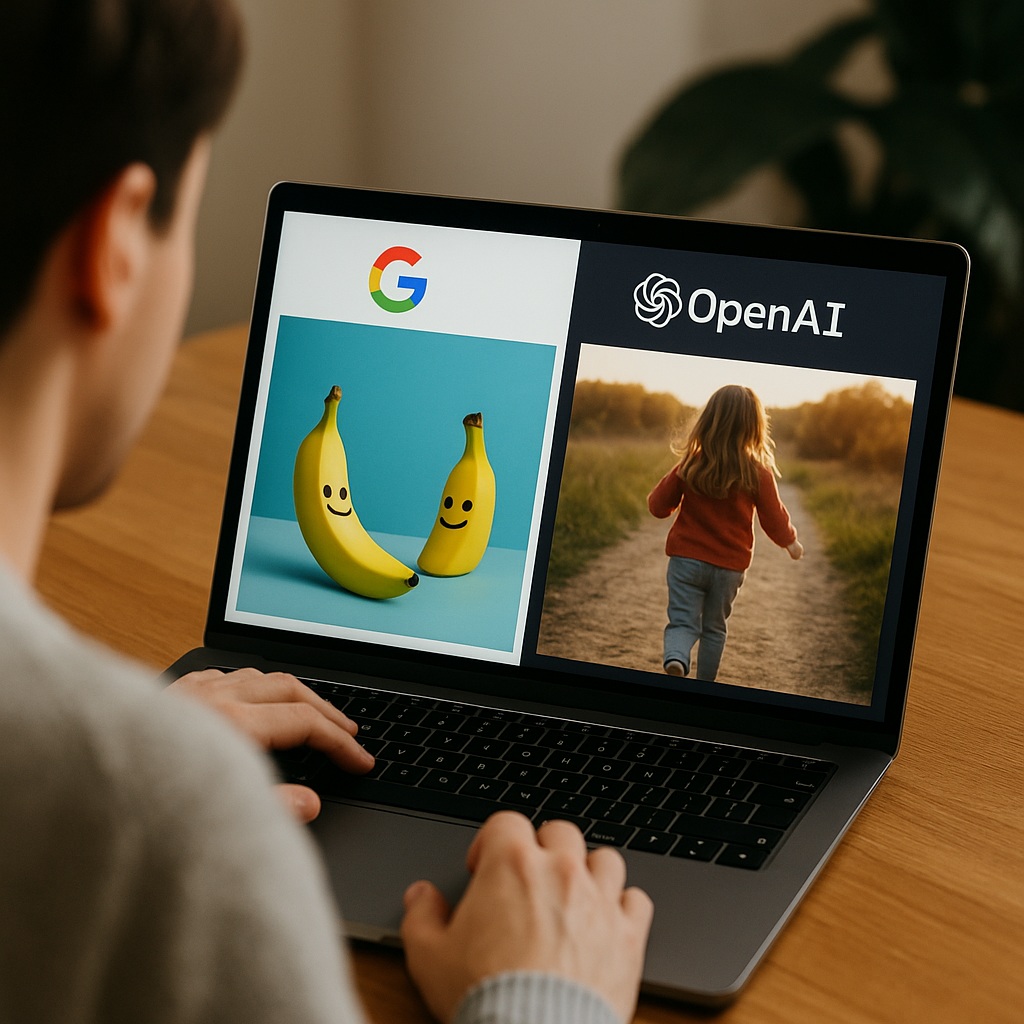
As demand for synthetic media skyrockets, OpenAI and Google tighten access, signaling a new phase in the AI race.
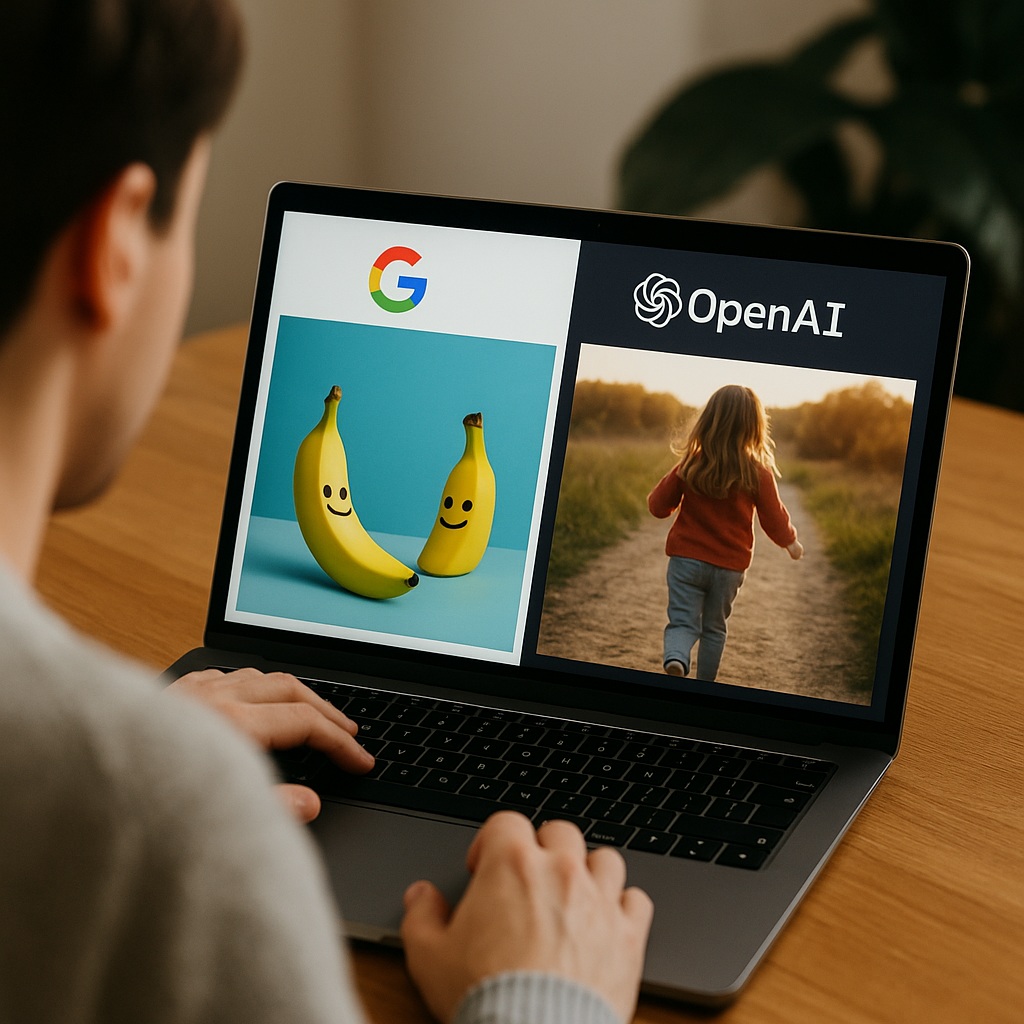
In a year defined by explosive advances in generative media, two of the world’s largest AI companies—OpenAI and Google—have quietly but decisively scaled back free-user access to their flagship image and video creation tools. The shift, which arrives just as synthetic media becomes mainstream, underscores a growing tension between innovation, infrastructure capacity, and user expectations.
Google’s Nano Banana Pro, the lightweight yet remarkably capable media model integrated directly into Android devices and Chrome, now limits free users to two AI-generated photos per day. The cap, which Google describes as a “necessary step to maintain quality and reliability at scale,” follows a months-long surge in adoption driven by social media trends, creative apps, and mobile integration. For a tool marketed as fast, fun, and universally accessible, the new restriction marks a notable recalibration.
OpenAI, meanwhile, has imposed a limit of six free video generations per day on Sora, its celebrated text-to-video engine known for near-cinematic realism. Sora’s rise has been meteoric: advertising agencies have experimented with it, influencers have integrated it into production workflows, and independent creators have used it to bypass traditional filming constraints entirely. But the cost of generating high-fidelity video at massive scale has pushed OpenAI to introduce firmer guardrails for non-paying users.
Behind the scenes, both companies are grappling with similar pressures. The infrastructure required to support generative media—especially video—is enormously resource-intensive, demanding vast GPU clusters and energy consumption that rivals midsize data centers. The influx of casual users seeking limitless free generations has triggered not only computational strain but also concerns about sustainability and service reliability.
For everyday users, the new limits represent a subtle but significant shift in how “free AI” is defined. Until recently, companies fueled adoption by offering powerful tools with few restrictions. The sudden emergence of hard caps suggests that the era of generous open access may be giving way to one where computational resources are treated as finite digital commodities.
Industry analysts note that this moment may mark the beginning of a broader trend. As generative models become ever more sophisticated—and more expensive to run—free tiers may increasingly serve as gateways rather than destinations. Paid plans, enterprise agreements, and device-level optimizations could shape the next chapter of AI accessibility.
Yet despite the new limits, user engagement remains high. Early data suggests that people are adapting quickly, using their daily allocations more intentionally and exploring editing and remixing features that require fewer compute cycles. And with December bringing renewed interest in year-end digital storytelling, demand is unlikely to cool off soon.
The shift by OpenAI and Google underscores a simple reality: the future of generative media is bright, but not without boundaries. The companies leading the charge are now learning to balance innovation with practicality—ensuring that the tools transforming global creativity remain both powerful and sustainable.



 The Tower Post