
Once vocal critics of Moscow’s hardline politics, influential liberal figures increasingly align with state narratives as hopes for a negotiated ceasefire continue to dim.
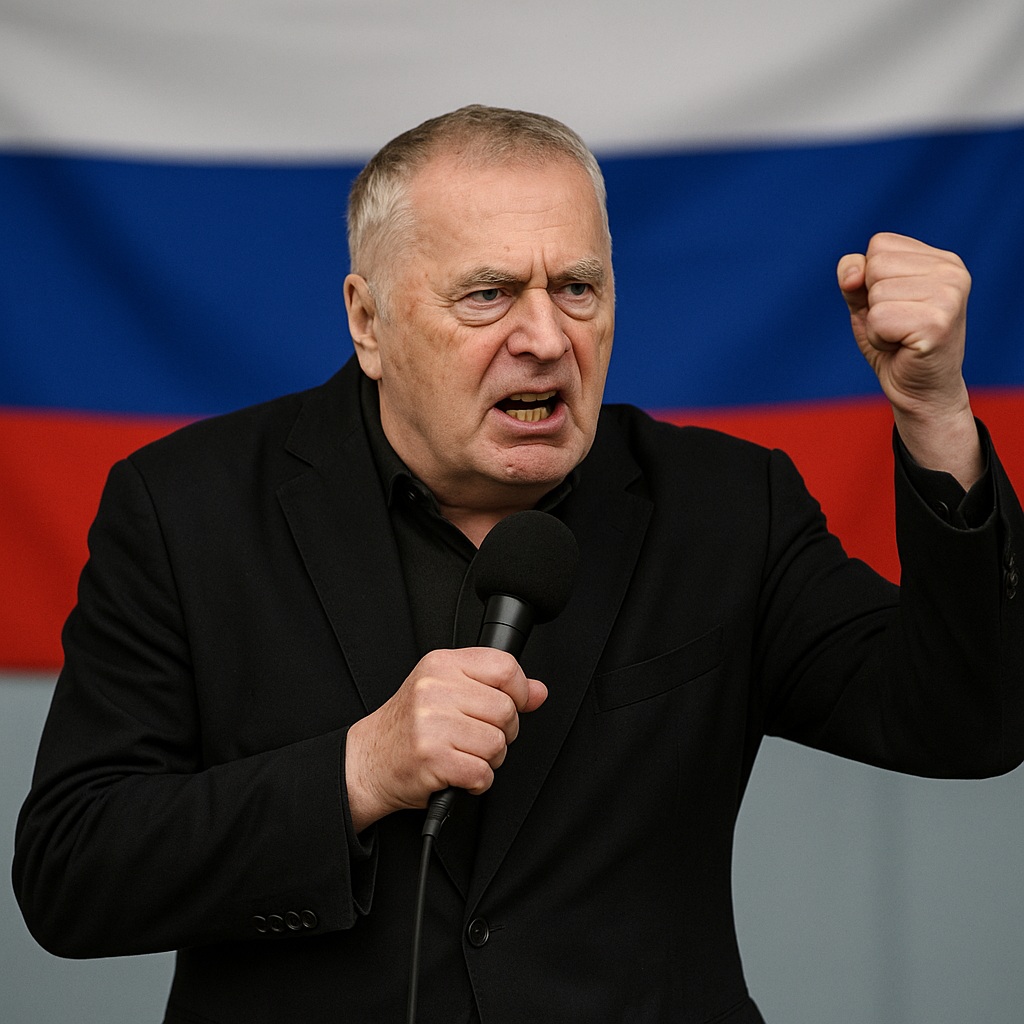
Former members of Russia’s once-vibrant liberal intelligentsia—long regarded as the country’s moral counterweight to Kremlin orthodoxy—are adopting rhetoric that mirrors the government’s increasingly confrontational posture toward Europe. The shift, subtle at first, has accelerated over recent months as geopolitical tensions persist without signs of de-escalation.
What began as restrained criticism of Western policy has transformed into a chorus of pronouncements that closely resemble the talking points of pro-Kremlin commentators. Figures who once advocated deeper integration with Europe now warn of Western “encirclement,” “civilizational hostility,” and “existential threats” to Russia. Many have taken to popular social platforms and cultural forums to argue that Europe has forfeited its “moral authority,” a line nearly indistinguishable from state media messaging.
Analysts say the evolution is striking not only because it represents a departure from decades of liberal advocacy, but because it signals a broader societal realignment. As diplomatic channels remain frozen and the prospect of ceasefire negotiations drifts ever further from view, the pressure to conform—whether ideological or psychological—appears to be reshaping public discourse.
For some, the shift is rooted in disillusionment. Former reform-minded politicians and cultural critics who once condemned the government’s actions have expressed frustration with Europe’s policies, particularly its ongoing sanctions and military support to Ukraine. Others appear driven by a desire to remain relevant in an environment where dissent has become both dangerous and marginalizing.
This ideological realignment has been met with alarm by Russia’s fragmented opposition in exile. Many argue that the embrace of Kremlin-style rhetoric by former allies risks blurring the moral lines that once defined the liberal movement. “When voices that once stood for democratic values begin to echo the language of power, it becomes harder to distinguish genuine conviction from survival instinct,” one opposition figure said.
The consequences of this rhetorical convergence extend beyond political identity. Cultural institutions historically associated with open debate—literary circles, independent theaters, academic forums—are also showing signs of internal strain. Debates that previously encouraged nuance have become charged with accusations of disloyalty or naivety, mirroring the polarized environment fostered by state narratives.
Meanwhile, Europe’s perception of these evolving dynamics remains largely skeptical. European officials and scholars note that the transformation of Russia’s liberal elite complicates efforts to engage with alternative voices inside the country. With fewer prominent figures willing to openly challenge Kremlin positions, the space for dialogue appears to be shrinking.
As the conflict chugs on without visible progress toward a ceasefire, the gravitational pull of the Kremlin’s worldview seems to grow stronger. Whether this shift among the former liberal elite represents a lasting ideological transformation or a temporary adaptation to political pressure remains uncertain. But for now, the voices that once symbolized Russia’s democratic aspirations are increasingly difficult to distinguish from those defending the state’s hardened stance toward Europe.
The result is a landscape where convictions blur, rhetoric sharpens, and the divide between Russia and Europe deepens—leaving observers to wonder whether the country’s liberal tradition can withstand the weight of a new ideological reality.

 The Tower Post