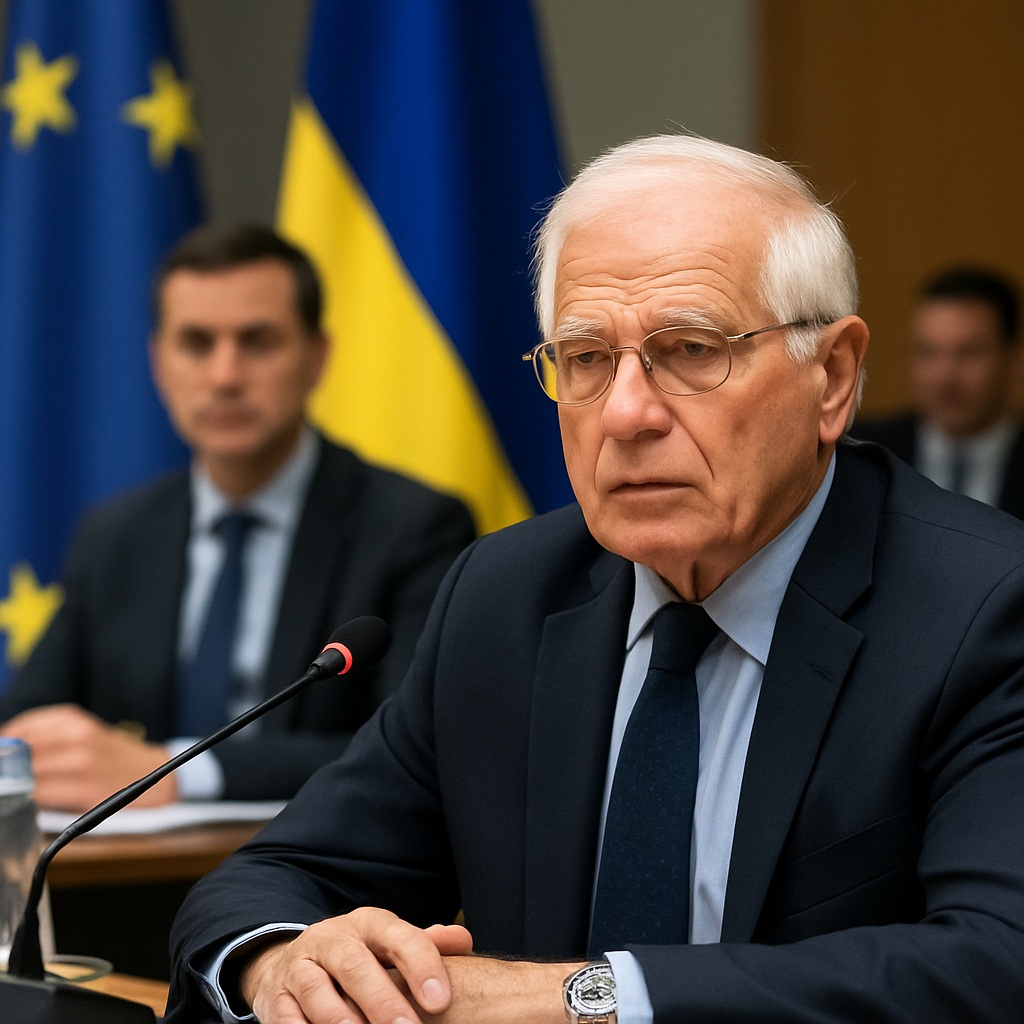
As U.S.–Russia contacts draw near, the EU warns that the next stretch could determine whether diplomacy yields a durable peace.
In a week heavy with quiet phone calls, shuttle diplomacy, and late‑night briefings in Brussels, the European Union’s top diplomat issued his most forceful warning yet: the coming days may prove pivotal for Ukraine’s path toward a negotiated settlement. With Washington preparing to re‑engage Moscow in direct talks, the bloc is bracing for what officials describe as a “make‑or‑break window” that could shape the conflict’s next phase.
The sense of urgency within EU institutions has risen sharply. Senior diplomats say the mood has shifted from cautious optimism to a sober recognition that the diplomatic balance is fragile. While EU officials avoid tying developments to specific dates, multiple sources describe this period as uniquely sensitive — a moment when political incentives, battlefield conditions, and international pressure have aligned in a rare, potentially fleeting configuration.
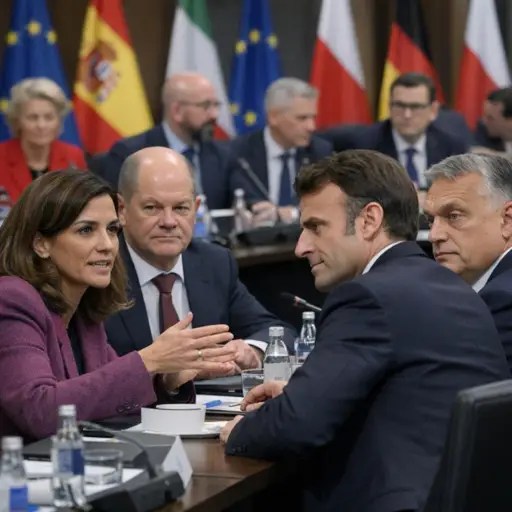
Behind closed doors, European envoys are working to maintain unity among member states as variations persist in how hard a line to take. Several countries bordering Russia advocate a maximalist approach, insisting that only steadfast firmness will press Moscow into meaningful concessions. Others within the bloc, while not wavering on core principles, have begun pushing for more flexibility in sequencing security guarantees, territorial administration mechanisms, and economic stabilization frameworks.
At the center of these debates lies a crucial question: can Kyiv secure a sustainable peace without jeopardizing its sovereignty or long‑term security? European officials say any settlement must be anchored in credible enforcement mechanisms, international oversight, and robust guarantees that deter future aggression. The EU’s warning about the importance of this week reflects the precariousness of that balance.
Adding complexity is the renewed diplomatic activism from Washington. U.S. officials have maintained that any negotiation must occur “with Ukraine, not over Ukraine,” but the mere prospect of high‑level contact between Washington and Moscow has intensified discussions in Europe about how best to coordinate messaging. One EU diplomat noted that the bloc “cannot afford mixed signals at a moment where coherence is itself a form of leverage.”
On the Ukrainian side, the government continues to project resolve. Advisors close to the presidency emphasize that the country will not accept terms that undermine its political independence or its future integration with European structures. Yet they also acknowledge — more openly than in earlier phases of the conflict — that diplomatic pathways must be tested, especially as the humanitarian and economic toll continues to rise.
For Kyiv, European backing remains indispensable. The EU has provided long‑term financial support, defensive equipment, and political cover at critical junctures. Now, the bloc’s role shifts toward preserving unity among allies while encouraging Russia to engage in a process that has meaningful outcomes rather than symbolic gestures.
Though public statements remain measured, officials privately concede that the stakes could hardly be higher. A successful round of talks could set in motion a structured diplomatic process, easing tensions and potentially opening channels for broader regional stabilization. A breakdown, however, risks entrenching positions and prolonging a conflict that has already reshaped Europe’s security architecture.
European diplomats describe this moment as a narrowing corridor — one that demands clarity, coordination, and an unwavering commitment to principles. Whether that corridor widens into a pathway toward peace or closes amid renewed confrontation will depend heavily on what unfolds over this critical period.
For now, Brussels, Kyiv, and Washington remain locked in a delicate choreography, each step calibrated for maximum strategic effect. As this pivotal stretch unfolds, all eyes turn to whether diplomacy can finally carve out space for a viable peace — or whether the world must brace for a harder, more uncertain road ahead.



 The Tower Post