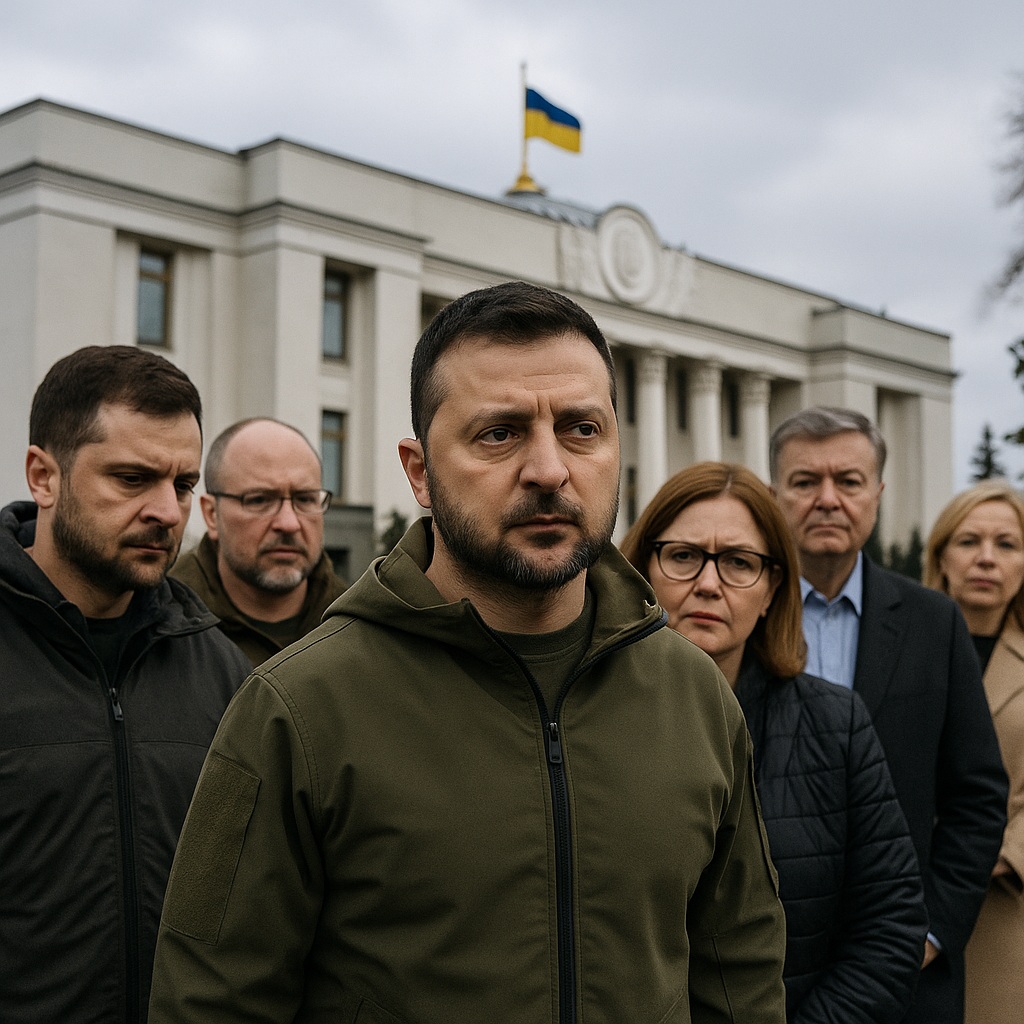
Corruption probes and a top aide’s resignation fuel calls from European partners for transparent justice as Ukraine weighs its political path forward

Internal tensions in Kyiv grew markedly in early November as a sweeping anti‑corruption probe and the abrupt resignation of a senior presidential aide ignited a wider debate over trust in government during wartime. Ukrainian officials, already under strain from prolonged conflict and economic hardship, now face mounting scrutiny from both domestic watchdogs and European allies who have urged transparent, independent judicial proceedings.
The scandal, which centers on alleged procurement irregularities involving several government-linked contractors, has amplified long‑standing public frustration. Citizens interviewed across the capital described a familiar mix of anger and guarded hope: anger at the persistence of corruption even as the country fights for its survival, and hope that the current investigations may mark a turning point in a long‑promised institutional overhaul.
Inside the presidential administration, the departure of the aide — known for coordinating strategic communications and acting as a behind‑the‑scenes negotiator — has intensified speculation about internal disagreements over crisis management. Sources close to the administration say the resignation reflects deeper concerns over how swiftly and decisively the government has responded to corruption allegations. While officials have urged patience, critics argue that the slow drip of information has damaged public confidence.
Members of Ukraine’s civil society networks, which have played a crucial role in monitoring wartime governance, called the moment a “stress test” for democratic resilience. They warn that the gap between public expectations and official responses could widen unless authorities adopt a more proactive posture. Anti‑corruption activists have pressed for full transparency from prosecutors and insisted on strict independence for investigative judges.
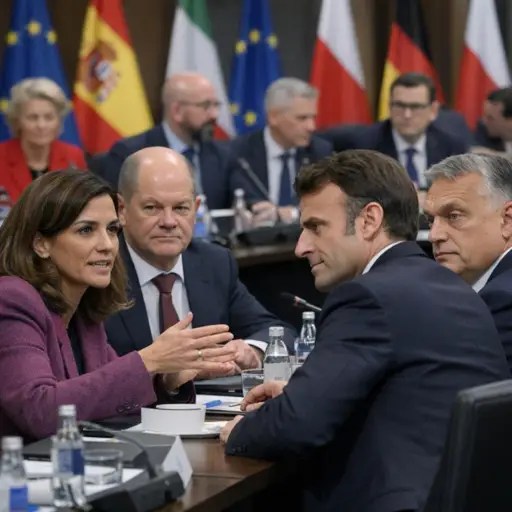
Across Europe, the reaction has been notably cautious but firm. Several European Union diplomats have reiterated that the credibility of Ukraine’s reform agenda is central to ongoing political and financial support. Behind closed doors, discussions have intensified over how Ukraine’s internal reforms will factor into its long‑term relationship with EU institutions. While no partners have signaled an immediate shift in support, there is clear anxiety over whether Kyiv can maintain momentum on judicial reform amid political turbulence.
Analysts in Brussels say the scandal arrives at a sensitive juncture, as European leaders debate the framework for future integration and security cooperation. Some diplomats fear that unresolved corruption cases could embolden skeptics who question whether Ukraine’s political institutions are ready for deeper alignment. Others counter that a vigorous and independent response from Kyiv could strengthen its case by demonstrating that wartime pressures have not derailed accountability mechanisms.
In Kyiv’s parliament, lawmakers from multiple factions have demanded emergency briefings and called for strict oversight of the procurement system. A handful of opposition members have hinted at the possibility of a special committee, though its formation remains uncertain. For now, parliamentary leaders have urged restraint, hoping to prevent the scandal from escalating into an outright political crisis.
Yet the broader public mood illustrates the stakes. War fatigue, economic uncertainty, and a sense of national vulnerability are shaping how Ukrainians interpret the scandal. On social networks, many expressed frustration not only with specific allegations but with the perceived fragility of promises made since the early days of the conflict—that corruption would no longer be tolerated and that justice would be swift.
Experts note that the coming weeks may determine whether the investigations are seen as credible. A transparent process, they say, could bolster Ukraine’s long‑term institutional legitimacy and help reassure European partners at a pivotal moment in regional geopolitics. Conversely, any hint of political interference could risk undermining both domestic trust and international support.
For now, Kyiv’s leadership faces a delicate balancing act: demonstrating resolve without undermining stability, cooperating with investigators while managing wartime constraints, and reassuring European partners that the country remains committed to reform. As the scandal unfolds, Ukrainians are watching closely, hoping that this moment of pressure becomes a catalyst for strengthening—not weakening—the foundations of their democracy.



 The Tower Post