
Rising security priorities are pushing governments toward a new era of state-led investment and long‑term strategic planning.
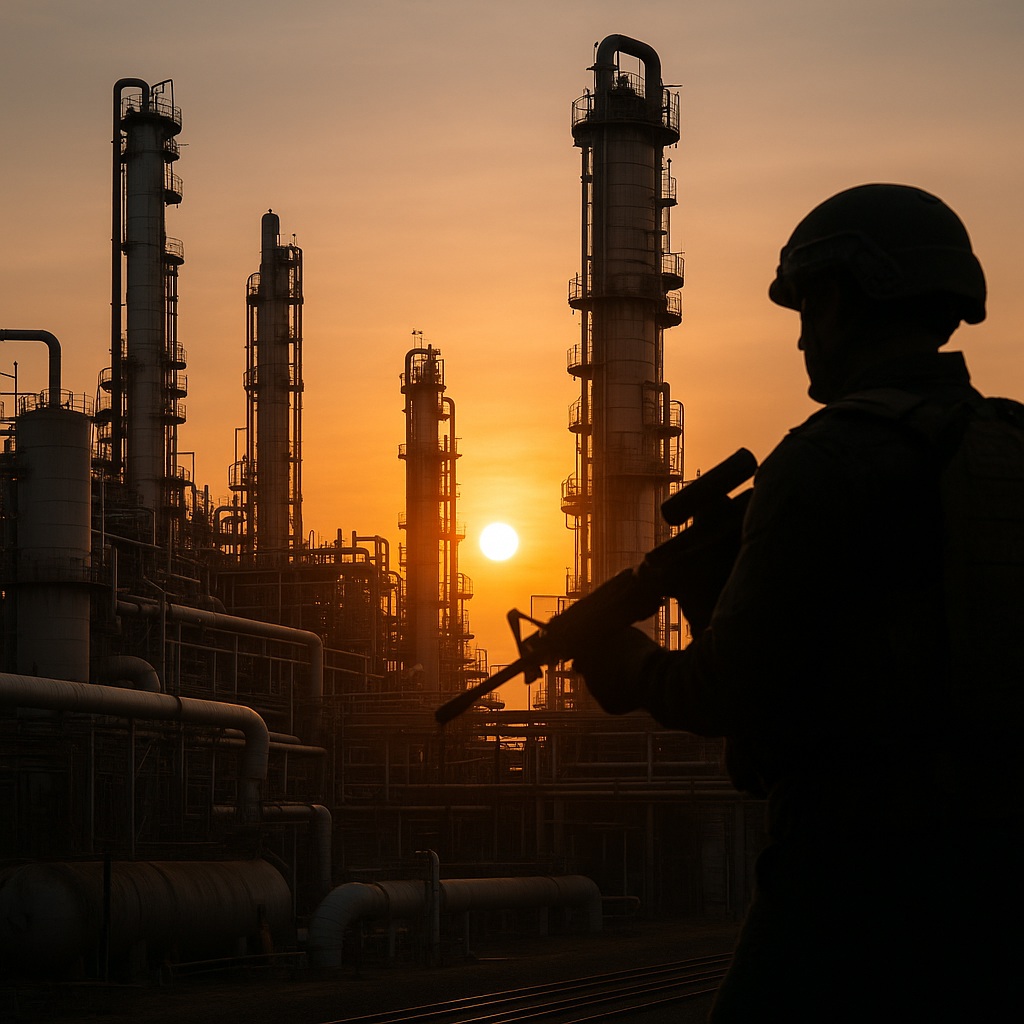
As Europe moves through a period of geopolitical tension and economic uncertainty, analysts across the continent argue that the region is entering a phase where security—both military and energy-related—has become the defining lens for economic policy. This shift is increasingly visible in national budgets, the strategies of major industries, and the political rhetoric shaping the European Union’s long-term agenda.
In recent years, European policymakers have grown more vocal about the need to strengthen resilience: from reducing dependence on external energy suppliers to expanding defence capabilities and securing critical supply chains. The result is a landscape in which long-term strategic investment is taking precedence over fiscal restraint, marking a clear departure from the austerity-driven approaches that dominated earlier decades.
Energy security remains at the core of this transformation. Governments have invested heavily in diversifying energy sources, accelerating renewable deployment, and reshaping grid infrastructure. The transition is no longer framed solely as a climate imperative but as a fundamental economic and security necessity. In many capitals, ministries that once focused narrowly on environmental goals now work closely with defence and foreign affairs departments to map out vulnerabilities. Industry executives note that this cross-sector coordination has become routine, reflecting a recognition that energy systems are now strategic assets as vital as telecommunications or defence hardware.
The shift is also driving renewed attention to industrial policy. Europe’s leaders increasingly discuss the need to protect strategic sectors—such as battery production, semiconductor manufacturing, and defence technology—through targeted investment and public-private partnerships. Analysts point out that this represents a return to a more interventionist model, where governments play an active role in shaping markets to reduce external dependencies and build domestic capacity.
Defence spending, too, is experiencing a sustained rise. While exact figures vary across member states, the broad trend is unmistakable: budgets are growing, procurement cycles are accelerating, and alliances are deepening. European defence companies have reported expanded order books, and joint EU military projects are gaining renewed momentum. Economists argue that, unlike previous spikes in defence investment tied to short-term crises, the current trend reflects a structural shift—one expected to endure for years.
This redirection of resources has sparked debate among economists and policymakers. Some warn that higher defence and energy spending could strain public finances or crowd out social programs. Others argue that if designed carefully, these investments could drive innovation, generate employment, and fortify Europe against future shocks. What is clear is that the conversation is no longer just about balancing budgets but about preparing for a world in which economic and security priorities are inseparable.
The business community is adapting as well. Energy-intensive industries, such as chemicals and manufacturing, are reassessing supply chains and modifying long-term investment strategies. Companies are increasingly prioritizing resilience over efficiency, even if it means higher costs in the short term. Financial institutions are integrating security-related risks into portfolio decisions, particularly those associated with infrastructure, cyber threats, and energy volatility.
Public opinion also appears to be shifting. Across many countries, citizens have expressed growing support for initiatives that strengthen national and European resilience. While debates remain—especially around environmental impact, land use, and fiscal responsibility—a broad consensus has emerged that the continent must be more self-reliant.
As winter approaches, European leaders emphasize that the adjustments now underway are not temporary. They see the coming years as a period of consolidation, during which Europe aims to build a more autonomous and secure economic model. Many expect that public investment in infrastructure—ranging from energy networks to digital systems and transportation corridors—will rise further as governments attempt to modernize the foundations of the continental economy.
Looking ahead, analysts predict that Europe’s economic trajectory will increasingly depend on its ability to balance climate commitments, security needs, and industrial competitiveness. In this emerging paradigm, success will not be measured solely by GDP growth or inflation control but by the stability of supply chains, the robustness of infrastructure, and the continent’s capacity to withstand geopolitical and economic shocks.
The shift is already influencing political debates, trade negotiations, and international partnerships. European diplomats are forging new energy agreements, strengthening defence coordination with allies, and pushing for regulatory frameworks that protect critical technologies. At the same time, domestic politics in many countries are being reshaped by discussions about national resilience, societal preparedness, and the balance between public investment and private responsibility.
Ultimately, Europe’s evolving approach to energy and security may define the continent’s economic identity for the next generation. What began as a response to external pressures has grown into a broader rethinking of economic strategy—one that places long-term stability and autonomy at its core.
As policymakers, businesses, and citizens navigate this landscape, one thing appears certain: the intersection of energy, defence, and economic planning will shape Europe’s destiny for years to come. What happens next will determine whether the continent emerges stronger, more unified, and better prepared for an increasingly turbulent world.



 The Tower Post