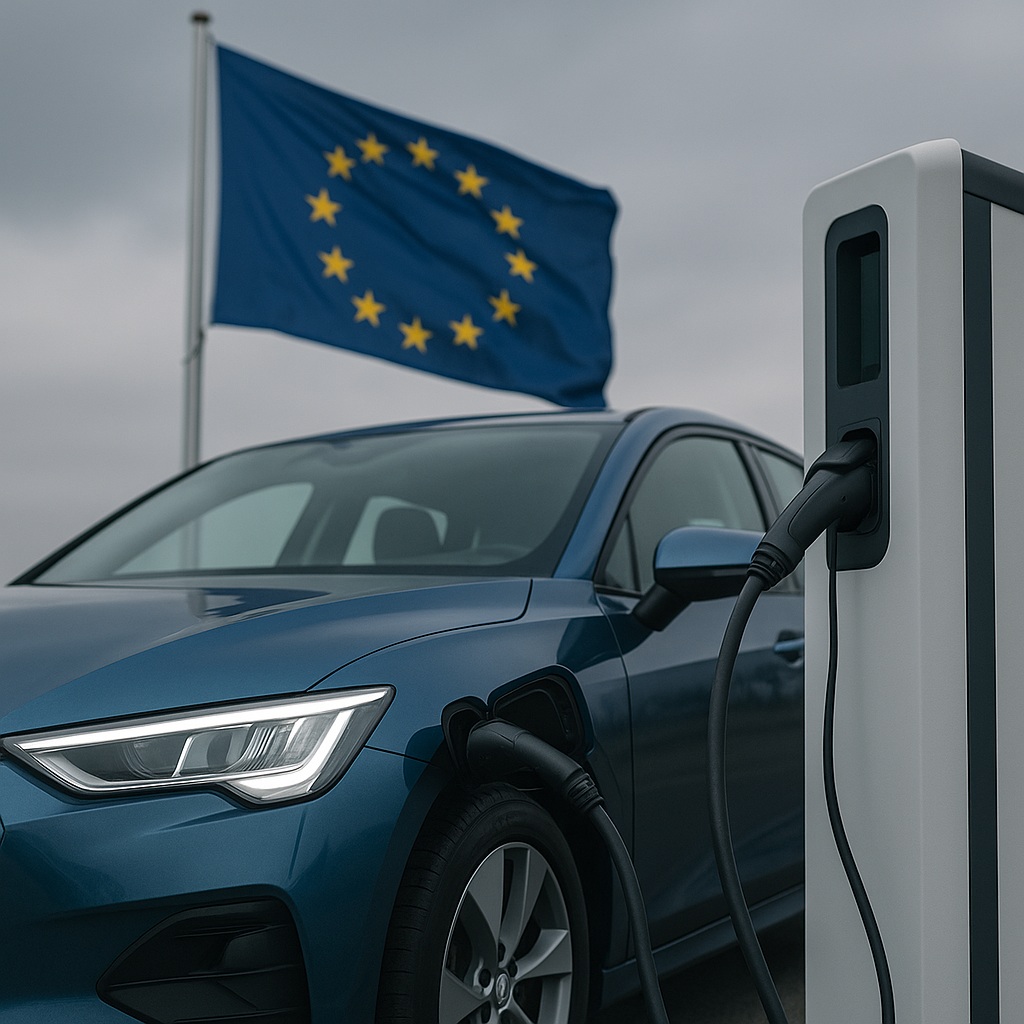
Pressure Mounts as Brussels Considers Delaying Key Support Package Ahead of 2035 Engine Phase-Out

As political pressure intensifies across the continent, the European Commission is weighing whether to delay the unveiling of its long‑anticipated support package for the auto industry. The move comes as automakers, led prominently by German manufacturers, escalate lobbying efforts over the EU’s plan to end combustion‑engine sales in the next decade.
In recent weeks, officials in Brussels have suggested that the package — originally expected to outline new incentives for battery production, charging networks, and supply‑chain resilience — may not be released as soon as planned. According to several people close to the discussions, the Commission is reassessing the timing amid concerns that releasing it now could heighten political tensions.
Germany’s auto industry, long a central pillar of the nation’s economy, is at the forefront of the lobbying push. Executives argue that manufacturers need clearer regulatory guarantees and a more predictable investment landscape as the shift to electric power accelerates. Their message to policymakers: the phase‑out is achievable, but only with firmer industrial backing and more flexible transition rules.
Industry groups say that although Europe has made significant progress in battery development and EV deployment, the sharp rise in global competition — particularly from Asian producers — is challenging domestic manufacturers. Many argue that the EU must broaden its industrial strategy to include more robust support for innovation, workforce retraining, and critical‑materials sourcing.
For now, Commission officials maintain publicly that the 2035 target remains intact. Yet behind closed doors, discussions are becoming increasingly fraught. Several national governments — including those with large auto‑sector workforces — have urged the Commission to consider “pragmatic adjustments,” citing economic uncertainty and uneven progress in charging infrastructure across member states.
Some policymakers believe that delaying the support package could give Brussels more time to assess market conditions and refine its proposals. Others fear that a delay may send the wrong signal, undermining investor confidence just as Europe seeks to solidify its technological footing in the electric‑vehicle era.
What remains clear is that the debate reflects a broader struggle within Europe: how to balance ambitious climate goals with the economic realities faced by one of its most influential industries. As one senior EU diplomat noted, the issue has evolved from a simple regulatory milestone into a defining question about Europe’s industrial future.
Whether the Commission will postpone the package — and by how long — remains uncertain. But with political pressures intensifying and the clock ticking on the combustion‑engine phase‑out, the coming weeks are expected to determine the trajectory of Europe’s automotive transition for years to come.



 The Tower Post