
As 2025 output forecasts slump, the Bundesverband der Deutschen Industrie warns the government risks losing a generation of growth — and jobs — if structural changes are delayed.
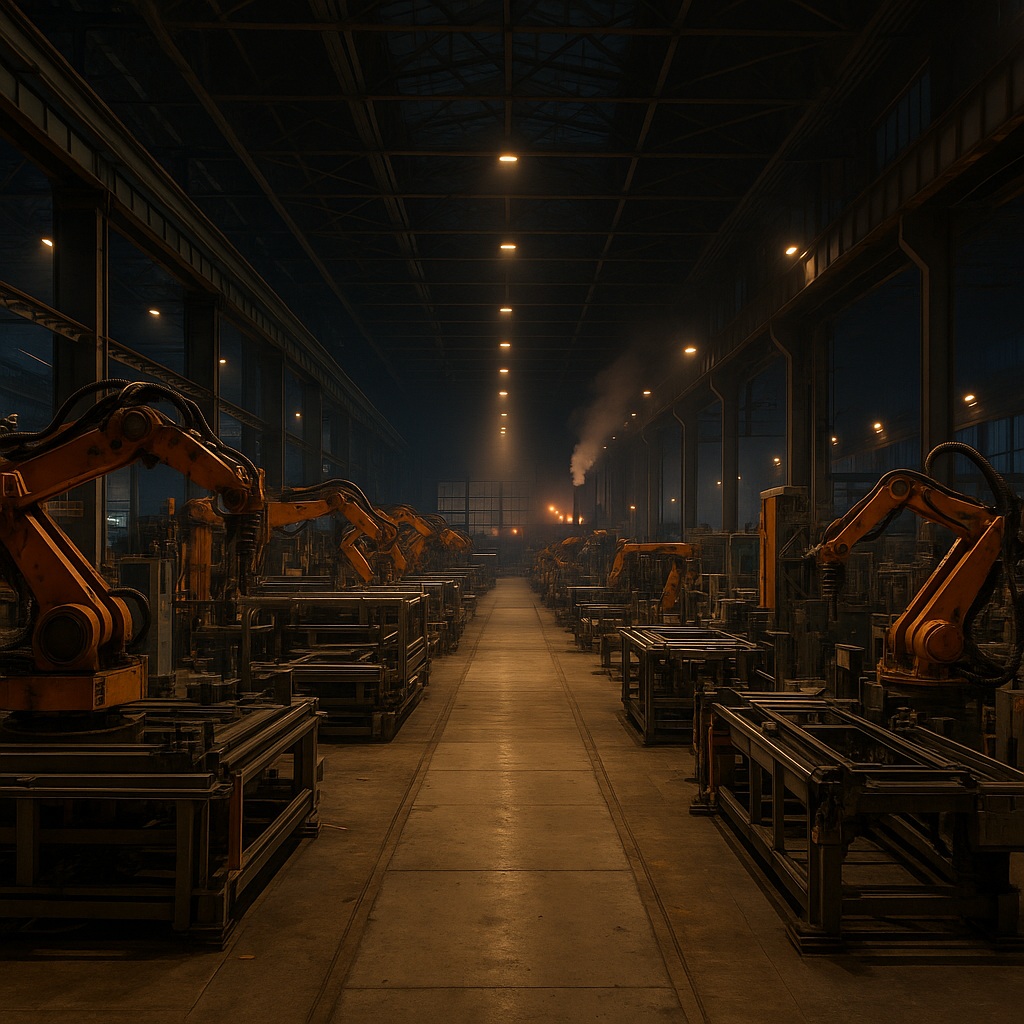
A Dire Warning from Germany’s Industrial Core
Berlin — The BDI, Germany’s most influential industrial and engineering umbrella group, has issued a stark warning: without bold reforms, the country’s industrial sector is in “free fall.” In its mid‑year assessment, the association sharply revised down its forecast for 2025 industrial output — from a previously projected drop of 0.5% to now a decline of 2.0%.
The downward revision underscores the urgent severity of the crisis facing Europe’s largest economy, which has now seen several consecutive years of declining industrial output.
“Every month without decisive structural reforms costs further jobs and prosperity,” the BDI argued, calling for immediate action.
Anatomy of the Slump: What Went Wrong
While external pressures — global demand slowdown, higher tariffs, and energy cost burdens — have played a role, data show the crisis runs deeper. Industrial production fell sharply, with the automotive sector particularly hard hit.
Although there was a modest rebound in September and a small decline recorded for the third quarter overall, the recovery was too weak to offset earlier losses.
Moreover, demand has failed to pick up consistently: mechanical engineering, metal production, and other core industries remain under pressure, and incoming orders have stagnated.
On a macro level, forecasts for 2025 economic growth remain bleak. While some projections suggest limited GDP expansion later in 2026, the immediate outlook warns of near stagnation and persistent headwinds.
BDI’s Demands: What Must Change
The BDI is calling on the government to act swiftly and decisively. The main demands are:
- Accelerated and targeted investment.
- Dramatic reduction of bureaucracy.
- Sustainable energy‑cost relief.
- Structural reforms beyond short-term stimulus.
The BDI argues that without such reforms, Germany risks further erosion of its industrial base, with long-term consequences for employment, innovation, and economic sovereignty.
What the Government Has Done — and Why It’s Not Enough
Earlier this year, the government introduced an ambitious fiscal plan including a major investment fund to support infrastructure and climate investment, and loosened certain spending rules.
Yet despite these measures, industry insiders say concrete results remain elusive. Many companies report that promised relief — especially around energy costs and red tape — has not materialised at scale; investment remains weak, and uncertainty over global demand persists.
The BDI warns that the current approach, while necessary, lacks the structural depth required to reverse a multi-year decline — and time is running out.
The Stakes: Jobs, Exports, and Germany’s Industrial Identity
Germany’s industrial sector remains the backbone of the national economy and global reputation for engineering excellence. The BDI represents dozens of industry associations and more than 100,000 companies employing millions of workers.
A prolonged slump threatens more than output figures: it risks job losses, weakened export performance, and — over time — a structural erosion of industries that have long defined Germany’s economic strength.
Experts warn this could amount to more than just a cyclical downturn — potentially a long-term shift in Germany’s economic trajectory.
Conclusion: A Crossroads for Germany’s Industry
As 2025 unfolds, the message from the BDI is clear: Germany is running out of time. Without structural reforms, accelerated investment, and a credible plan to make its industries competitive in a changing global landscape, the “free fall” could become permanent.
The decisions made in the coming months — by policymakers and business leaders alike — will determine whether Germany’s industrial heart revives … or fades.




 The Tower Post