First euro‑denominated draft sparks massive unrest — citizens decry tax hikes, corruption, and economic uncertainty ahead of euro adoption
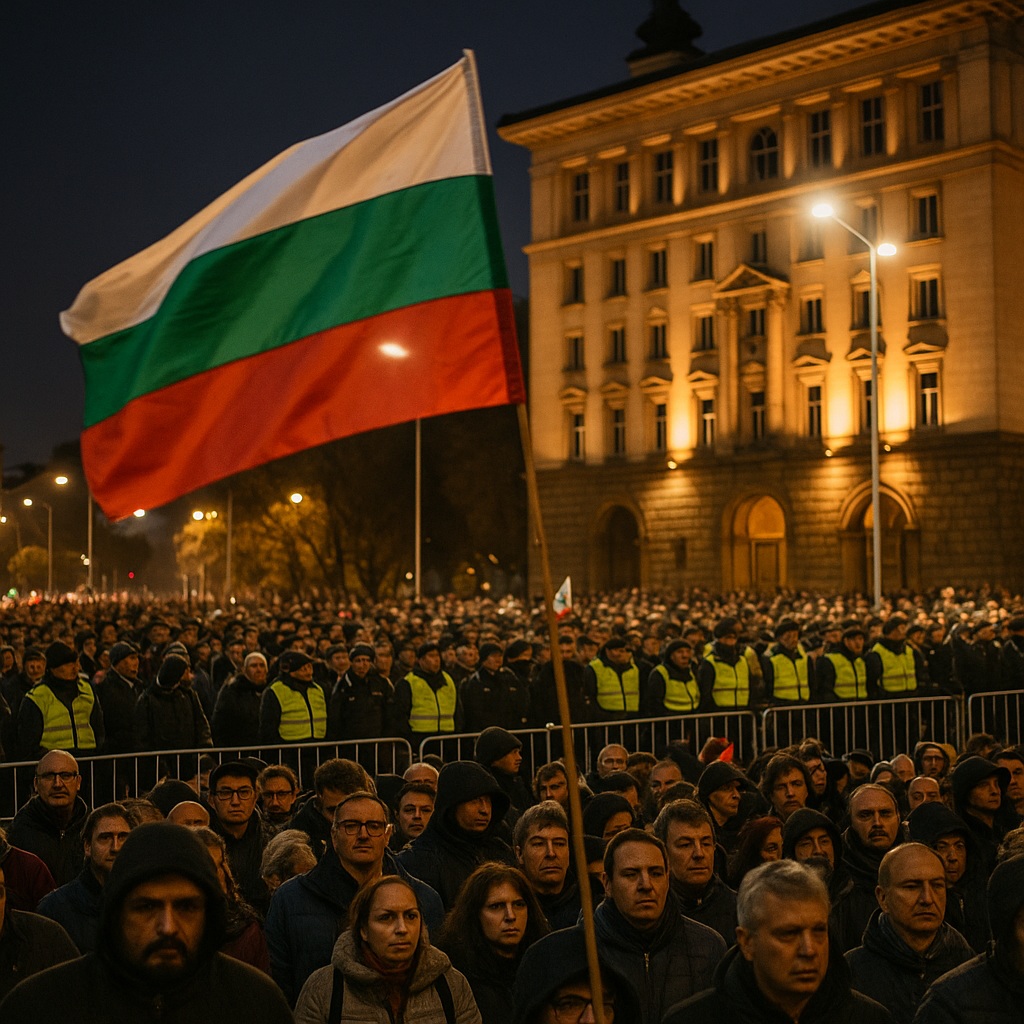
Growing unrest has swept across Bulgaria as the government withdrew its draft budget for the coming year after widespread protests erupted across major cities, with citizens expressing deep frustration over proposed tax increases and fears that euro-era reforms would worsen already mounting economic pressures.
Thousands of demonstrators converged in Sofia and other urban centers in an unusually unified movement that drew workers, pensioners, students, and small business owners, all voicing concerns that the budget would erode living standards and expand the divide between political leaders and ordinary families.
The 2026 budget, drafted in euros for the first time as part of Bulgaria’s transition toward joining the eurozone, became a focal point of discontent as critics argued that higher social security contributions and increased taxes on dividend income would burden households already grappling with stagnant wages and rising costs.
Government leaders initially defended the draft as a necessary cornerstone of fiscal stability ahead of euro adoption, but as protests intensified and political pressure mounted, officials requested that parliament withdraw the proposal and initiate a more inclusive redrafting process involving opposition parties, unions, and civil society representatives.
Despite the government’s retreat, many Bulgarians remain uneasy, fearing that eurozone entry could accelerate price increases and deepen socioeconomic inequalities, particularly if fiscal reforms are implemented without clear communication, transparency, or measures to protect vulnerable groups.
Political analysts warn that the withdrawal may embolden opposition forces and fuel demands for early elections, adding further volatility to a political landscape already strained by repeated cycles of instability and heightened scrutiny from international partners.
As policymakers attempt to rebuild public trust, the crisis underscores the fragility of Bulgaria’s economic transition and the urgent need for governance that prioritizes accountability, public engagement, and realistic planning during a period of significant national transformation.
For many citizens, the unrest represents not only rejection of a single budget proposal but also a broader call for responsible leadership and meaningful dialogue about the country’s economic future as it approaches a defining milestone in its integration with Europe.



 The Tower Post