
As U.S. envoy Steve Witkoff pushes a revamped peace plan in Moscow, European officials warn of a “bad deal” — one seen as too lenient on Russia and potentially threatening the future of European security.
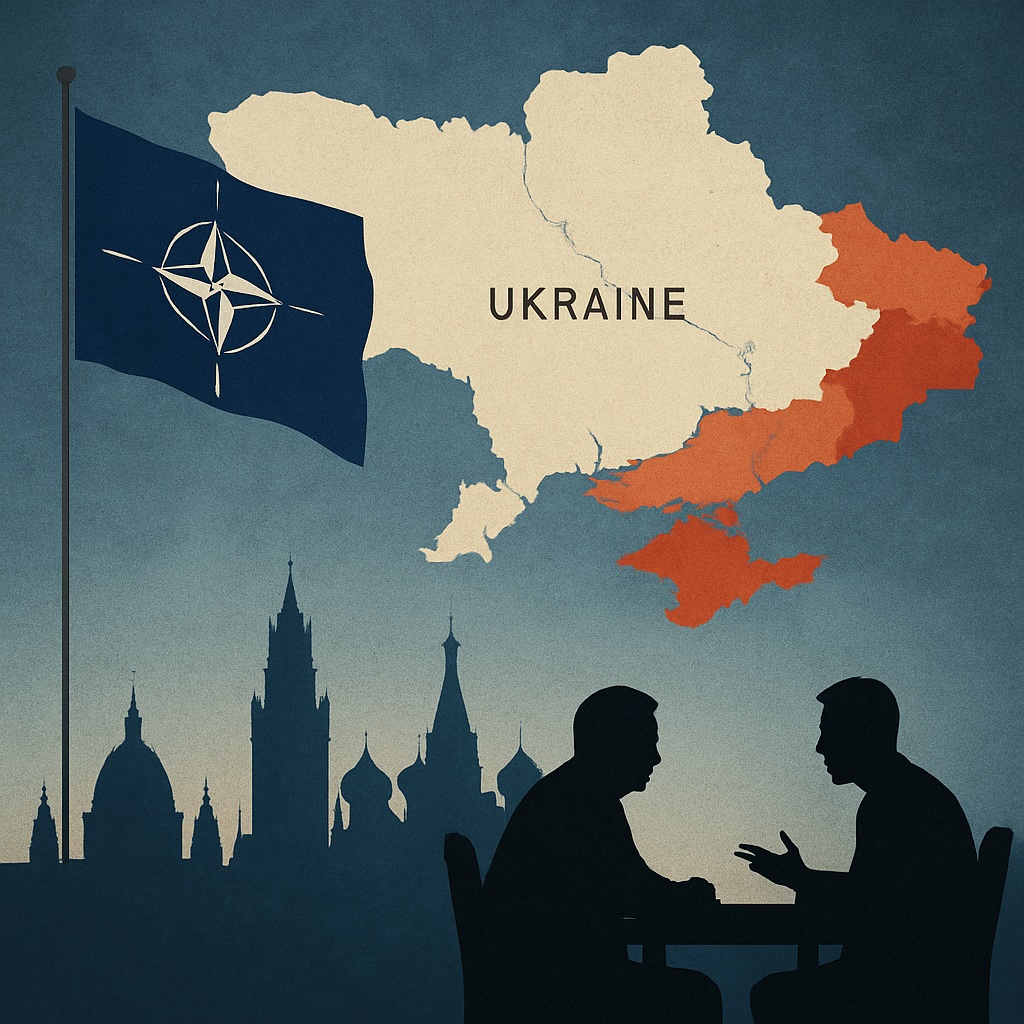
Western fear surrounding the latest U.S.-backed push for peace in Ukraine has intensified, as European officials warn that Washington’s current approach could inadvertently weaken both Ukraine’s sovereignty and long-term continental security. The concerns center on a rapidly evolving plan led by U.S. special envoy Steve Witkoff, whose shuttle diplomacy between Washington, Kyiv, and Moscow has raised alarms throughout European capitals.
The new peace framework, still fluid, has been described by several European diplomats as dangerously accommodating to Kremlin interests. Many fear it risks cementing territorial losses for Ukraine while setting precedents that could destabilize Europe well beyond the end of the current conflict. Diplomats insist that while ending the war is a shared priority, the terms under which peace is achieved will shape Europe’s security architecture for years to come.
At the heart of the controversy is the belief that the U.S. might be prioritizing a swift settlement over a just one — a move European officials argue could undermine both the credibility of Western deterrence and the sovereignty of smaller states facing threats from larger powers. Witkoff’s recent talks in Moscow have heightened these anxieties, as reports suggest the U.S. is exploring concessions that many in Europe consider unacceptable.
One early draft of the deal reportedly included provisions that would limit Ukraine’s military development and potentially formalize Russia’s control over contested territories. Although recent revisions removed some of the most contentious elements, European leaders worry that the momentum of negotiations still leans toward a compromise that disproportionately benefits Russia. “No peace achieved by pressuring Ukraine into concessions can be stable,” one senior EU diplomat warned.
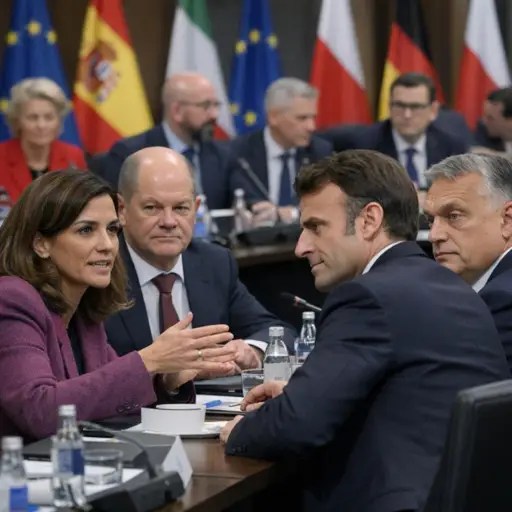
European capitals appear united in the view that any settlement must involve Europe directly — not as an afterthought to U.S.-Russia negotiations. Many fear Washington could sidestep European input in favor of rapid progress, leaving NATO members to manage long-term instability created by a flawed agreement. Several officials have also expressed concerns that a weakened Ukraine would embolden Moscow, encouraging future attempts to reshape European borders by force.
Another major concern centers on the future of NATO. If Kyiv is barred from alliance membership as part of a deal — a proposal rumored to have been discussed in early U.S.-Russia talks — European officials fear it would not only leave Ukraine permanently vulnerable but also undermine the alliance’s principle of open membership. Such an outcome could fracture the unity that has defined Western support since the war began.
Despite Europe’s objections, Washington appears motivated by a desire to halt a conflict that has drained military stockpiles, strained U.S. resources, and commanded global attention for years. But European leaders argue that the cost of a poor agreement now could be far greater than the ongoing expense of supporting Ukraine. They warn that a rushed deal could merely freeze the conflict, buying Russia time to rebuild and reposition — a scenario that played out after previous ceasefires.
Still, European officials remain hopeful that their concerns will shape the next phase of negotiations. Several leaders have called for intensified coordination between Washington, Brussels, and Kyiv before any proposal is finalized. They stress that only a durable agreement — one that upholds Ukrainian sovereignty, ensures accountability for aggression, and strengthens rather than weakens Europe’s security architecture — can bring lasting peace.
For now, the future of the U.S.-backed peace effort remains uncertain. What is clear, however, is that Europe is determined to prevent a settlement that could jeopardize its stability. As negotiations continue behind closed doors, the question remains whether Washington will align with Europe’s long-term strategic vision — or pursue a quicker, riskier path in search of short-term calm.



 The Tower Post