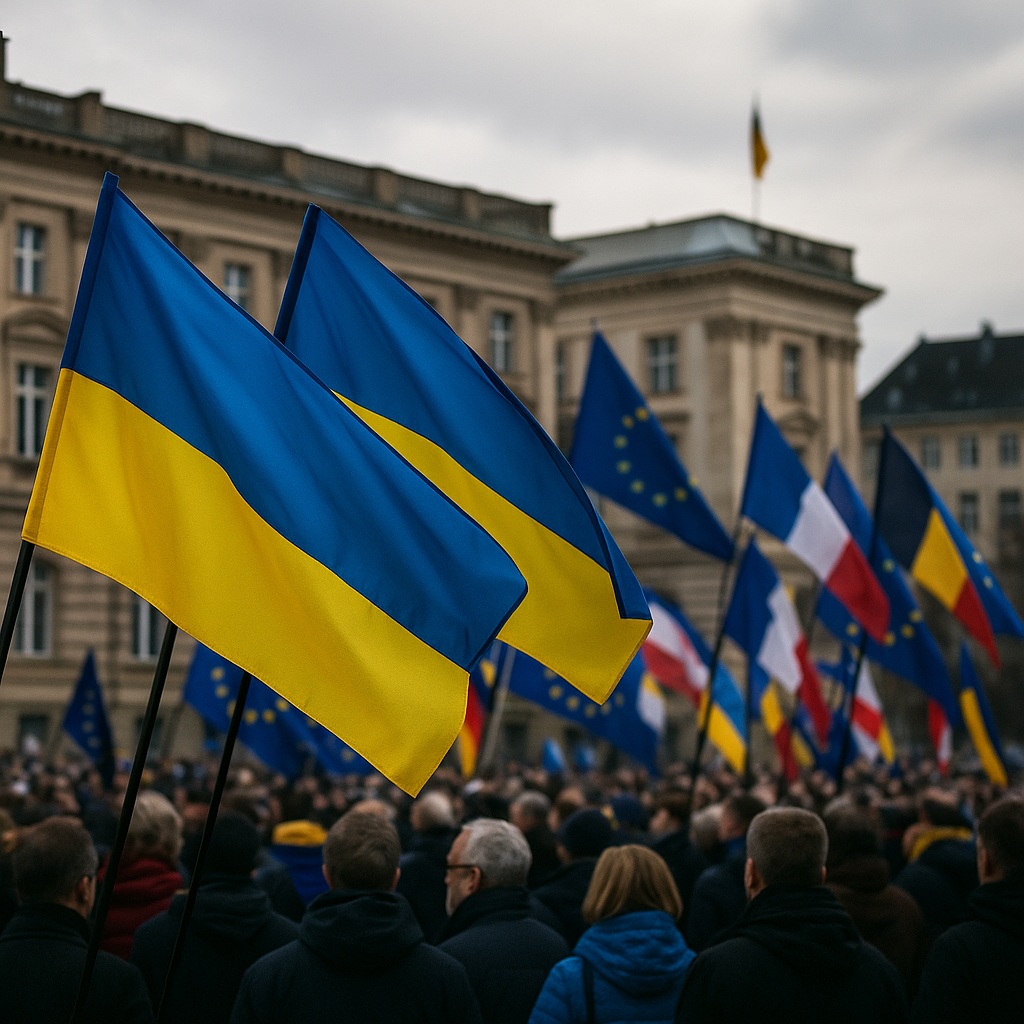
Amid renewed tensions, European capitals project unity on military aid, sanctions, and diplomatic pressure — even as internal debates simmer beneath the surface.
As political tensions rise across the continent, multiple European capitals have moved to reaffirm their support for Ukraine, signaling a coordinated political front that blends military commitments, economic sanctions, and diplomatic pressure. Leaders in Berlin, Paris, Warsaw, Rome, and other capitals have stepped forward with statements emphasizing that European backing for Kyiv remains unwavering, even as new waves of political debate continue to shape domestic landscapes.
In Berlin, senior officials reiterated that European security is “inseparable from Ukraine’s survival.” Germany’s coalition government has faced internal disagreements — notably on the scale and pace of weapons deliveries — yet the country continues to provide advanced air‑defense systems and logistical support. Government insiders say the objective is not only to maintain deterrence but also to prevent any perception of hesitation as strategic pressures mount.
Paris, meanwhile, has sharpened its diplomatic messaging. French officials stressed that sanctions coordination is entering a new phase, one focused on bolstering enforcement and closing remaining loopholes. Though members of parliament have debated the burden of continued restrictions on domestic industries, the government maintains that the political and moral costs of retreat would be far greater.
Poland has likewise renewed its commitment, despite a climate of polarized internal politics. Successive governments have disagreed on issues including agricultural policy and EU budget frameworks, yet remain aligned on Ukraine. Polish officials emphasize that ongoing military supplies — from artillery platforms to training programs — are viewed as essential investments in regional security.
Southern European states have echoed this sentiment. Rome’s latest messaging highlights a dual track of humanitarian support and defense collaboration, underscoring Italy’s intention to remain a “reliable pillar” of European consensus. While debates over energy markets and fiscal constraints remain active, officials insist that backing Kyiv is now a strategic constant, irrespective of party divides.
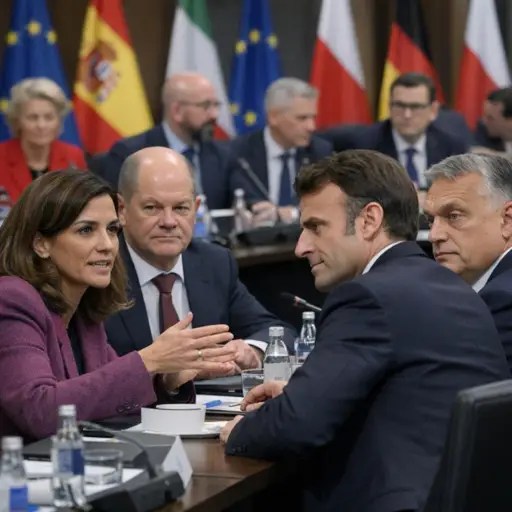
Diplomatically, Brussels has intensified its coordination efforts, urging member states to maintain a cohesive stance in international forums. EU officials say the focus is shifting from maintaining sanctions to modernizing them — targeting sectors once considered too sensitive for unified action. A renewed communications campaign aims to counter foreign narratives attempting to depict Europe as divided.
Despite persistent domestic disagreements across capitals — some tied to inflation, others to electoral pressures — leaders appear determined to project unity. Analysts suggest this cohesion is not merely symbolic; it is a calculated response to the risk that any visible fractures could invite destabilizing actions at a critical moment for European security.
Across the continent, the emerging message is clear: Europe views support for Ukraine not simply as a foreign‑policy choice but as a defining test of its political resolve, strategic identity, and collective security architecture.



 The Tower Post