Eurostat’s latest figures show stubborn price pressures in services, reshaping policymakers’ outlook
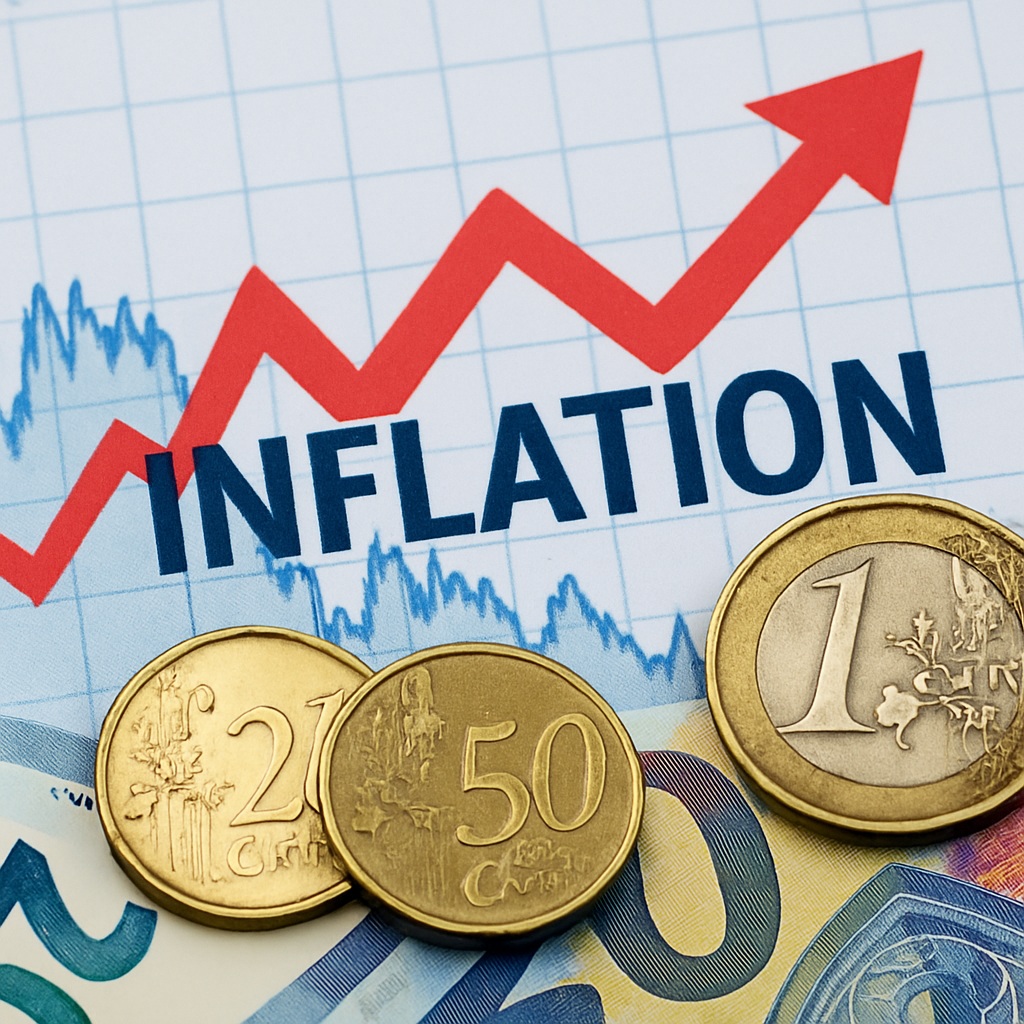
In early November, the euro-zone found itself grappling once again with the complexities of inflation dynamics, as fresh data from Eurostat revealed a slight but symbolically important uptick in consumer prices. The headline rate rose to 2.2% in November, up from 2.1% the previous month. While the increase may seem modest, the underlying forces behind it speak to a broader debate taking place among policymakers, economists, and financial markets: the continued resilience of the services sector and what it means for the region’s path forward.
For months, the euro area has benefited from softer energy costs. Oil and gas prices, while still subject to periodic volatility, have largely retreated from the extremes seen in previous years. This easing has helped shield households and businesses from more severe cost pressures, relieving some of the strain on consumer budgets. Yet, despite this welcome development, inflation has refused to fall in tandem as service-related costs continue to exert upward pressure.
Services—ranging from hospitality and travel to healthcare and professional activities—have been at the core of Europe’s inflation story throughout the past year. These sectors are labor-intensive, meaning wage growth plays a central role in pricing decisions. And wages across the continent have been rising at a steady pace as workers seek compensation for past inflation and firms compete to retain talent. This wage momentum has made services particularly resistant to rapid disinflation.
For policymakers at the European Central Bank, the persistence of services inflation presents a strategic challenge. The Governing Council has spent much of the year weighing the need to maintain credibility in its fight against inflation while avoiding excessive tightening that could dampen economic recovery. The latest inflation figures arrive at a delicate moment, as the ECB must consider how to interpret this slight increase: as a temporary fluctuation or as evidence of a more entrenched trend.
In recent policy discussions, several ECB officials have pointed to the importance of monitoring wage developments closely. While headline inflation has moved significantly closer to the institution’s target, the services component remains above comfort levels. The ongoing strength of consumer demand for services, coupled with the lingering effects of cost adjustments, suggests that this area of the economy may not cool as quickly as other sectors. Some analysts argue that the service sector’s resilience might be an indicator of longer-term transformations, including changes in labor markets and shifts in household spending patterns.
Meanwhile, the euro-zone economy faces a mixed outlook. Manufacturing activity has shown signs of stabilization after a prolonged slump, while consumer sentiment remains uneven across member states. Some countries have reported more robust retail performance, supported by steady employment levels, whereas others have experienced softer domestic demand due to higher borrowing costs and lingering economic uncertainty. This patchwork of conditions complicates any broad regional assessment.
The slight uptick in inflation, therefore, is not merely a numerical adjustment but a reflection of ongoing structural tension. Some economists warn that even small shifts can influence expectations—an essential element in inflation psychology. If businesses begin to anticipate sustained cost pressures, they may adopt more aggressive pricing strategies, further pushing inflation above desired levels. Conversely, if households expect higher prices to persist, they may adjust their spending behavior in ways that restrict economic momentum.
Energy markets, while calmer, continue to introduce an element of unpredictability. Though recent declines have helped temper headline inflation, market analysts note that geopolitical risks and supply constraints could trigger future fluctuations. For now, however, the downward pull from energy has not been strong enough to offset the upward push from services.
Financial markets reacted cautiously to the new data. Bond yields across the region experienced minor adjustments, as investors reassessed their expectations for the ECB’s next moves. Some market participants believe the central bank may maintain its current stance for longer than previously anticipated, particularly if wage-driven pressures in the services sector persist. Others argue that broader economic softness could still push policymakers toward more accommodative measures in the months ahead.
As the euro-zone moves deeper into the final stretch of the year, the latest inflation report serves as a reminder that the path toward price stability is rarely linear. Despite progress on several fronts, the region remains caught between cooling forces and stubborn price pressures that resist rapid adjustment. The coming weeks will likely see intensified debate among policymakers and analysts as they seek to understand whether the November rise is merely a statistical blip or an early sign of renewed inflationary momentum.
What is clear, however, is that the services sector has emerged as the defining variable in Europe’s inflation landscape. Its influence extends beyond headline figures, shaping expectations, policy responses, and economic narratives. With energy costs offering temporary relief but not decisive control, the euro-zone’s ability to achieve lasting price stability may depend more heavily than ever on the evolution of wages, productivity, and structural dynamics within this vital part of the economy.
As households and businesses navigate an environment marked by cautious optimism and lingering uncertainty, Eurostat’s latest report underscores a fundamental truth: the battle against inflation now rests not on external shocks but on the internal mechanics of the European economy itself. If November’s figures are any indication, that battle is far from over.



 The Tower Post