European Leaders Challenge Putin’s ‘Peace’ Overtures as Kremlin Talks Raise Alarm
As the autumn winds settle over Europe, the political atmosphere remains anything but calm. In the wake of Kremlin-hosted discussions that Moscow billed as a fresh opening for diplomacy, European officials — including senior figures from the U.K. and Ukraine — are openly dismissing the gestures as a calculated façade. Far from signaling a shift toward peace, analysts and diplomats argue that the Kremlin’s recent behavior underscores an unwavering commitment to aggression, despite public claims of restraint.
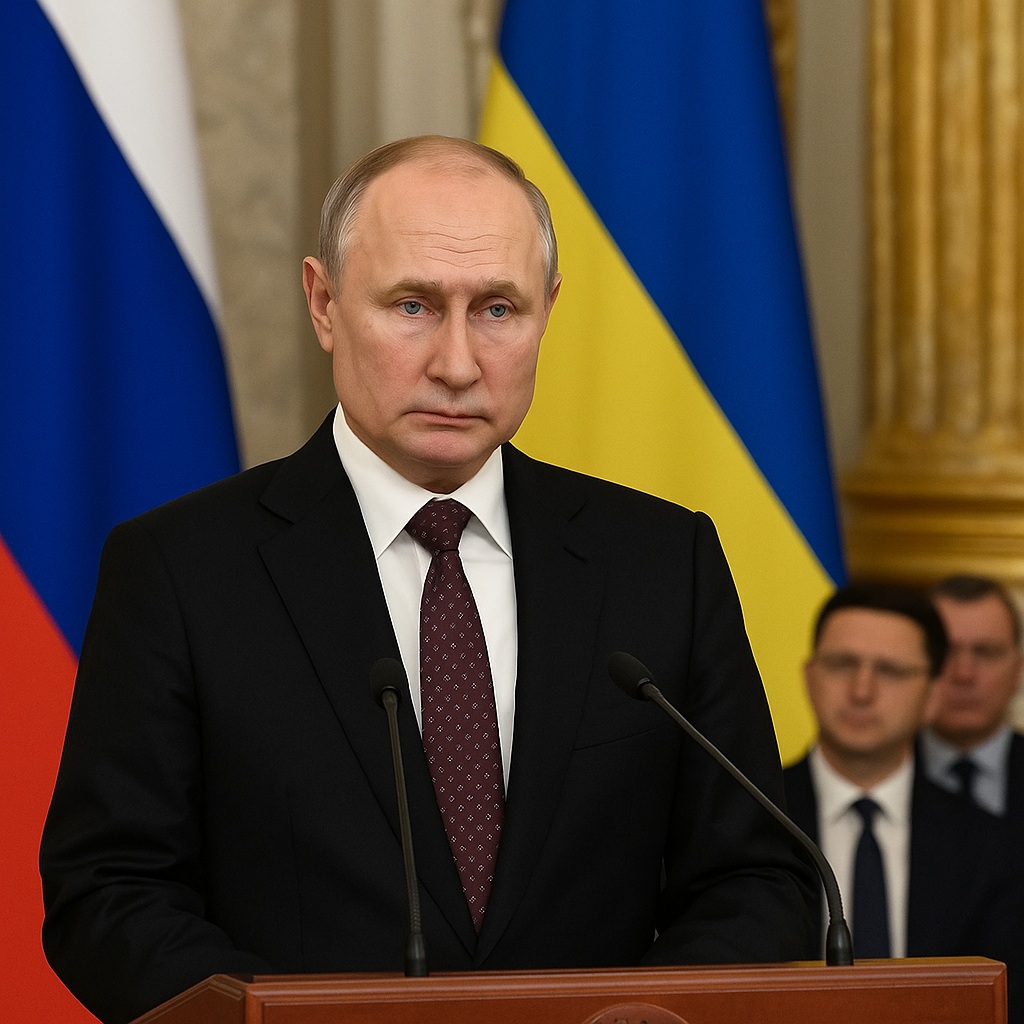
During the Kremlin’s carefully choreographed sessions, Russian President Vladimir Putin projected the image of a leader ready to engage in dialogue. Yet European officials say the signals tell a different story. British diplomats describe the talks as “performative,” insisting that Moscow’s charm offensive is aimed at buying time and reshaping narratives rather than de‑escalating conflict. Ukrainian representatives, for their part, warn that these overtures are designed to split Western unity and portray Kyiv as the obstacle to peace.
Behind closed doors, according to officials familiar with intelligence shared across European capitals, Russia continues to reposition military assets and reinforce occupied territories. These movements, officials say, undermine any credibility behind Putin’s claims of seeking a diplomatic breakthrough. Instead, they argue, the Kremlin’s strategy appears focused on exhausting Ukraine and testing the resilience of European support.
Publicly, Ukrainian officials remain unequivocal. They accuse Moscow of rewriting the very conditions it previously insisted upon — a move they interpret as a sign that the Kremlin’s objective is not negotiation, but domination. Kyiv’s leadership has emphasized that any legitimate peace framework must begin with a full restoration of sovereignty and territorial integrity. Anything less, they argue, rewards aggression and endangers Europe’s broader security landscape.
British authorities echo this view, warning European allies not to let fatigue or political turbulence create openings for Moscow’s influence operations. Senior U.K. officials have cautioned that the Kremlin’s diplomatic theater is meant to sway public opinion, particularly as domestic pressures rise across Europe. The narrative of a reasonable Russia and an uncompromising Ukraine, they argue, is crafted for international audiences who may be unfamiliar with the realities on the ground.
Diplomats across the continent also highlight the timing: the Kremlin’s overture comes at a moment when global attention is divided, and several Western governments are navigating internal political transitions. Analysts say this environment presents fertile ground for Moscow to push for concessions disguised as peace initiatives. The choreography of the talks — complete with symbolic gestures and controlled media access — appears engineered to amplify that impression.
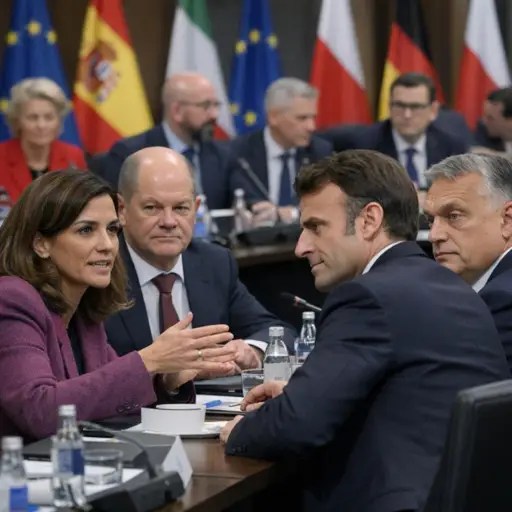
Nonetheless, European officials insist that unity remains intact. In high-level briefings, they emphasize that any negotiations must be grounded in genuine commitment and verifiable actions from Moscow. For now, they see neither. Instead, they describe a pattern of mixed messaging and contradictory steps: diplomatic invitations from the Kremlin paired with continued military entrenchment.
In major European capitals, the mood is one of vigilance. Policymakers fear that accepting Moscow’s framing would not only undermine Ukraine’s position but also set a precedent for future conflicts. For them, the stakes extend far beyond a single war. They see in the Kremlin’s maneuvering a broader test of Europe’s resolve — one that requires consistency, clarity, and the resilience to confront a narrative designed to obscure more than it reveals.
As winter approaches, the prospects for genuine diplomacy remain uncertain. What European officials agree on, however, is that words alone cannot constitute peace. And until actions match rhetoric, skepticism toward the Kremlin’s overtures will continue to define the continent’s stance.



 The Tower Post