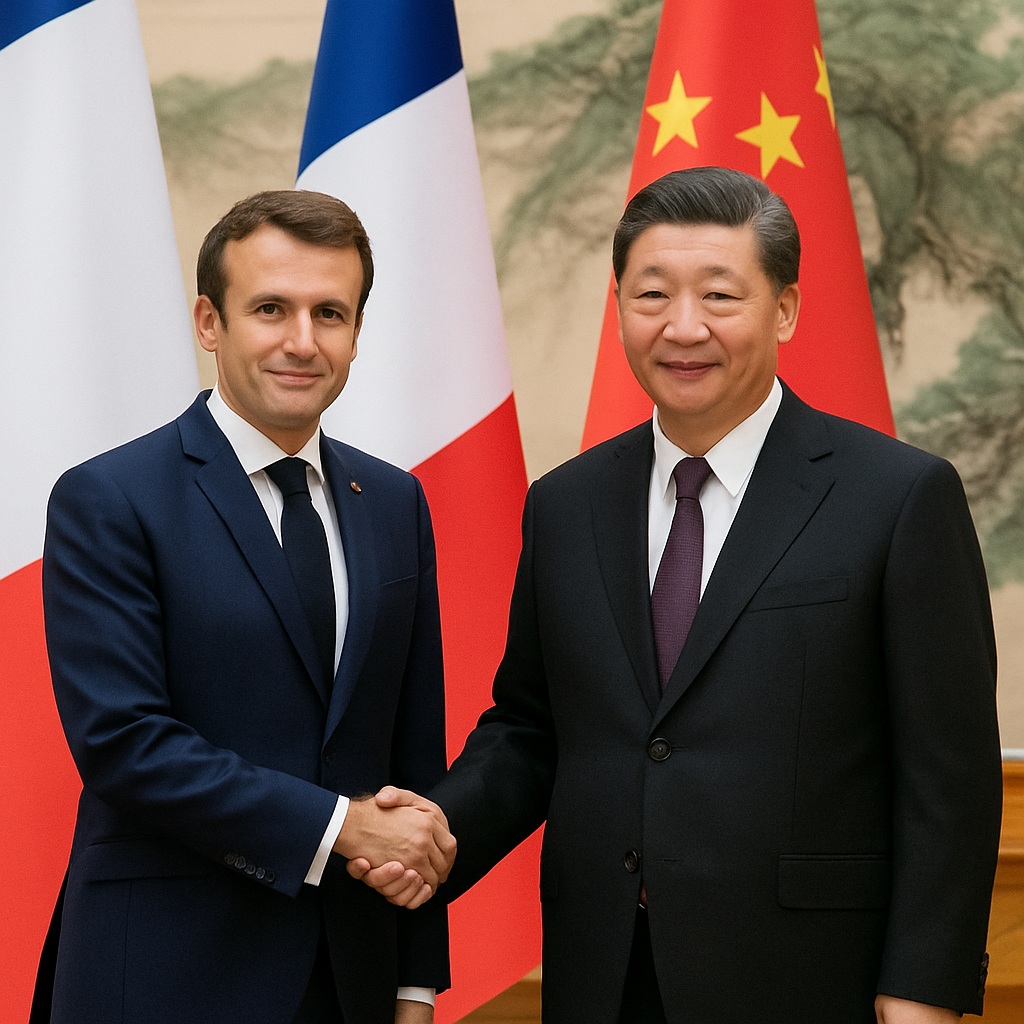
A high-stakes state visit in Beijing underscores shared ambitions on global challenges, from trade and climate to security and emerging technologies.
In a moment of heightened geopolitical tension and economic uncertainty, French President Emmanuel Macron’s state visit to Beijing this week marked a decisive step toward recalibrating relations between France and China. His meeting with President Xi Jinping unfolded against a backdrop of shifting global alliances and renewed competition, yet both leaders emphasized collaboration as an antidote to fragmentation.
During extended bilateral discussions inside the Great Hall of the People, Macron and Xi put forward a joint vision centered on stability, strategic dialogue, and shared responsibility in addressing global crises. The visit yielded a series of agreements spanning aerospace, green technology, nuclear energy, and artificial intelligence—sectors viewed as pivotal to both nations’ economic futures and to broader global governance.
French diplomats accompanying the president highlighted that the renewed cooperation aims not only at strengthening trade but also at shaping standards in emerging technologies. Officials noted that Paris sees an opportunity to carve out a leadership role in climate diplomacy and sustainable economic development by working with Beijing, even as political differences remain.
For China, the deepening partnership with France provides an avenue to bolster confidence among European partners at a time when Beijing seeks to stabilize foreign investment and counter perceptions of economic slowdown. Xi reaffirmed China’s commitment to maintaining open channels with Europe, stressing that constructive engagement is essential in preventing global “splintering” into rival blocs.
The leaders also touched on sensitive international security issues, reaffirming support for multilateral dialogue and emphasizing the importance of de-escalation in regions marked by ongoing conflict. While neither government released detailed language on security guarantees, analysts observed that both sides appear eager to project a unified message of diplomatic restraint and international cooperation.
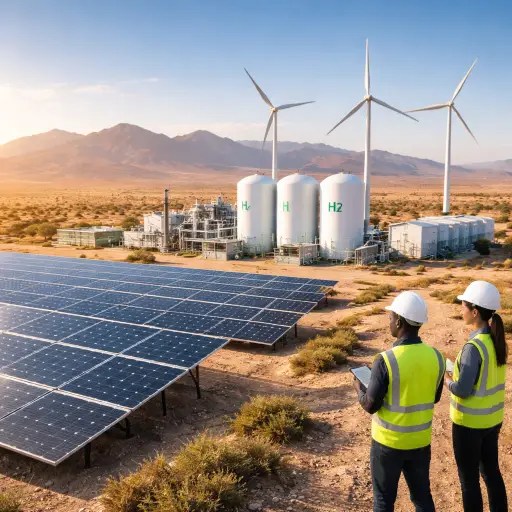
Trade featured prominently throughout the visit. French aerospace firms signed new partnership arrangements linked to research, manufacturing, and supply chain integration within China’s rapidly evolving aviation sector. In the realm of green technology, the two governments endorsed expanded collaboration on hydrogen development, battery innovation, and large-scale carbon reduction projects. These initiatives were framed as essential to accelerating global climate goals.
Nuclear energy—long a cornerstone of France’s technical expertise—was also elevated in the discussions. Both presidents emphasized the role of nuclear power in achieving long-term energy security, and their new agreements highlight opportunities for shared research on next-generation reactors and safety systems.
Artificial intelligence emerged as another key arena for cooperation. Macron and Xi agreed to establish additional channels between regulators, industrial leaders, and researchers, with the aim of preventing misuse of advanced systems while fostering innovation. Observers noted that China’s role in global AI governance is an increasingly contested issue, making France’s engagement an important diplomatic signal.
In Paris, the visit is being interpreted as part of Macron’s wider strategy to balance relations with major powers while asserting European strategic autonomy. Commentators emphasized that closer alignment with Beijing does not diminish France’s commitments to its democratic partners but rather allows it to pursue pragmatic cooperation where interests overlap.
As the two leaders concluded their meetings, they presented the agreements as a roadmap rather than a final destination—an evolving framework built on continued dialogue. Despite lingering differences over trade practices, human rights, and security, the tone of the visit suggested renewed willingness from both governments to manage tensions through engagement rather than confrontation.
For France and China alike, the stakes are considerable. Their ability to translate these new commitments into sustainable progress may shape not only bilateral relations but also broader global responses to climate imperatives, technological governance, and international stability. As global fault lines deepen, the Beijing visit stands as a reminder that diplomacy remains a critical tool—and that cooperation, even among unlikely partners, can help steer the world toward a more stable future.


 The Tower Post