
Public anxiety over security, energy, and inflation sharpens calls for a more assertive European posture as leaders weigh the future of Readiness 2030.
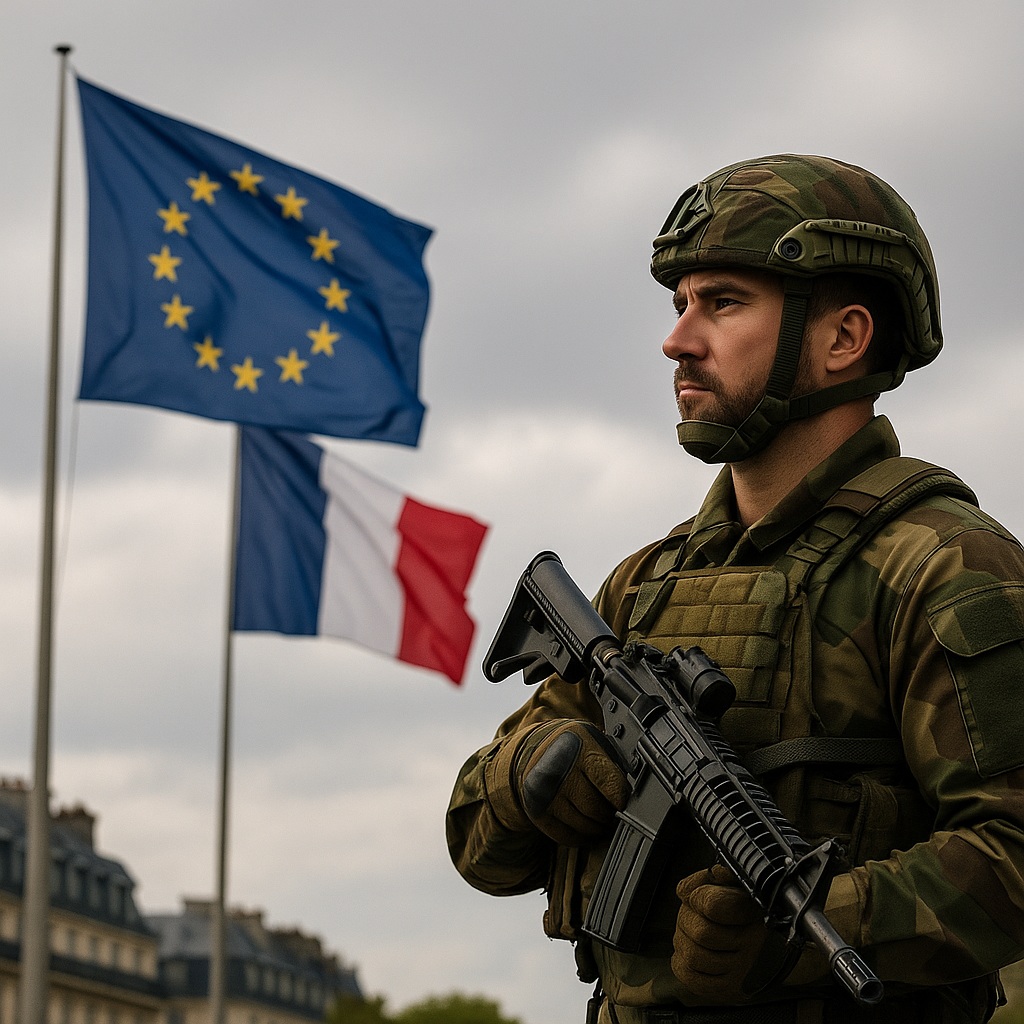
As winter settles across the continent, Europe finds itself gripped by an unease that transcends national borders. What began as a debate about military modernization has, over months of geopolitical strain, evolved into a broader conversation about Europe’s role in defending itself. Against the backdrop of prolonged conflict on its eastern flank, volatile energy markets, and stubbornly high inflation, Europeans are increasingly demanding that their governments raise the continent’s defensive shield — and quickly.
The shift is not subtle. Opinion surveys across major member states indicate a steady rise in public support for strengthening the European Union’s defense posture. While enthusiasm for deeper EU integration has historically ebbed and flowed, the current swell appears to be driven less by ideological alignment and more by a visceral sense of vulnerability. Citizens are looking to Brussels and national capitals for reassurance, and policymakers are responding with proposals that would have seemed politically unthinkable just a few years ago.
Among these initiatives, Readiness 2030 has emerged as the emblematic project. The framework, debated intensely behind closed doors and in public forums alike, aims to coordinate defense spending, modernize Europe’s industrial base, and improve military interoperability across the Union. Though still evolving, the blueprint signals a major collective pivot: a Europe intent on matching its economic weight with credible security capabilities.
Driving this shift is a cascade of concerns that have accumulated over successive crises. The continuing war on Europe’s doorstep has refocused attention on the continent’s longstanding dependence on external security guarantees. At the same time, the global energy landscape — once predictable, if imperfect — has turned brittle. Households and industries alike have weathered recurring shocks, from supply disruptions to price spikes that reverberate through national budgets. Compounding the pressure is an inflationary environment that, despite recent stabilization efforts, remains persistent enough to undermine public confidence.
These overlapping anxieties have reshaped political dynamics in member states. Traditional divisions between hawks and pragmatists are blurring as leaders across the political spectrum find themselves compelled to address national security with unusual urgency. Even in countries historically cautious about military engagement, calls for ramped-up defense production and closer coordination with European allies have become more pronounced.
Yet the burgeoning consensus masks deeper questions. What exactly should a stronger EU defense posture look like? To what extent should it complement — or challenge — existing security frameworks? And how can governments balance ambitious military commitments with the competing demands of struggling economies and social welfare systems?
Analysts warn that the push for rearmament will test both political resolve and public patience. Significant investment in defense manufacturing, training, and infrastructure is required, and Europe’s industrial supply chains are not uniformly prepared for rapid expansion. Moreover, leaders must navigate sensitivities around national sovereignty and differing strategic cultures. While some governments welcome a more integrated defense architecture, others remain cautious, fearing that too much centralization could dilute national control.
Despite these hurdles, momentum continues to build. As policymakers refine the contours of Readiness 2030, they do so with broad public backing — a notable reversal from the skepticism that once greeted EU-level defense discussions. Public debates now focus less on whether Europe should strengthen its defenses and more on how quickly it can be achieved.
For many Europeans, the urgency is not abstract. Families coping with energy uncertainty, rising living costs, and the unsettling drumbeat of geopolitical tensions feel an immediate stake in the continent’s stability. This climate has elevated defense from a niche policy arena to a household concern, intertwined with questions of economic security and national resilience.
As the year draws toward its end, Europe stands at an inflection point. The decisions made now — in parliaments, ministries, and the EU institutions — will shape not only Europe’s strategic posture but also its identity in a shifting world. If the public mood is any indication, the continent is preparing for a future in which security is no longer assumed but actively built.
Whether Readiness 2030 becomes the cornerstone of that effort or merely a stepping stone, one thing is clear: Europeans are no longer content to let external forces chart their course. The call for a stronger defense is, at its core, a demand for agency — a declaration that Europe intends to define its own security horizon, even amid uncertainty.
For now, the debate continues, but its direction seems set. Europe’s era of strategic hesitation is giving way to something more assertive, shaped as much by the anxieties of its citizens as by the calculations of its leaders. In a moment defined by tension and transformation, Europeans appear ready to meet the challenge with resolve — and with a renewed understanding of what collective security truly means.


 The Tower Post