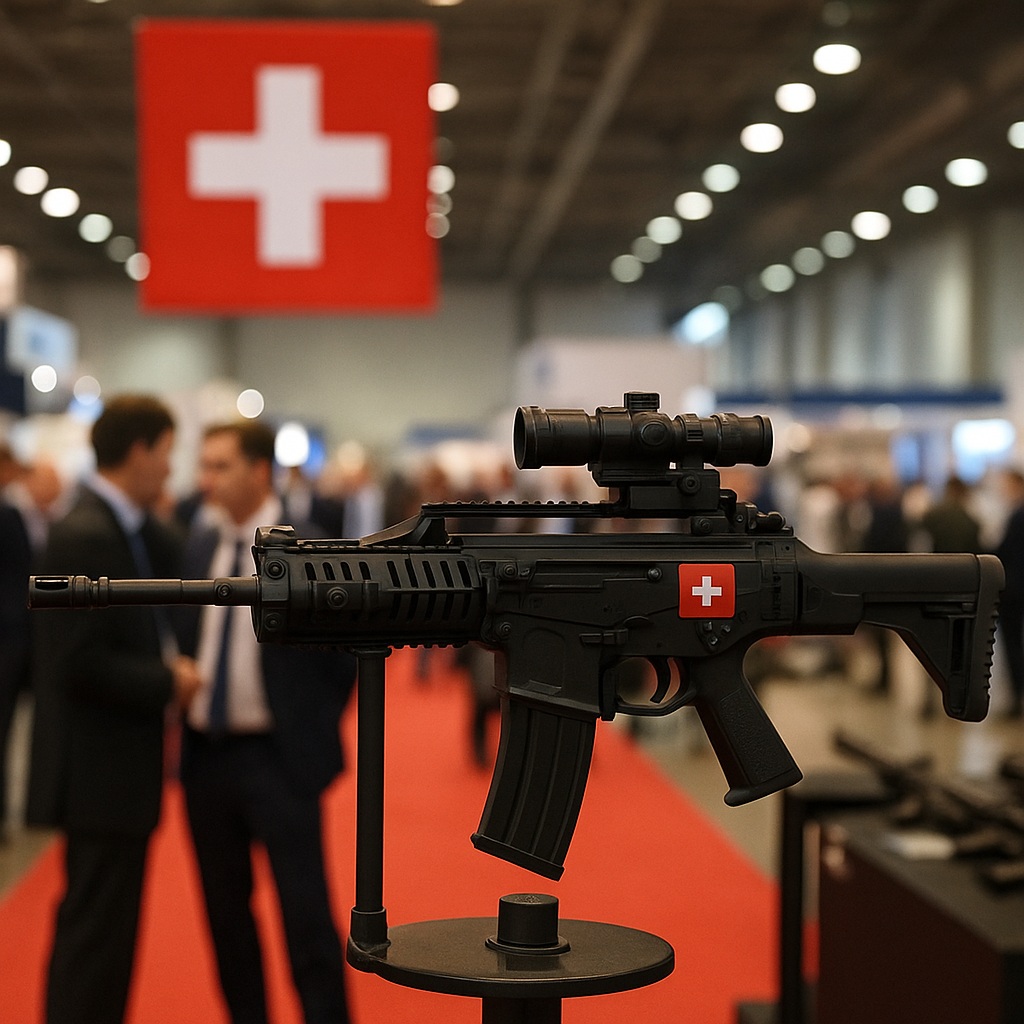
Federal Assembly vote opens the door for broader defense exports to Western partners while maintaining a formal ban on direct deliveries to Ukraine
As Switzerland’s Federal Assembly approved a long-debated amendment to the nation’s arms‑export law, Bern now finds itself navigating a more delicate version of its long‑held neutrality. The reform, adopted after months of pressure from the domestic defense sector and calls for closer strategic alignment with Europe, allows Swiss weapons manufacturers to export to a tightly defined group of twenty‑five Western countries. While the government insists that its position toward the war in Ukraine remains unchanged, the decision signals a calibrated shift in Swiss policy designed to keep its defense industry competitive without openly abandoning neutrality.
The vote reflects a growing recognition in Swiss political circles: the global defense market has changed dramatically, and Switzerland risks losing ground unless it adapts. For years, Swiss companies have warned that strict re‑export rules and political hesitation were costing them contracts, undermining research and development, and forcing potential partners in Europe and North America to look elsewhere. The newly approved framework answers some of these concerns by enabling arms sales to states that share Switzerland’s security standards, oversight practices, and democratic values.
Yet officials continue to underline the limits of the reform. The amendment does not permit direct exports to Ukraine, nor does it authorize partner countries to re‑export Swiss‑made materiel to Kyiv. This careful distinction, lawmakers argue, is essential to ensuring that Switzerland does not slide into the role of a wartime supplier. Instead, supporters say the aim is simply to preserve industrial relevance at a time when European states are dramatically expanding their defense capabilities.
Opponents, however, insist the change amounts to a quiet erosion of neutrality, one that risks turning Switzerland into a de facto contributor to Western military strategies. Critics within pacifist groups and several political parties argue that even indirect participation in the rearmament of Europe sends a political message that runs counter to Switzerland’s historic balancing act. They warn that neutrality is not only a legal principle but also a matter of perception—one that could be damaged if Swiss hardware increasingly appears on the arsenals of Western powers engaged in global security competition.
Industry leaders counter that the alternative is far more damaging: a shrinking domestic defense base, reduced technological autonomy, and waning influence in future cooperative projects. Switzerland’s manufacturers have long played a discreet but indispensable role in the European defense architecture. The new rules, they argue, simply recognize that modern neutrality must be compatible with international collaboration, especially among like‑minded states.
Diplomats in Bern are now preparing for a period of heightened scrutiny. Governments within the newly authorized export group are expected to welcome the shift, but they are also aware of Switzerland’s sensitivity to public perception. The Foreign Ministry is developing guidelines aimed at ensuring that exports remain consistent with humanitarian principles and do not inadvertently fuel regional instability.
As European capitals continue to rebuild their militaries and re‑evaluate their long‑term security needs, Switzerland’s move illustrates the broader pressures facing traditionally neutral states. The coming months will reveal whether Bern can maintain its diplomatic equilibrium—supporting domestic industry, cooperating with partners, and holding onto a version of neutrality recognizable to its citizens.
For now, the reform represents a cautious but notable evolution: not a break with neutrality, officials say, but an adaptation to a continent where the boundaries between economic interests, security cooperation, and political alignment have become increasingly blurred.



 The Tower Post