Sessions of the Council of the European Union set to shape competitiveness, market rules, and the future of digital payments
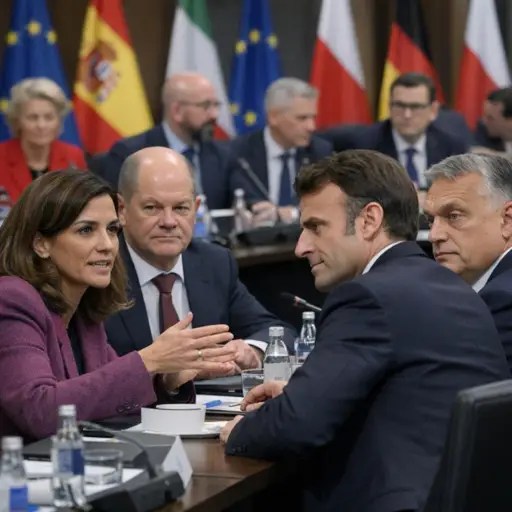
Brussels — As Europe approaches a decisive phase in its economic and regulatory evolution, the Council of the European Union is preparing for a series of high‑stakes meetings in October 2025 that could set the trajectory of the EU’s single currency, digital‑finance architecture, and e‑commerce landscape for the coming decade. Against a backdrop of global economic uncertainty, renewed geopolitical tensions, and intensifying competition from the United States and China, the upcoming discussions aim to reinforce the Union’s competitiveness while tightening the regulatory frameworks that define European markets.
At the center of the agenda is a fresh push to modernize and protect the eurozone’s economic foundations. Ministers are expected to revisit legislative proposals linked to the fiscal framework and macroeconomic coordination, which have gained renewed urgency amid inflation stabilization efforts and the EU’s medium‑term growth concerns. According to senior officials, the Council will also evaluate member states’ feedback on reinforcing the governance of the single currency to improve resilience against external shocks. Although no treaty changes are expected, the meetings are anticipated to produce guidance that could shape euro‑area policymaking through 2030.
A major focal point will be the digital euro — a project that has moved from conceptual design into the early stages of legislative and technological definition. The European Commission and the European Central Bank (ECB) have signaled readiness to advance the initiative as the global race toward central bank digital currencies accelerates. During the October sessions, ministers will assess progress on the ECB’s prototype development and scrutinize concerns raised by industry groups regarding privacy protections, transaction fees, and the potential impact on commercial banking models. Several member states, including Germany, France, and the Netherlands, are anticipated to call for clearer guarantees that the digital euro will complement — not disrupt — existing financial systems.
The Council’s discussions may yield a refined policy framework outlining citizen privacy safeguards, offline payment functionalities, and limits on individual digital‑euro holdings. Policymakers are also expected to debate cross‑border interoperability standards, which could position the digital euro as a benchmark for the international use of digital currencies in regulated environments. At the same time, smaller member states and fintech stakeholders are urging the Council to ensure that innovation is not bogged down by excessive compliance burdens.
E‑commerce and market regulation are also set to dominate the agenda, particularly as the Digital Services Act (DSA) and Digital Markets Act (DMA) enter full enforcement across the EU. One of the central challenges now facing regulators is how to maintain a level playing field as large online platforms adapt to the new rules — and how to enforce compliance in ways that do not impede SMEs, which account for the majority of Europe’s digital‑market participants. The Council’s Competitiveness configuration is expected to review the effectiveness of current enforcement measures and consider whether new sector‑specific rules may be necessary, particularly for AI‑driven marketplaces.
Key topics include algorithmic transparency, cross‑border consumer protection, and the responsibilities of online retailers in verifying high‑risk products. Member states have expressed particular concern over the rise of counterfeit and non‑compliant goods entering the EU through fast‑growing e‑commerce channels. Officials familiar with the matter say the Council may call for strengthened obligations for online platforms to cooperate with customs authorities, especially in cases involving third‑country sellers.
This focus aligns with another major item on the October agenda: reforms to the EU’s customs and trade package. The European Commission is expected to present updated assessments of its proposed overhaul, which aims to simplify customs operations while improving security and traceability across supply chains. The initiative, which includes the creation of a new EU Customs Data Hub, seeks to enhance real‑time oversight and reduce the administrative burden on companies operating across multiple member states.
However, negotiations have revealed tensions between member states that want deeper centralization of customs controls and those that prefer to maintain national oversight. The October meetings may serve as a test of political will, as ministers attempt to balance efficiency, sovereignty concerns, and the need to clamp down on illicit trade. Business associations are advocating for faster implementation timelines, arguing that the current fragmented system slows down logistics and undermines Europe’s competitiveness.
Another dimension to the trade‑package debate involves sustainability. EU policymakers are increasingly integrating environmental criteria into customs screening, particularly for products associated with high carbon footprints or deforestation-linked supply chains. Discussions in October are likely to explore how such criteria can be applied consistently without creating barriers that violate World Trade Organization rules. As the EU moves forward with its Carbon Border Adjustment Mechanism (CBAM), customs authorities will face new challenges in verifying product‑level data — a task many officials admit will require substantial digitization and staffing upgrades.
Beyond the technical debates, the upcoming Council meetings carry significant political weight. With European elections scheduled for 2026, national governments are eager to show progress on issues that resonate with voters: cost of living, digital transformation, and fair trade. Analysts suggest that the October sessions could therefore become a stage for strategic positioning among member states, even as they work to strike compromises on long‑term reforms.
Observers expect the Council to emerge from the sessions with renewed commitments to strengthening the EU’s economic governance and digital infrastructure. While any legislative changes will likely undergo months of negotiations with the European Parliament, the direction set in October will influence institutional priorities and funding allocations heading into 2026.
Ultimately, the decisions made in Brussels this month may help determine how effectively the EU can compete in a rapidly shifting global economy — and whether it can maintain its ambition of setting international standards in digital finance, e‑commerce, and regulatory oversight. As Europe confronts the challenges of technological transformation, geopolitical uncertainty, and economic realignment, the Council’s October agenda stands as one of the most consequential of the year.



 The Tower Post