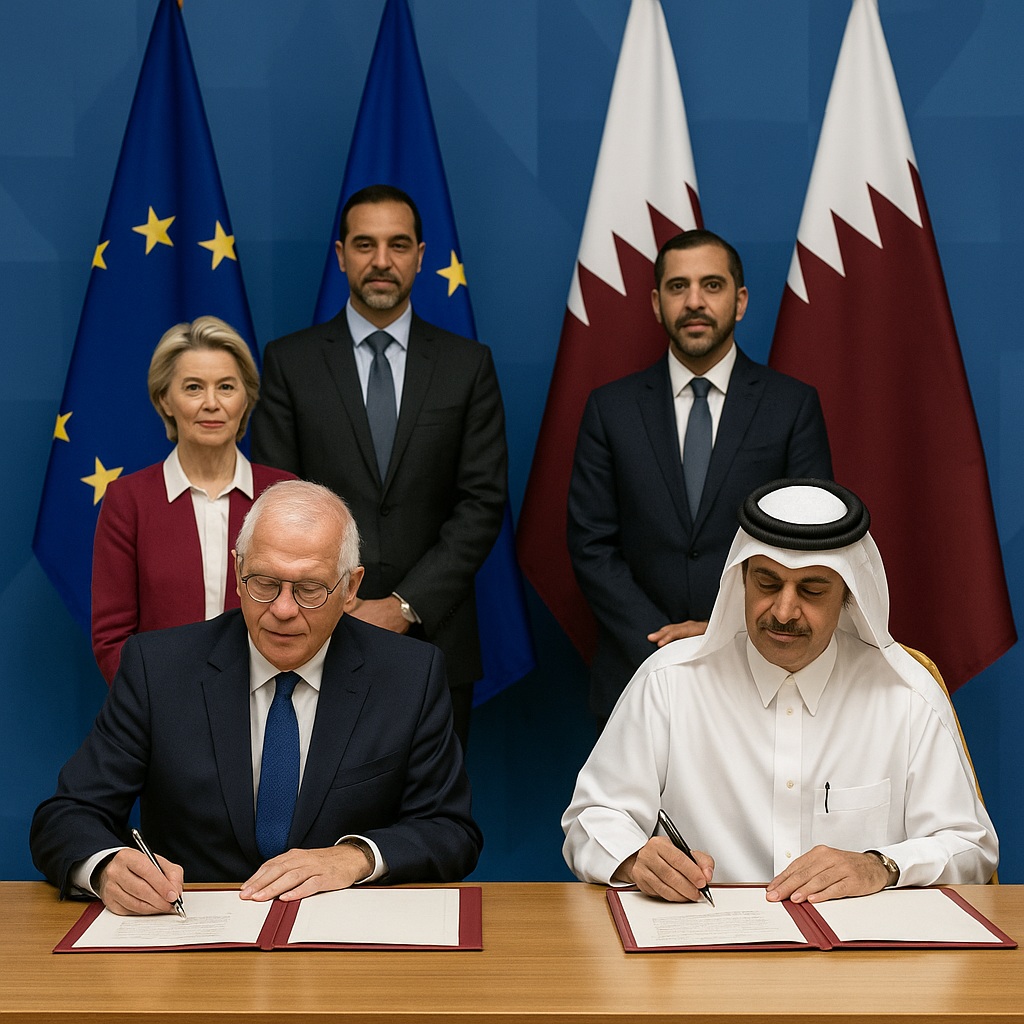
Brussels and Doha move toward a long-term pact spanning trade, energy, and security

The European Union has formally opened negotiations with Qatar on a sweeping Strategic Partnership Agreement, setting in motion what officials on both sides describe as one of the most ambitious diplomatic undertakings between the bloc and a Gulf nation in recent years. Announced in early December, the launch of talks marks a decisive shift toward structured, long‑term cooperation at a moment when geopolitical volatility is reshaping alliances and economic priorities across multiple regions.
European diplomats emphasized that the negotiations reflect the EU’s broader recalibration of its external relations, particularly its search for dependable partners capable of contributing to energy stability, diversified trade flows, and multilateral security efforts. Rather than focusing solely on short‑term energy needs, officials in Brussels increasingly speak of a “strategic horizon” in which Qatar is seen not only as a key LNG supplier but also as an indispensable actor in regional diplomacy.
Qatari leaders, meanwhile, view the talks as an opportunity to consolidate Doha’s expanding global role. Over the past decade, Qatar has steadily positioned itself as a central hub in the energy market and a discreet mediator in conflicts spanning the Middle East and beyond. A formal partnership with the EU—one of the world’s largest economic blocs—offers both political prestige and practical pathways to broaden cooperation.
Trade is expected to be one of the central pillars of the negotiation process. Early indications from both teams suggest strong interest in developing a framework that supports streamlined regulatory procedures, investment facilitation, and joint innovation programs. European industries, particularly in advanced manufacturing and technology, are looking for deeper market access, while Qatar is expected to push for expanded investment opportunities within the EU.
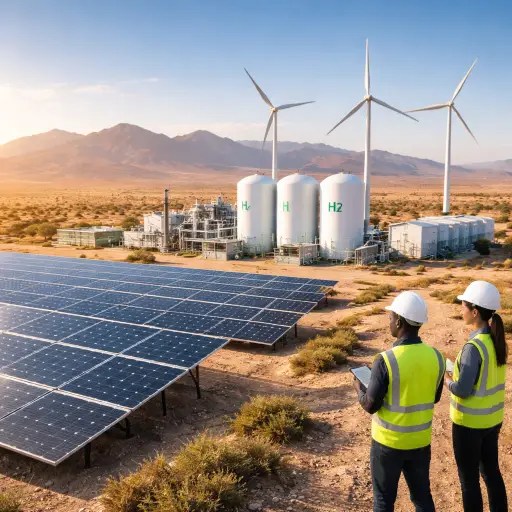
In parallel, energy remains an unavoidable focal point. Although the immediate pressure for LNG supplies has eased in recent months, the EU is still working to redesign its long‑term energy mix—balancing decarbonization goals with the need for secure sources of natural gas during the transition. Qatar’s leadership in LNG production, combined with its investments in cleaner energy technologies, places it in a favorable position to shape future cooperation. Negotiators are exploring the potential for joint ventures in green hydrogen, carbon capture, and other emerging sectors central to Europe’s climate ambitions.
Security and diplomatic coordination form another critical layer of the talks. EU officials note that Qatar’s extensive mediation networks—spanning multiple political factions and crisis zones—align with Europe’s desire to build more resilient diplomatic infrastructure. Discussions are expected to cover intelligence cooperation, counter‑terrorism frameworks, and coordinated approaches to humanitarian and conflict‑prevention initiatives. Analysts say this dimension may become one of the most consequential elements of the agreement, particularly as global instability continues to test traditional alliances.
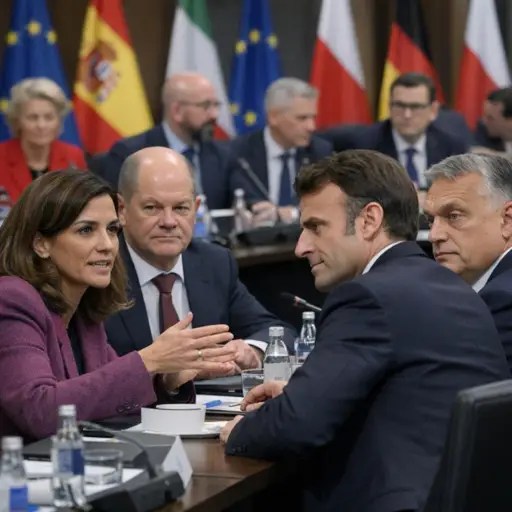
Despite the strong political will on both sides, the road ahead is complex. Aligning regulatory systems, ensuring fair competition, and balancing national sensitivities will require extensive negotiation. Yet observers point out that the political climate is unusually favorable: both Brussels and Doha appear determined to signal a future‑focused partnership capable of enduring beyond immediate crises.
As the talks move forward, diplomats suggest that this emerging partnership could become a cornerstone of the EU’s engagement with the wider Gulf region—setting a precedent for structured, strategic cooperation that neither side has pursued at this scale before.
If successful, the agreement would not only deepen ties but also underscore a shared belief that stability and prosperity in the coming years will depend on flexible, durable, and forward‑looking alliances.


 The Tower Post