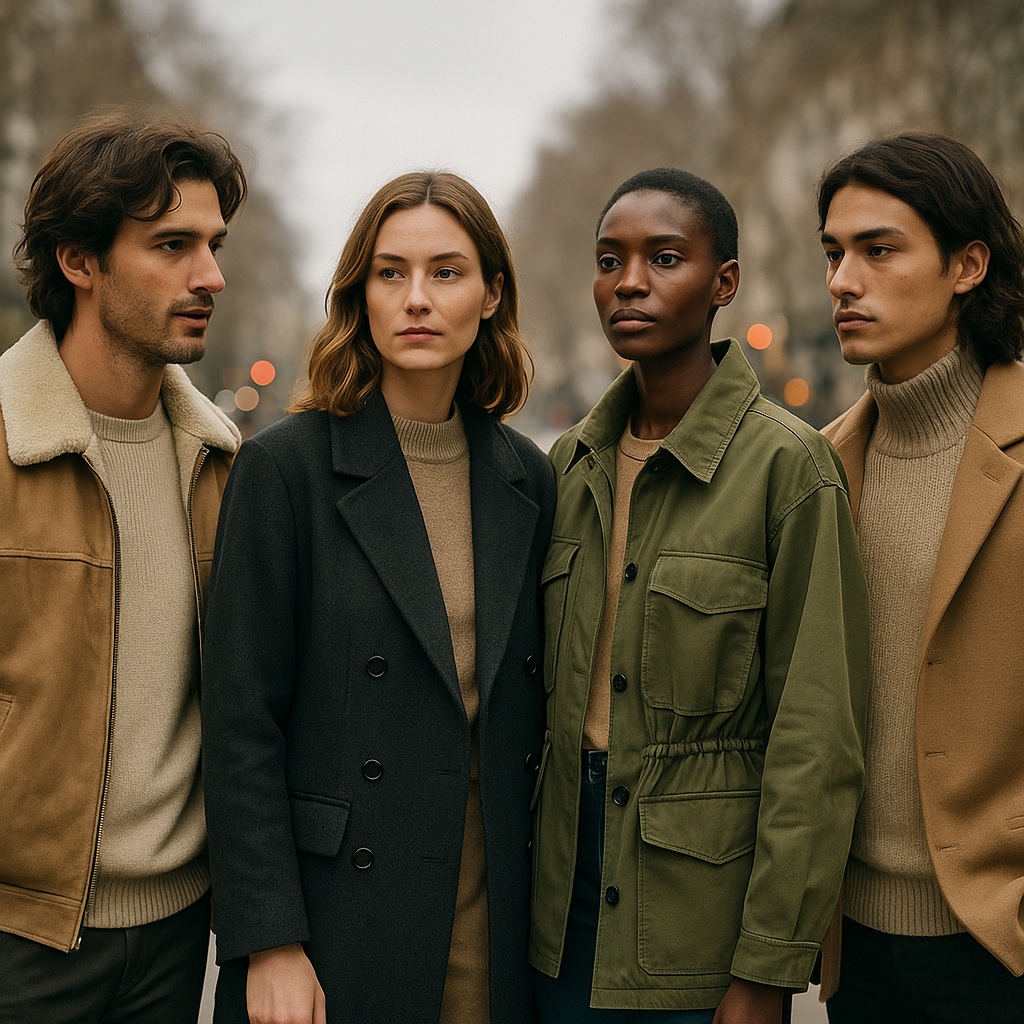
How fashion’s structural shifts are reshaping global wardrobes
As underscored by the 2026 edition of the industry report developed by McKinsey & Company in partnership with The Business of Fashion, the global fashion sector is entering a period defined less by fleeting trends and more by profound structural change. Economic uncertainty, continuing supply-chain pressures, and rapidly evolving consumer expectations are converging to rewrite the industry’s priorities. Today’s shoppers are leaning toward durability, conscious materials, and clothing that adapts to varied lifestyles — a shift that reflects broader cultural anxieties and aspirations.
The report suggests that the volatility seen across global markets has pushed both brands and consumers to rethink value. Instead of seasonal novelty, the focus is turning toward garments that last, carry emotional resonance, and justify their environmental footprint. This pivot is especially visible among younger demographics, who increasingly frame their style decisions through the lens of climate impact and long-term usefulness. Their preferences are shaping a new form of minimalism — not austere, but intentional, where each purchase must earn its place.
Meanwhile, supply-chain challenges continue to shape what ends up on shelves. From raw-material bottlenecks to manufacturing delays, the fashion ecosystem is learning to operate with greater resilience. Many brands are experimenting with nearshoring, recycled fibers, and more transparent sourcing models. These shifts are not merely tactical; they signify a growing recognition that efficiency and ethics must coexist. The industry is discovering that traceability — once a niche concern — is becoming a central value proposition.
Yet perhaps the most defining change is the rising demand for versatility. As consumers navigate blended professional and personal lives, multipurpose garments are becoming essential. Adaptive designs, modular silhouettes, and high-performance fabrics are finding new relevance. Items that transition seamlessly across contexts — from work to leisure, indoors to outdoors — are at the heart of this transformation. Versatility is no longer a convenience; it is a cultural necessity.
The call for longevity, too, is reshaping business models. Repair services, take-back programs, and circular design principles are transitioning from experimental pilots to standard offerings. Brands are being asked to participate in the full lifecycle of their products — not only creating but stewarding them. This shift reflects a deeper societal desire to slow consumption and reconnect with craftsmanship. Longevity is becoming a marker of trust.
Across the industry, these forces signal that fashion’s future will be defined by responsibility, adaptability, and endurance. As the report highlights, the brands that thrive will be those capable of balancing creativity with accountability, innovation with restraint. Fashion is no longer just about what people wear; it is a reflection of how they choose to live amid global complexity.
On this moment in December, the industry stands at an inflection point. The threads of change are already woven into the fabric of global culture. What comes next will depend on how designers, retailers, and consumers choose to respond — together shaping a more thoughtful and resilient fashion landscape.


 The Tower Post