
Repeated airspace incursions prompt heightened alert as Vilnius warns of hybrid-attack tactics
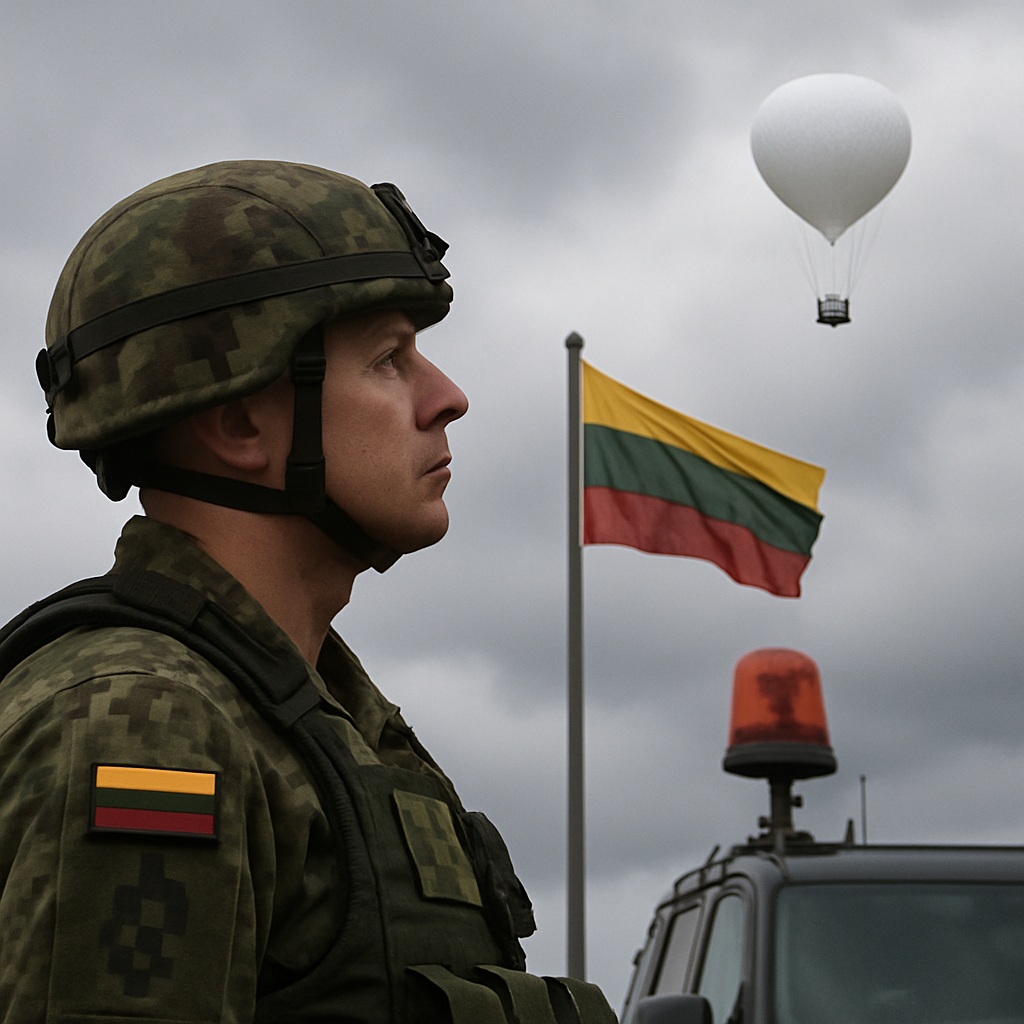
In a dramatic escalation of regional tensions, Lithuania has declared a national emergency following a series of suspected Belarusian balloon incursions into its airspace. The decision reflects deepening concerns within Vilnius that the launches represent a coordinated hybrid-attack strategy, aimed at testing the Baltic nation’s response capabilities and probing weaknesses in NATO’s eastern flank.
Officials described multiple sightings of low-altitude balloons drifting across the border from Belarus, some carrying unidentified equipment. While none have caused physical harm, defense authorities argue the pattern shows intentional, state-enabled provocations rather than accidental weather-balloon activity. The incidents have triggered rapid-response protocols, including radar sweeps, drone surveillance, and joint assessment briefings with NATO partners.
Security analysts say the move marks one of the most consequential steps taken by Lithuania since it began tightening border controls and counter-disinformation measures against Minsk. The emergency declaration enables expedited military deployments, heightened readiness for air-defense units, and accelerated intelligence-sharing across ministries. It also authorizes Lithuania’s crisis management center to issue directives without delay when new aerial anomalies are detected.
Vilnius maintains that the balloons—some of which reportedly crossed near restricted military zones—pose risks not only due to their unknown payloads but also because they blur the line between civilian equipment and potential reconnaissance tools. Lithuanian air-defense officers have emphasized that the ambiguity itself is a strategic weapon, designed to force constant resource mobilization and to create psychological pressure on border communities.
Belarus has dismissed Lithuania’s claims, accusing Vilnius of manufacturing hysteria for political gain. Analysts note, however, that similar balloon incidents have been reported in neighboring states, contributing to regional unease over Minsk’s alignment with Moscow and its participation in broader informational and unconventional tactics.
Diplomatic channels remain open, but Lithuanian officials insist that deterrence requires immediate and visible action. The national emergency remains a temporary measure, yet authorities suggest it will stay in effect until incursions cease and an independent verification mechanism is established.
Local residents along the border, accustomed to years of geopolitical strain, expressed a mixture of frustration and resolve. Farmers in sparsely populated districts reported hearing brief helicopter patrols overnight, a sign that security efforts have intensified. Meanwhile, urban centers saw minimal disruption, though the government urged citizens to report any unusual aerial objects.
As winter sets in, the Lithuanian government is preparing for what it calls a period of “sustained vigilance.” Officials argue that hybrid threats rarely disappear quickly and that Belarus’s balloon launches may be part of a longer campaign to destabilize public trust in national institutions.
For now, Lithuania’s message is clear: every incursion will be treated as a security event, and its airspace—however tested—will remain firmly defended.




 The Tower Post