
As governments tighten export controls, Nvidia moves to embed geofencing intelligence directly into its next-generation accelerators.
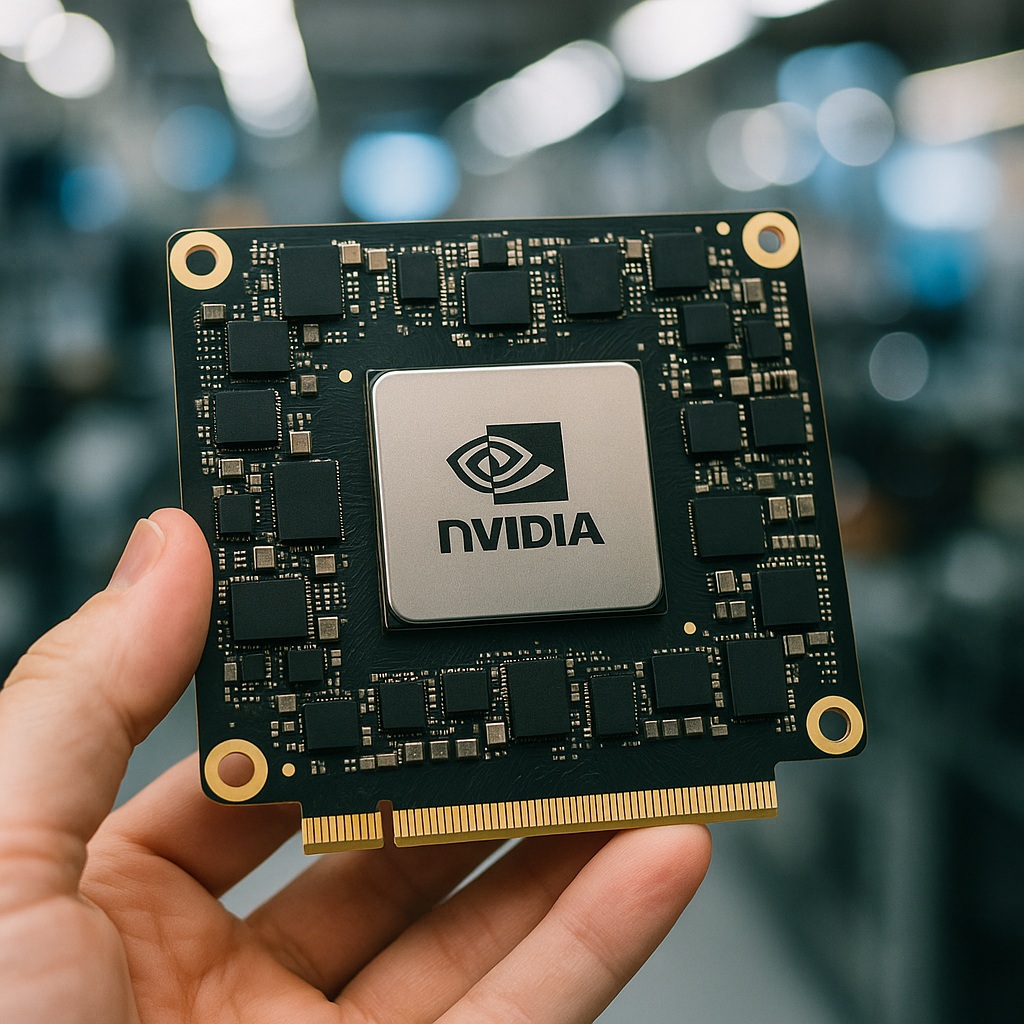
In a decisive move that signals the growing geopolitical stakes surrounding artificial-intelligence hardware, Nvidia has begun integrating a new location-verification technology into its forthcoming data-center GPUs. The system, described by company engineers as a “hardware-rooted geographic attestation layer,” is designed to deter the illicit diversion of high-performance AI chips into restricted markets.
The initiative comes amid sustained governmental pressure to curb unauthorized transfers of advanced accelerators, which have become essential to training frontier-scale AI models. Industry analysts say the black-market pipeline for these chips has surged as demand from sanctioned regions intensifies. Shipments can be covertly rerouted through intermediary nations, with the destination obfuscated until after delivery. Nvidia’s new mechanism seeks to undermine that tactic by ensuring a chip can only operate within approved jurisdictions.
According to individuals familiar with the implementation, the verification layer pairs encrypted geolocation signals with a secure enclave embedded in the silicon. The chip periodically confirms its physical position against authorized regions defined at activation. If the hardware is moved outside those bounds, performance is throttled or critical compute functions are disabled entirely. The approach resembles geofencing frameworks used in drone technology, but with the additional complexity of data-center environments and hyperscale deployments.
Experts caution that any location-based safeguard will face sophisticated adversaries. Smugglers could attempt to spoof satellite data or isolate chips from network-based verification checks. Still, researchers note that embedding attestation directly in hardware raises the cost and technical difficulty of such evasion. It also gives cloud providers a stronger compliance foundation as regulators scrutinize how advanced compute is provisioned and monitored.
Some privacy advocates warn that geographic locks on general-purpose compute risk expanding into broader forms of device-level control. They argue that tying hardware functionality to political boundaries could set precedents for more intrusive limitations. Nvidia maintains that its implementation is narrow in scope and focused exclusively on export-control compliance.
Industry competitors are watching closely. If Nvidia’s approach proves effective, analysts anticipate similar architectures appearing across the AI-hardware ecosystem. The stakes are high: as countries race to secure access to cutting-edge compute, the ability to track and enforce lawful deployment of chips may shape global AI capabilities for years to come.
For data-center operators, the transition will likely require new auditing workflows and attestation logs. Several cloud firms have reportedly begun integrating early versions of the technology into internal compliance tests. They expect regulators to increasingly require demonstrable proof that restricted components have not been transferred or sold into prohibited zones.
As AI continues its rapid expansion, the fight over who gets access to premier compute is intensifying. Nvidia’s location-verification system represents one of the clearest signs yet that hardware innovation is becoming inseparable from geopolitics. Whether it ultimately slows the global shadow-market for accelerators remains to be seen, but it marks a new era in which chips themselves help enforce the boundaries nations draw around advanced technology.




 The Tower Post