
How AI Adoption and Stronger Trade Ties Are Positioning the EU for Steady Growth in 2026

As of mid-December 2025, Europe’s economic trajectory is shifting toward cautious optimism. After years of navigating supply‑chain shocks, energy‑price volatility, and tightening financial conditions, the European Union is exiting the year on firmer footing. Analysts across major policy institutes note that—barring unexpected global disruptions—the EU is poised for steady, broad‑based growth in 2026, driven by a renewed global trade cycle, resilient household demand, and an acceleration in artificial‑intelligence deployment across industries.
Much of the renewed confidence stems from stabilizing global conditions. Manufacturers are reporting shorter delivery times, and export‑oriented economies such as Germany and the Netherlands are preparing for a rebound in international orders. European firms are also benefiting from diversified trade partnerships, with stronger commercial links emerging across regions including Southeast Asia, Latin America, and Africa. These shifts, economists argue, could help shield the bloc from the concentrated risks that weighed on growth in previous years.
Household consumption, meanwhile, is showing surprising resilience. Despite elevated borrowing costs earlier in the year, consumer sentiment has gradually improved across several member states. Retail indicators suggest that spending has not only held steady but is broadening across categories, helped by moderating inflation and gradual wage gains. This creates an important foundation for domestic demand as 2026 approaches, particularly in sectors like services, tourism, and retail logistics.
The most significant tailwind, however, may come from technology adoption—specifically the rapid scaling of generative and industrial AI. European automakers, pharmaceuticals groups, and logistics providers are now deploying AI systems that cut operating costs, accelerate product development, and enhance supply‑chain visibility. Policy incentives introduced over the past two years are also starting to shape investment flows, encouraging companies to build data infrastructure and talent pipelines within the EU. While Europe continues to face global competition in advanced computing and chip manufacturing, its strength in regulated, sector‑specific AI solutions is emerging as a competitive advantage.
Small and medium‑sized enterprises, traditionally slower to digitize, are also accelerating adoption. Local chambers of commerce across member states report rising interest in AI‑powered tools for administration, finance, and customer management. If this trend holds, economists suggest it could boost productivity more widely across the bloc, reducing the long‑standing gap between large corporations and smaller firms.
Trade policy will play a decisive role in 2026. Negotiations on several key commercial agreements are advancing, and businesses remain hopeful that streamlined regulatory frameworks will lower barriers and improve export competitiveness. Even ongoing geopolitical tensions have pushed many European companies to pursue supply‑chain resiliency strategies that could ultimately strengthen long‑term growth potential.
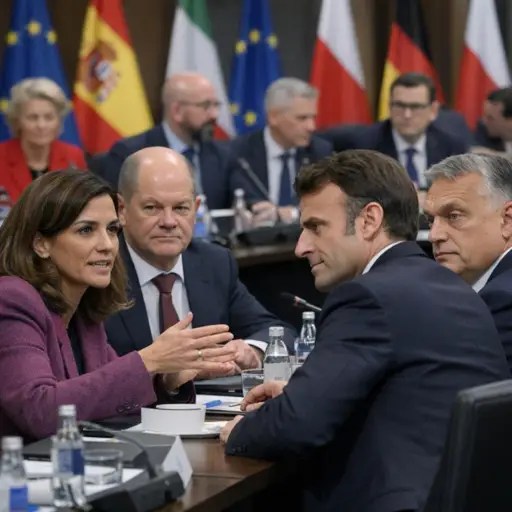
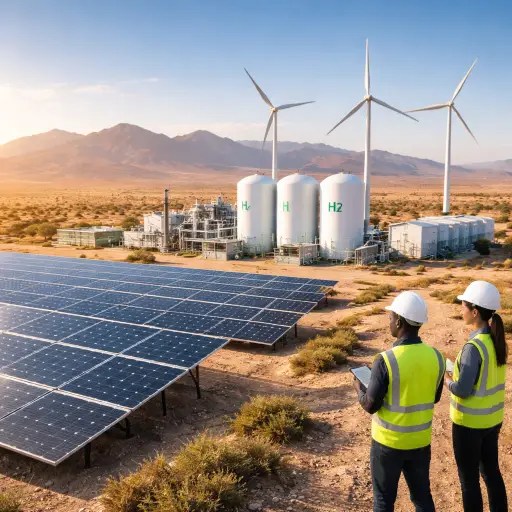
Still, policymakers remain cautious. Structural challenges—from labor shortages to the need for accelerated green‑transition investments—could cap growth if not addressed. Fiscal strategies will also be closely watched, as governments balance investment needs with debt‑stability concerns. Yet, the mood across European institutions is notably more confident than it was a year ago.
As 2026 nears, the outlook is defined not by exuberance but by steady, deliberate progress. If current momentum continues, Europe may enter the new year with a clearer economic narrative: one shaped by technological modernization, diversified trade, and the quiet resilience of its consumers.


 The Tower Post