
Thyssenkrupp Steel Europe to Suspend Electrical Steel Operations as Surging Low‑Cost Imports Threaten 1,200 Jobs

In a move sending tremors through Europe’s industrial heartland, Thyssenkrupp Steel Europe announced that it will temporarily halt major electrical steel production activities in Germany and France. The decision, driven by a surge of low‑priced imported steel flooding European markets, has triggered urgent discussions across political, economic, and labor circles.
The company, one of Europe’s largest steelmakers, said it has been unable to compete with aggressively priced material entering the bloc. Executives described the import pressure as “structural and unsustainable,” warning that without intervention, Europe risks losing a strategic industry essential for technologies ranging from power transformers to electric vehicles.
Workers at affected sites expressed shock and frustration, noting that the production halt places approximately 1,200 jobs at immediate risk. Labor unions accused policymakers of failing to address what they describe as “market distortions” caused by subsidized overseas producers. Union leaders are now pushing for emergency support measures to protect both workers and Europe’s industrial sovereignty.
Economic analysts say the temporary halt underscores vulnerabilities in Europe’s supply chains, especially in sectors tied to the energy transition. Electrical steel, prized for its magnetic properties, is essential for high‑efficiency motors and renewable‑energy installations. The possibility of losing domestic production capacity has raised alarms among manufacturers who depend on stable, local supplies.
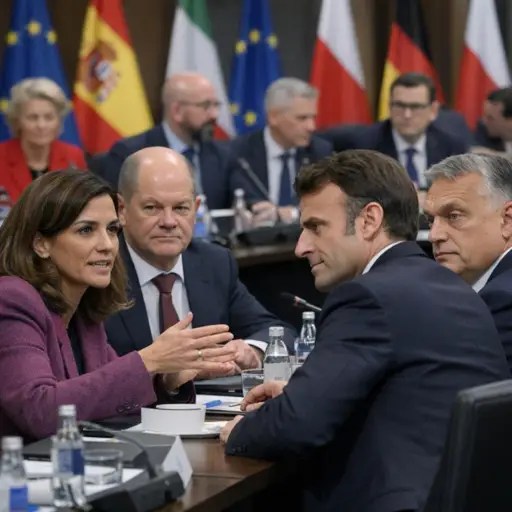
Government officials in both countries have acknowledged the seriousness of the situation and are holding discussions with industry representatives. While no specific policy responses have been outlined, officials signaled willingness to consider trade defenses and industrial‑support mechanisms. Still, the road ahead appears uncertain, as broader geopolitical tensions and global overcapacity continue to reshape steel markets.
Thyssenkrupp emphasized that the suspension is temporary but admitted that future operations will depend on how quickly European markets stabilize. Industry watchers caution that reopening facilities may prove challenging if imports continue to dominate the pricing landscape. Some warn that the suspension could be a prelude to longer‑term restructuring.
For communities built around heavy industry, the announcement marks another blow in a years‑long struggle to adapt to global economic shifts. Local leaders described the news as a reminder of the delicate balance between industrial competitiveness, social stability, and the transition toward greener technologies.
As Europe debates its next steps, workers wait anxiously, hoping that political pressure and industrial strategy will converge quickly enough to prevent the region from losing yet another critical manufacturing pillar.


 The Tower Post