
A new charge on low-value imports aims to rebalance competition with overseas platforms, testing Europe’s trade resolve and consumer habits.
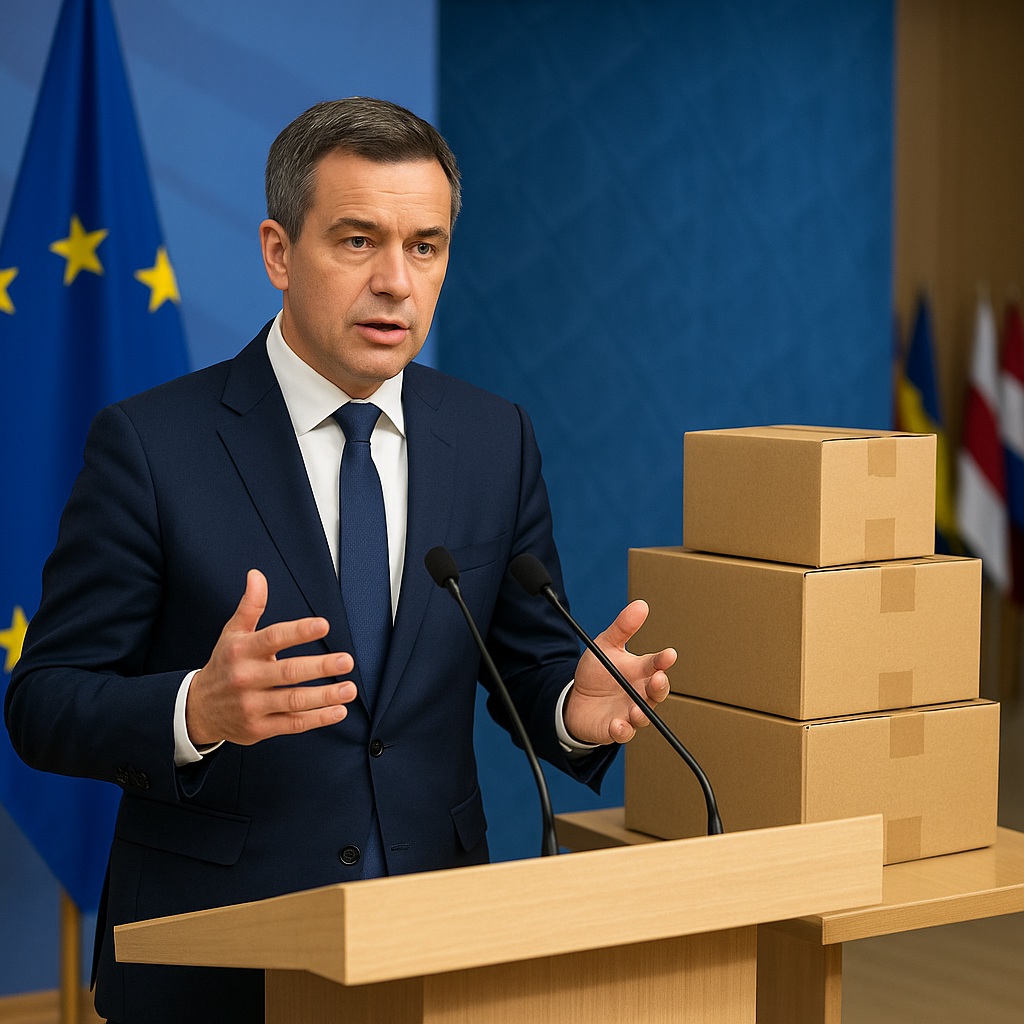
As the year draws to a close, Europe’s finance ministers have delivered a decision that could reshape the way millions of consumers shop online. Meeting amid growing concern over the flood of ultra-cheap goods entering the single market, ministers agreed to introduce a flat levy on small parcels arriving from outside the European Union. The move, framed as a defensive measure for European retailers, signals a tougher stance on cross-border e-commerce and the business models that have thrived on it.
The measure establishes a three-euro charge on low-value parcels shipped directly to consumers from non-EU countries, set to apply from the middle of the decade’s second half. For years, such shipments have largely escaped customs duties, allowing overseas sellers—particularly fast-growing Asian platforms—to undercut European competitors on price. Finance ministers argue that the levy is a necessary correction to restore fairness in the internal market.
“This is about equal rules for equal activity,” said one senior EU official involved in the talks. “European shops pay taxes, comply with standards, and face rising costs. When goods arrive at the doorstep without comparable obligations, competition becomes distorted.”
A Market Transformed by Small Parcels
The rise of direct-to-consumer imports has transformed Europe’s retail landscape. Low-cost platforms, powered by massive logistics networks and data-driven marketing, have turned the small parcel into the backbone of global e-commerce. Consumers have grown accustomed to paying just a few euros for items shipped halfway around the world, often with delivery times measured in days rather than weeks.
But the volume has overwhelmed customs authorities and raised questions beyond price. Consumer groups and regulators have flagged concerns about product safety, environmental impact, and labor standards. The sheer number of parcels, many valued below traditional duty thresholds, has strained border controls and reduced the effectiveness of existing checks.
Finance ministers insist the levy is not a protectionist reflex but a pragmatic response to a structural imbalance. By applying a uniform charge, the EU aims to simplify enforcement while sending a clear signal to global sellers that access to the single market comes with a cost.
Winners, Losers, and Political Calculus
European retailers have welcomed the decision. Brick-and-mortar shops, already squeezed by inflation and changing consumer habits, see the levy as overdue recognition of the uneven playing field they face. Online retailers based within the EU also stand to benefit, as the price gap with foreign competitors narrows—if only slightly.
Consumers, however, may feel the impact directly. While three euros may appear modest, it represents a significant share of the price for ultra-cheap goods. Analysts expect some shoppers to rethink impulse purchases, while others may absorb the cost without changing behavior. The true test will be whether the levy alters buying patterns at scale.
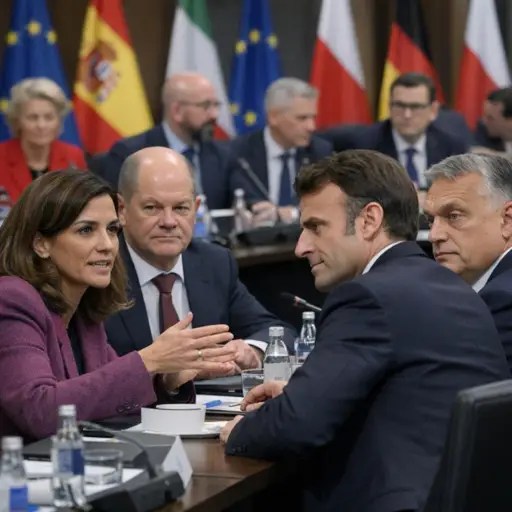
Politically, the agreement reflects a rare convergence among member states with traditionally divergent views on trade. Countries with strong retail sectors pushed for decisive action, while more liberal economies sought assurances that the measure would not provoke retaliation or breach international commitments. The compromise reached suggests a growing consensus that the status quo is unsustainable.
Trade Tensions on the Horizon
The decision is likely to be closely watched beyond Europe’s borders. Major exporting countries have long benefited from the EU’s de minimis rules, which allowed low-value goods to enter with minimal friction. Introducing a parcel levy could invite scrutiny under global trade frameworks, even if Brussels insists the charge is non-discriminatory and compatible with international law.
EU officials stress that the levy is part of a broader modernization of customs policy. Alongside the charge, the bloc plans to invest in digital tools to track shipments, improve risk analysis, and enhance cooperation among national authorities. The goal is not only to collect revenue but to regain control over a system stretched by globalization.
Environmental and Strategic Dimensions
Beyond economics, the parcel levy touches on Europe’s environmental ambitions. The explosion of small-package shipping has increased emissions, packaging waste, and returns. By modestly raising the cost of cross-border micro-shipments, policymakers hope to nudge both sellers and consumers toward more sustainable practices, such as consolidated shipping or local sourcing.
Strategically, the move fits into a wider effort to assert European sovereignty in critical supply chains. From semiconductors to pharmaceuticals, the EU has spent recent years reassessing its dependence on external suppliers. Retail may seem less strategic, but ministers argue that resilient local commerce is part of economic security.
Looking Ahead
As winter settles across the continent, the parcel levy stands as a symbol of a more assertive Europe—one willing to intervene in the mechanics of global trade to defend its internal market. Implementation will be key. Customs authorities must translate political agreement into workable systems, while businesses on both sides of the border adapt.
For consumers, the change may be subtle at first: a small extra charge at checkout, a moment’s hesitation before clicking “buy.” Yet behind that moment lies a broader recalibration of how Europe balances openness with protection, affordability with fairness. The coming months will reveal whether this balance can be struck—or whether the humble parcel becomes the next flashpoint in global commerce.



 The Tower Post