
Asian Beauty-Retail Fashion Brand Signals a New Phase in American Brick-and-Mortar Strategy
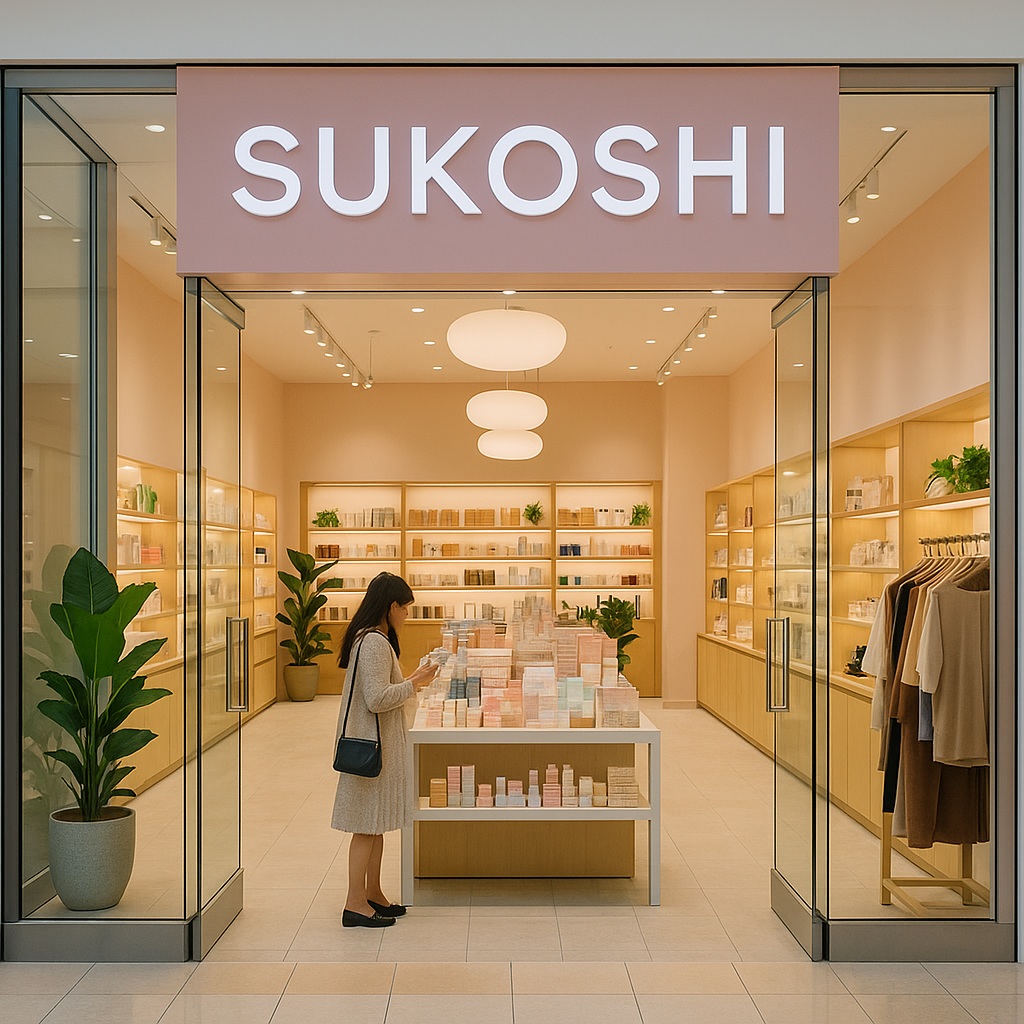
By December 2025, the U.S. retail landscape is undergoing a quiet but meaningful recalibration. Amid cautious consumer spending and the ongoing redefinition of physical shopping, Sukoshi — the Asian beauty and lifestyle retail brand known for blending K-beauty, J-beauty, and pop-culture fashion — is accelerating its American expansion through a series of high-profile shopping mall openings.
The move marks a decisive bet on experiential retail and underscores how internationally born brands are rethinking the role of physical stores in a post-digital era.
A Calculated Push Into Physical Retail
Sukoshi’s expansion comes at a time when many retailers remain wary of long-term mall commitments. Yet for Sukoshi, malls represent more than traditional foot traffic. They are curated social environments where discovery, community, and visual storytelling converge — values that align closely with the brand’s DNA.
The new U.S. locations are concentrated in major metropolitan malls, chosen for their strong youth demographics, international visitor flow, and emphasis on lifestyle-oriented retail rather than pure transactional shopping. Industry analysts see the strategy as a reflection of Sukoshi’s confidence in physical retail as a branding tool rather than a sales channel alone.
“Sukoshi stores are designed to be browsed, not rushed,” said a retail consultant familiar with the brand’s U.S. strategy. “The mall environment allows the brand to stage its identity in a way that online platforms simply can’t replicate.”
From Niche Import to Cultural Gateway
Founded on the premise of making Asian beauty and fashion more accessible to Western consumers, Sukoshi has steadily evolved from a niche import retailer into a cultural gateway brand. Its stores combine skincare, cosmetics, accessories, stationery, and fashion items, often spotlighting emerging Asian brands alongside established favorites.
In the U.S., Sukoshi’s appeal has been strongest among Gen Z and millennial shoppers seeking authenticity, playful aesthetics, and global cultural references. The mall openings aim to deepen that connection by transforming stores into immersive environments — places where customers can test products, discover trends, and share the experience socially.
Retail observers note that Sukoshi’s merchandising strategy favors constant rotation and limited-run collections, encouraging repeat visits and maintaining a sense of novelty that suits mall-based retail cycles.
A Signal of Shifting Retail Strategies
Sukoshi’s expansion also reflects broader shifts in retail strategy across the beauty and fashion sectors. As online customer acquisition costs rise and digital channels become increasingly saturated, brands are rediscovering the value of physical presence for long-term growth.
Rather than replacing e-commerce, Sukoshi’s U.S. stores function as extensions of its digital ecosystem. Shoppers often encounter the brand first through social media, then engage more deeply through in-person visits. The mall locations act as tangible anchors, reinforcing trust and brand loyalty.
This omnichannel approach has proven especially effective for beauty retailers, where tactile interaction remains a key driver of purchase decisions. Sukoshi’s in-store layout prioritizes testing zones, open shelving, and visually rich displays designed for both browsing and social sharing.
Why Malls, and Why Now
The choice to focus on malls — rather than street retail — is a strategic one. In many U.S. cities, well-positioned malls have reinvented themselves as lifestyle destinations, integrating food, entertainment, and experiential retail. For brands like Sukoshi, these environments offer built-in audiences and longer dwell times.
Mall operators, in turn, are increasingly eager to attract international and culturally distinctive brands that can differentiate their tenant mix. Sukoshi’s aesthetic and product range provide exactly that, making the partnership mutually beneficial.
Retail real estate experts suggest that Sukoshi’s timing is particularly advantageous, as mall owners seek fresh concepts capable of engaging younger shoppers and driving social media visibility.
Looking Ahead
While Sukoshi has not framed its expansion in aggressive numerical terms, the pace and visibility of the new openings suggest a long-term commitment to the U.S. market. The brand appears focused on measured growth, prioritizing brand integrity and customer experience over rapid saturation.
As December progresses, Sukoshi’s expanding mall presence stands as a case study in how global brands are redefining physical retail — not as a relic of the past, but as a platform for cultural connection and experiential value.
In an era of retail uncertainty, Sukoshi’s bet on malls signals a quiet confidence: that when executed thoughtfully, brick-and-mortar still matters.




 The Tower Post