Quiet diplomacy and calibrated sanctions relief point to a cautious reset between Minsk and Washington
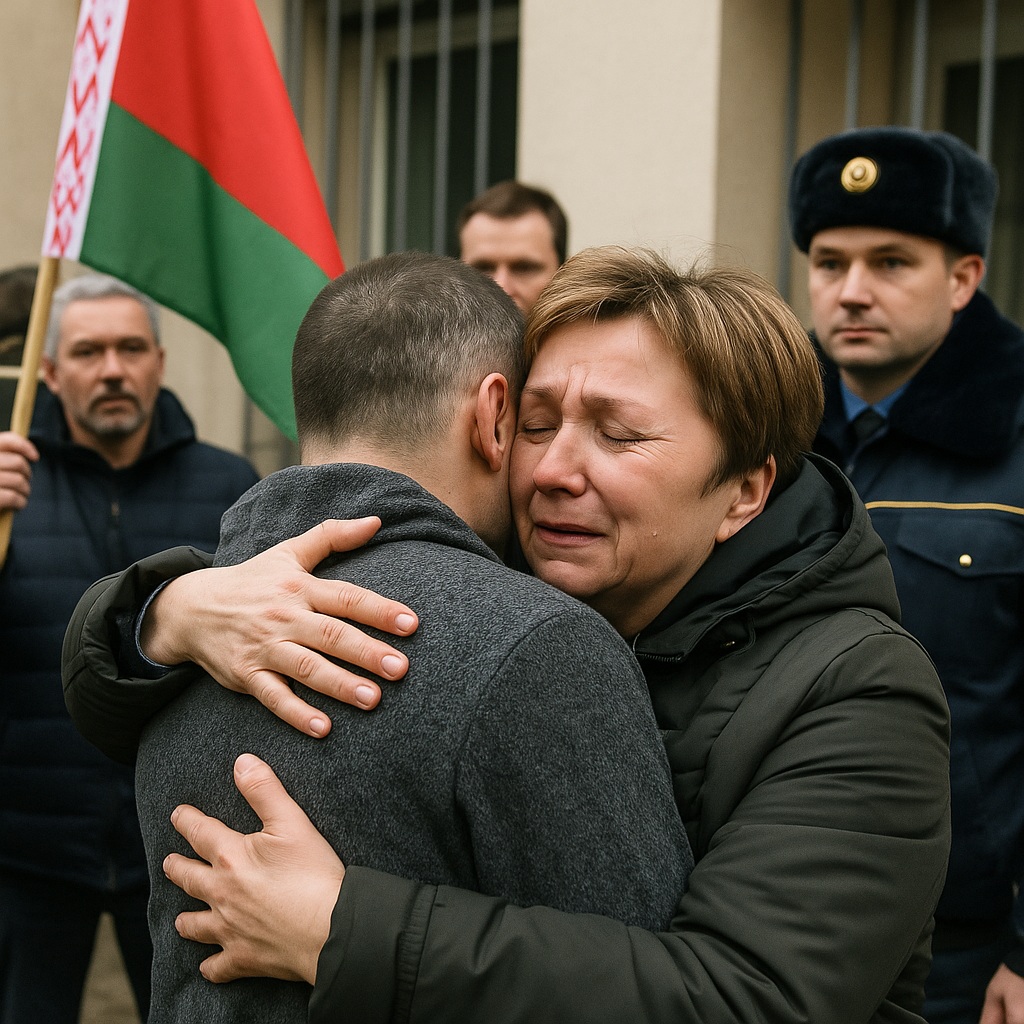
In a move that has reverberated across Eastern Europe and Western capitals alike, Belarusian authorities have released a group of long‑detained opposition figures, journalists, and civic activists, signaling what may be the most tangible shift in the country’s political posture in years. The releases come amid sustained diplomatic contacts with the United States and its partners, which in recent weeks have led to a partial easing of sanctions imposed on Minsk after its violent crackdown on dissent.
For families who have waited years for news beyond sparse letters and tightly controlled court hearings, the releases were sudden and deeply emotional. For diplomats and analysts, they were also unmistakably political. The decision appears closely tied to negotiations aimed at reducing Belarus’s international isolation while preserving the core of President Alexander Lukashenko’s grip on power.
The freed detainees include prominent opposition supporters arrested during and after the mass protests that followed the disputed presidential election of 2020, as well as activists detained in subsequent waves of repression. Many had been sentenced on charges widely described by international organizations as politically motivated, ranging from “extremism” to “organizing public disorder.”
Belarusian state media framed the releases as acts of “humanitarian consideration,” emphasizing clemency and stability. Officials avoided explicit references to sanctions or foreign pressure, consistent with Minsk’s long‑standing narrative of sovereign decision‑making. Yet multiple diplomatic sources confirm that the releases followed weeks of discreet talks involving U.S. and European intermediaries, with sanctions relief clearly on the table.
Washington, for its part, responded cautiously but positively. U.S. officials acknowledged the releases as “a constructive step” and confirmed adjustments to certain sector‑specific restrictions affecting Belarusian exports and financial transactions. The measures stopped well short of a full rollback, preserving leverage while offering Minsk limited economic breathing room.
“This is not a normalization,” said one Western diplomat involved in the discussions. “It is a test. The message is that concrete actions on human rights can lead to concrete, though reversible, responses.”
Belarus’s economy has been under sustained strain from years of sanctions, compounded by its deepening dependence on Russia. While Moscow remains Minsk’s primary political and economic backer, Belarus has quietly sought room to maneuver, particularly as the regional security environment grows more volatile. Limited engagement with the West, analysts say, offers Lukashenko both economic relief and diplomatic optionality.
For the opposition in exile, the releases are welcome but bittersweet. Many of the country’s most visible critics remain imprisoned, and thousands more have fled abroad. Opposition leaders stress that while individual freedoms restored are cause for celebration, systemic repression remains intact.
“These people should never have been jailed in the first place,” said one Belarusian activist now based in the European Union. “Their freedom is a victory, but it is also a reminder of how many others are still behind bars.”
Human rights organizations echoed that assessment, urging sustained pressure. Groups monitoring Belarus estimate that hundreds of political prisoners remain incarcerated, often under harsh conditions. They warn that selective releases, while significant, can be used strategically to deflect criticism without altering the underlying machinery of repression.
Inside Belarus, public reaction has been muted, reflecting both strict media controls and a climate of fear. Still, the news has spread quickly through private messaging channels, rekindling cautious hope among citizens exhausted by years of crackdowns and economic uncertainty.
Regionally, the development has been closely watched. Neighboring countries, particularly those in the European Union, see the move as potentially opening a narrow diplomatic channel, though few expect rapid change. Any broader rapprochement, officials stress, would depend on sustained releases, legal reforms, and an end to politically motivated prosecutions.
As the year draws to a close, Belarus stands at a familiar crossroads: balancing repression at home, reliance on Russia, and tentative outreach to the West. The release of opposition prisoners, paired with calibrated sanctions relief, suggests a tactical adjustment rather than a strategic transformation. Yet in a country where political space has long been frozen, even a slight thaw carries weight.
Whether this moment evolves into something more durable will depend on what follows. For now, the cell doors that opened have created a rare pause in Belarus’s long cycle of pressure and isolation — one closely watched by a world eager to see if cautious diplomacy can still yield results.



 The Tower Post