
A calibrated exchange signals shifting war dynamics and cautious re‑engagement between Minsk and the West
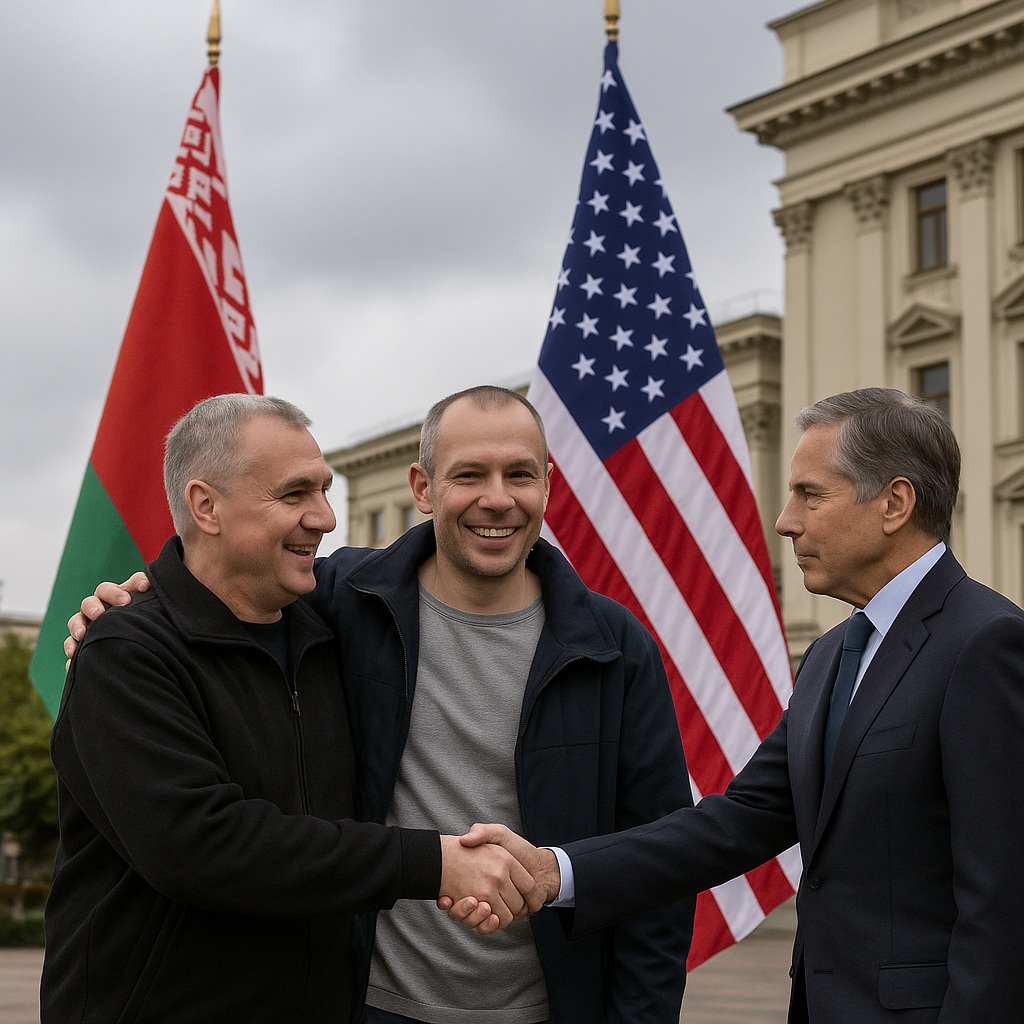
In a move that underscores the fluid diplomacy surrounding Eastern Europe’s protracted conflict, Belarus has begun releasing a group of detainees following a recalibration of sanctions by the United States. The development, unfolding in mid‑December, reflects a cautious test of trust between long‑isolated Minsk and Western capitals as the broader war landscape shows signs of transition rather than resolution.
Officials in Washington framed the sanctions adjustment as a limited and reversible step, designed to encourage humanitarian gestures without conferring full political rehabilitation on President Alexander Lukashenko’s government. Within days, Belarusian authorities confirmed the release of several prisoners, many of whom had been detained during waves of political repression that followed disputed elections and subsequent protests.
For families of the detainees, the releases brought relief mixed with uncertainty. Rights groups stressed that while any liberation is significant, the gesture does not yet amount to systemic change. “This is not a thaw; it is a signal,” said one regional analyst. “Both sides are probing how much leverage remains after years of maximum pressure.”
The timing is not incidental. As the war in neighboring Ukraine enters a new phase marked by shifting front lines, strained logistics, and renewed diplomatic maneuvering, Belarus has found itself reassessing its strategic posture. Long viewed as Moscow’s closest ally, Minsk has allowed Russian forces and equipment to operate from its territory, a stance that made it a direct target of Western sanctions. Yet Belarus has also sought to avoid deeper military entanglement, wary of domestic backlash and economic isolation.
Washington’s easing of certain restrictions focused narrowly on specific sectors and transactions, according to U.S. officials, who emphasized that core sanctions tied to democratic backsliding and security cooperation with Russia remain intact. The message was calibrated: humanitarian steps could open doors, but broader normalization would require sustained changes.
European diplomats echoed this caution, describing the prisoner releases as “welcome but insufficient.” Several governments signaled that coordination with the United States would continue, ensuring that incentives are aligned and reversible. Behind the scenes, discussions have reportedly explored confidence‑building measures that stop short of full diplomatic rapprochement.
Inside Belarus, state media presented the releases as evidence of sovereign decision‑making rather than foreign pressure. Officials avoided explicit links to sanctions, portraying the move as an act of clemency. Independent observers, however, noted the clear sequencing: policy shifts abroad followed by concessions at home.
The economic context adds another layer. Sanctions have weighed heavily on Belarus’s export‑driven economy, particularly in manufacturing and potash, while access to Western financial systems has been curtailed. Limited relief, even symbolic, offers breathing room at a moment when regional trade routes are under stress and Russian support faces its own constraints.
For Washington, the calculation is equally complex. With attention divided across multiple global crises, U.S. policymakers are seeking ways to stabilize secondary fronts without undermining core principles. Encouraging humanitarian outcomes in Belarus allows the administration to demonstrate flexibility while maintaining pressure on issues deemed non‑negotiable.
Human rights organizations remain vigilant. They warn that selective releases can be reversed and that many detainees remain behind bars. “We have seen this pattern before,” said a spokesperson for an international advocacy group. “Progress must be measured not by isolated acts, but by lasting reforms and the end of politically motivated arrests.”
As December draws to a close, the episode illustrates how sanctions, diplomacy, and human lives intersect in the gray zones of international politics. The releases do not mark an end to Belarus’s isolation, nor do they signal a dramatic realignment. Instead, they reflect a moment of recalibration, shaped by evolving war dynamics and a shared recognition that rigid standoffs carry costs.
Whether this exchange becomes a foundation for further engagement or fades into another fleeting gesture will depend on actions taken in the weeks ahead. For now, the doors have opened slightly, offering a glimpse of what conditional dialogue might achieve in a region still defined by uncertainty.
 The Tower Post