
New programme under the EU Digital Economy Package deepens digital cooperation with Africa’s largest economy, focusing on skills, infrastructure, and inclusive growth.
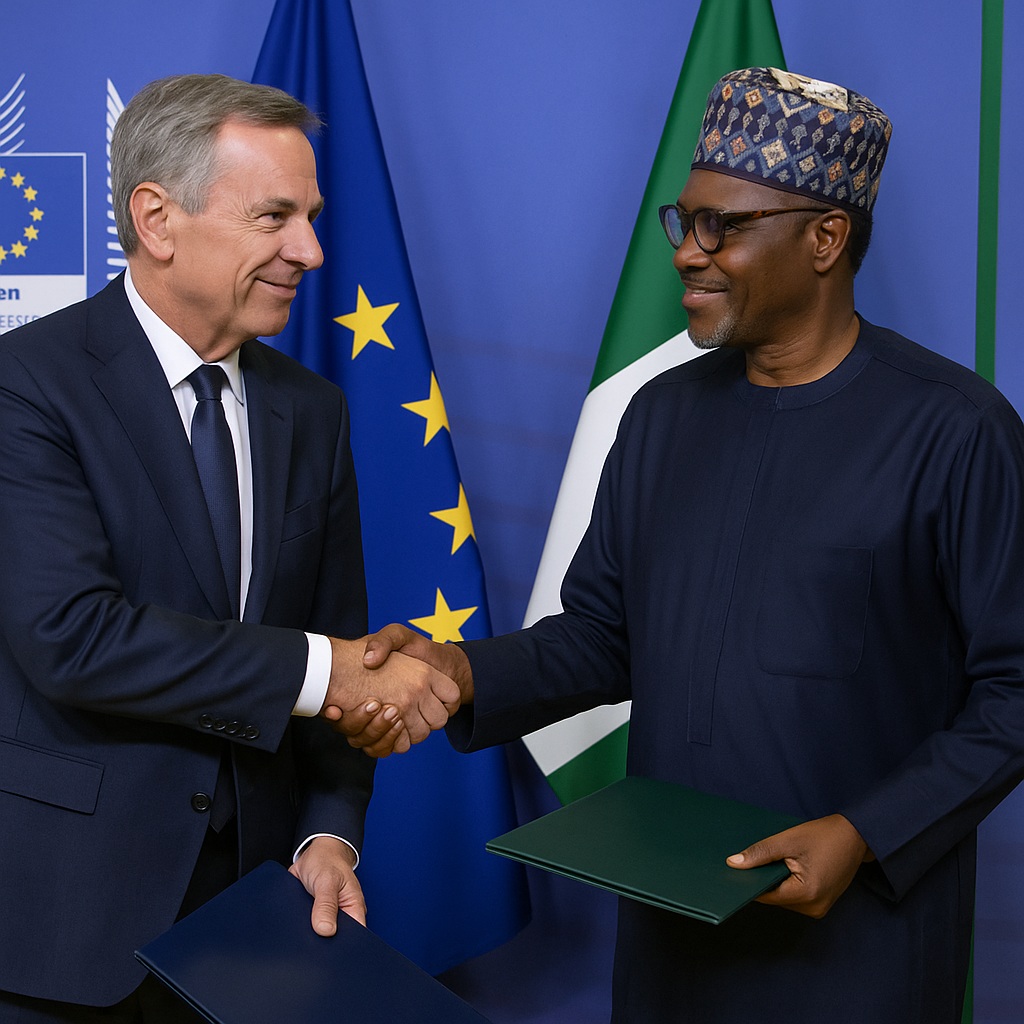
The European Union has taken a significant step to strengthen its economic and technological partnership with Nigeria, committing €45 million to support the country’s rapidly expanding digital economy. The programme, signed under the broader EU Digital Economy Package, signals a renewed push to align Europe’s digital ambitions with Africa’s fastest-growing markets, while positioning Nigeria as a central hub for innovation on the continent.
The initiative comes at a moment when Nigeria’s digital sector is both a driver of growth and a test case for inclusive development. With a large, young, and increasingly connected population, the country has emerged as a focal point for fintech, e-commerce, creative industries, and digital services. European officials describe the new commitment as a response to this momentum, aimed at translating Nigeria’s entrepreneurial energy into sustainable economic gains.
At the heart of the programme is a comprehensive approach that blends policy support, skills development, and investment in digital infrastructure. According to EU representatives, the funding is designed not only to scale up Nigeria’s digital capabilities but also to ensure that growth is broad-based, resilient, and aligned with international standards. The emphasis on regulatory frameworks, cybersecurity, and data governance reflects Europe’s own experience in shaping a rules-based digital market.
Nigerian authorities have welcomed the initiative as a timely intervention. The country has made notable progress in expanding broadband access and fostering a vibrant start-up ecosystem, yet challenges remain. Gaps in digital skills, uneven connectivity between urban and rural areas, and limited access to finance continue to constrain the sector’s full potential. The EU-backed programme seeks to address these bottlenecks by working closely with public institutions, private companies, and civil society.
One of the key pillars of the agreement is human capital development. A significant portion of the funding will be directed toward training programmes for young people, entrepreneurs, and public servants. These initiatives are expected to focus on areas such as software development, digital entrepreneurship, artificial intelligence, and digital public services. By investing in skills, the EU and Nigeria aim to ensure that technological progress translates into quality jobs and long-term competitiveness.
Infrastructure is another central component. While Nigeria has seen rapid growth in mobile connectivity, fixed broadband and reliable digital infrastructure remain uneven. The programme envisages targeted support for expanding access, improving network resilience, and promoting affordable connectivity. European officials stress that infrastructure investments will be guided by principles of sustainability and environmental responsibility, aligning with global climate goals.
Beyond national priorities, the agreement reflects a broader strategic vision. The EU Digital Economy Package is part of Europe’s wider engagement with Africa, which seeks to move beyond traditional development assistance toward partnerships based on mutual interest. By supporting Nigeria’s digital transformation, the EU aims to strengthen economic ties, facilitate trade in digital services, and foster interoperability between European and African markets.
For European companies, the programme opens new avenues for collaboration. Nigeria’s digital market offers significant opportunities in areas ranging from fintech solutions to creative content and e-governance platforms. At the same time, European policymakers underline that cooperation will be grounded in shared values, including data protection, consumer rights, and fair competition.
Analysts note that the success of the initiative will depend on effective implementation and local ownership. Previous digital programmes in the region have sometimes struggled to deliver lasting impact due to coordination challenges and shifting policy environments. Both sides emphasize that this new effort will prioritize transparency, measurable outcomes, and continuous dialogue with stakeholders.
Civil society groups have also highlighted the importance of inclusion. Ensuring that women, rural communities, and marginalized groups benefit from digital growth remains a critical challenge. The EU programme explicitly references digital inclusion as a guiding principle, with planned support for initiatives that reduce gender gaps and promote access in underserved areas.
As Nigeria continues to position itself as a digital powerhouse in Africa, the EU’s €45 million commitment underscores the growing recognition of technology as a cornerstone of economic diplomacy. The agreement reflects a shared belief that digital transformation, if managed responsibly, can drive innovation, resilience, and prosperity on both sides of the partnership.
In the closing weeks of the year, the signing of the programme sends a clear signal: Europe and Nigeria are betting on a future shaped by connectivity, skills, and cooperation. Whether this investment will fully unlock Nigeria’s digital potential will depend on how effectively ambition is translated into action, but the stakes — for jobs, growth, and global competitiveness — could hardly be higher.



 The Tower Post