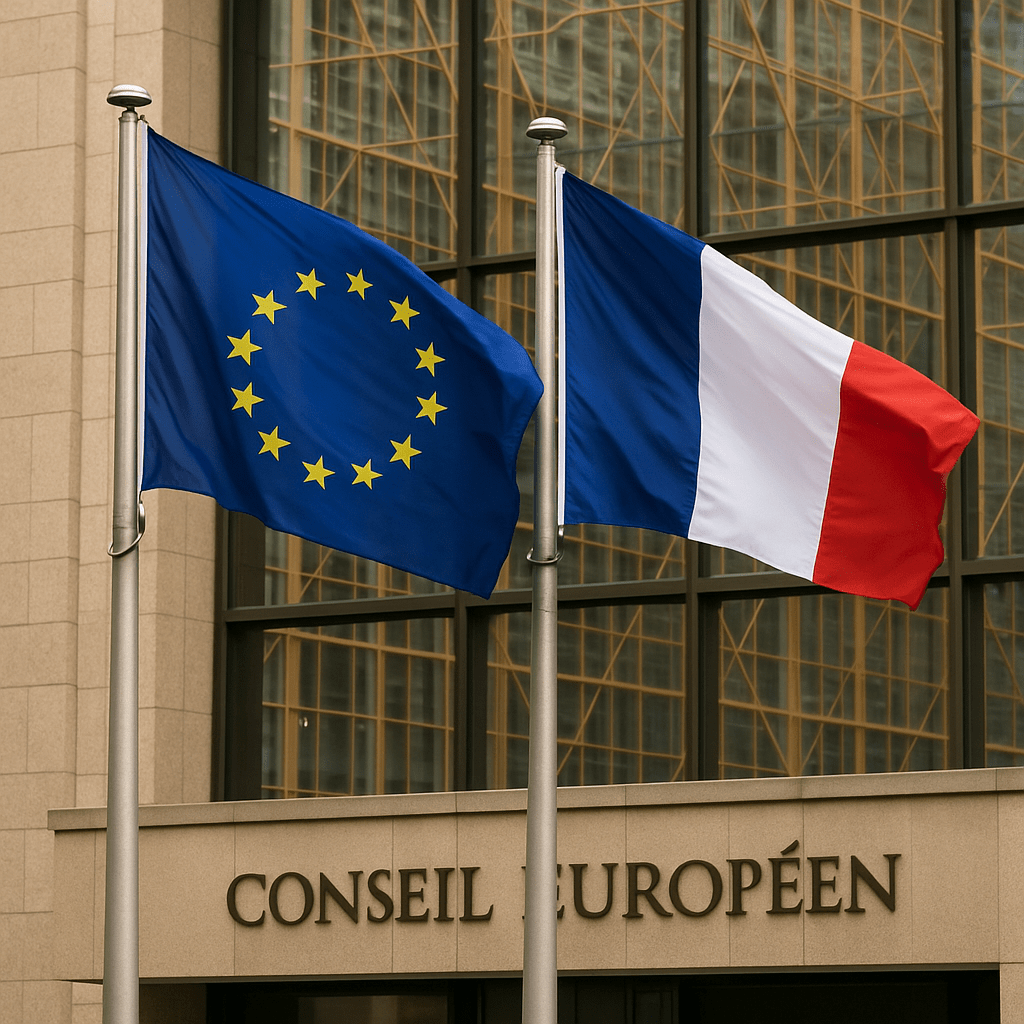
Paris urges caution as regulatory, agricultural, and environmental concerns resurface across the bloc
Brussels — France has moved to slow momentum behind the long-debated EU–Mercosur trade agreement, calling on fellow member states to refrain from voting on the pact in its current form. The intervention, made at a sensitive political juncture for the European Union, has reopened fault lines over trade liberalisation, environmental safeguards, and the future of European agriculture.
The Mercosur agreement, negotiated over more than two decades between the EU and the South American bloc comprising Brazil, Argentina, Uruguay and Paraguay, has long promised to create one of the world’s largest free trade areas. Supporters argue it would unlock export opportunities for European industry and services while strengthening geopolitical ties with Latin America. Yet France has consistently positioned itself as a leading sceptic, and its latest call for delay signals a renewed effort to reshape — or potentially stall — the accord.
According to French officials, the agreement as it stands fails to provide sufficient guarantees on environmental protection, food safety standards and fair competition for European farmers. Paris insists that asking member states to proceed to a vote without addressing these issues would be politically and economically irresponsible.
“This is not opposition for opposition’s sake,” a senior French government source said. “It is about ensuring that trade policy aligns with Europe’s climate ambitions, its social model, and the expectations of its citizens.”
At the heart of France’s concerns lies agriculture. European farmers, particularly in France, fear that increased imports of beef, poultry and sugar produced under different regulatory regimes could undercut domestic producers. Farming unions have repeatedly warned that the deal would expose them to unfair competition from large-scale South American agribusinesses that do not face the same environmental or animal welfare constraints.
Environmental issues have also returned to the forefront of the debate. Critics argue that the agreement does not include robust, enforceable mechanisms to prevent deforestation or biodiversity loss, especially in sensitive ecosystems such as the Amazon. While the European Commission maintains that sustainability chapters and parallel commitments offer safeguards, opponents say these provisions lack legal teeth.
The French position has found quiet sympathy among several other EU countries, including those with strong agricultural sectors or fragile domestic political balances. However, it also risks frustrating member states that see the deal as a strategic necessity at a time of growing global trade fragmentation.
Germany, Spain and several Nordic countries have signalled openness to moving forward, viewing the agreement as a way to diversify supply chains and reinforce Europe’s role as a champion of rules-based trade. For them, delaying the vote could weaken the EU’s credibility as a negotiating partner and strain relations with Latin American governments that have already made concessions.
The European Commission has so far sought to strike a careful tone, acknowledging concerns while defending years of negotiations. Commission officials stress that reopening the text could unravel delicate compromises and send a negative signal to international partners.
Still, France’s insistence on a pause underscores a broader shift in European trade politics. Trade agreements are no longer assessed solely on economic gains, but increasingly through the lenses of climate policy, public health, and social cohesion. This evolution has made ratification processes more complex and politically charged.
In Paris, domestic considerations are impossible to ignore. Rural discontent, farmer protests and rising scepticism toward globalisation have sharpened the government’s sensitivity to trade issues. By pushing for a delay, France positions itself as a defender of agricultural interests and environmental standards, even as it faces criticism from business groups eager for expanded market access.
Across the Atlantic, Mercosur countries are watching developments with growing impatience. Leaders in Brazil and Argentina have warned that prolonged uncertainty could erode trust and push South America to deepen ties with other global partners. They argue that the agreement already reflects significant compromises and that further delays risk rendering years of diplomacy meaningless.
As the year draws to a close, the future of the EU–Mercosur deal once again hangs in the balance. France’s call to delay a vote has reignited a debate that goes to the core of Europe’s identity: how to balance openness with protection, ambition with caution, and global engagement with domestic priorities.
Whether the pact is eventually amended, postponed or abandoned altogether, the current standoff makes one thing clear. In today’s Europe, trade policy is no longer a technocratic exercise carried out behind closed doors, but a deeply political choice — and one that member states like France are increasingly willing to contest openly.


 The Tower Post