
Brussels moves to recalibrate electric vehicle targets amid industry pressure, raising questions about emissions, jobs, and Europe’s clean-transport trajectory.
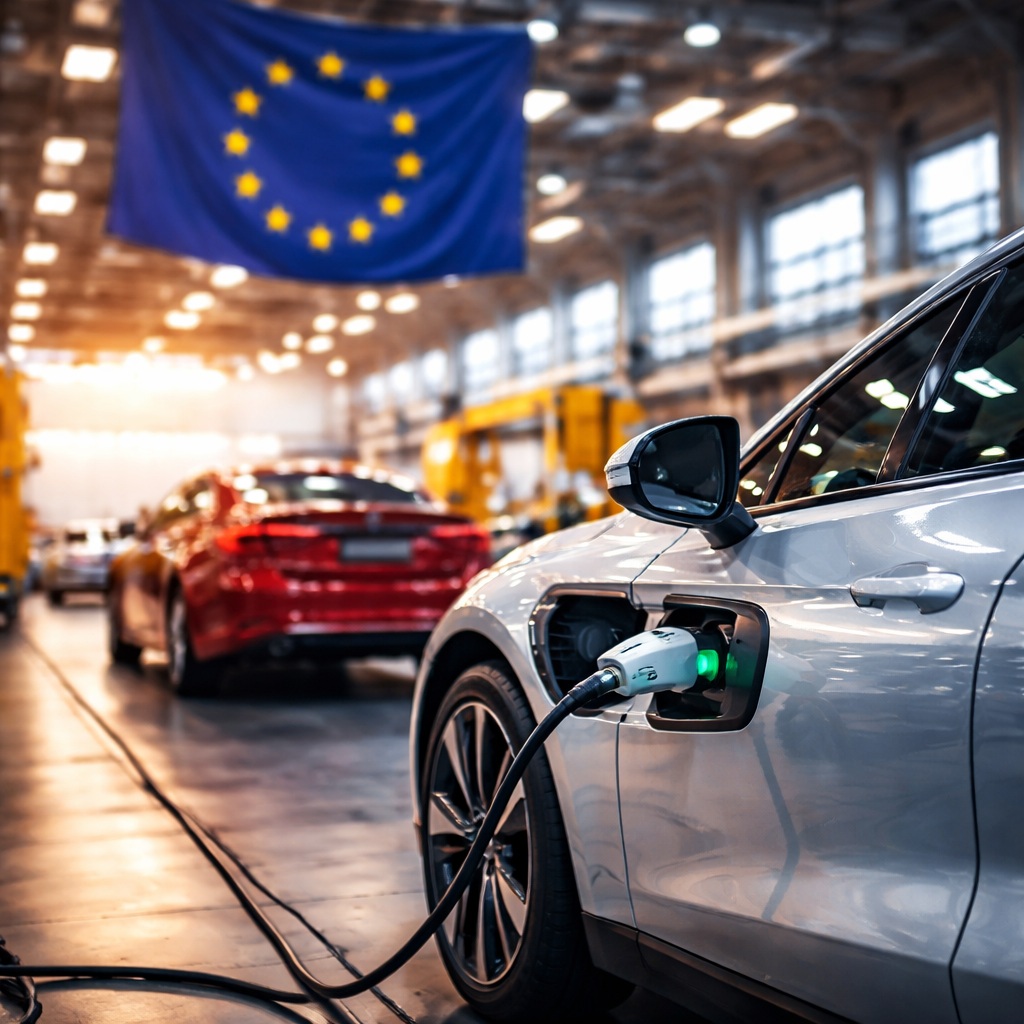
Brussels — The European Union is preparing to soften the edges of its landmark plan to end the sale of new combustion-engine cars, responding to months of mounting pressure from automakers who warn that the pace of electrification is colliding with economic reality. The shift, now taking shape inside the European Commission, signals a pragmatic recalibration rather than a wholesale retreat, but it underscores how difficult Europe’s green transition has become as industrial, social, and geopolitical stresses converge.
At the center of the debate is the EU’s commitment to move road transport decisively toward electric mobility. The policy, once celebrated as a cornerstone of Europe’s climate leadership, has increasingly become a lightning rod. Car manufacturers argue that demand for electric vehicles has not grown fast enough, charging infrastructure remains uneven across member states, and production costs — particularly for batteries — are exposing European firms to fierce competition from global rivals.
Senior EU officials say the goal of climate neutrality remains intact, but acknowledge that timelines and compliance mechanisms may need to be adjusted. The emerging approach would offer automakers greater flexibility in how they meet emissions targets, potentially extending the life of hybrid technologies and allowing limited room for alternative fuels. The intention, according to officials familiar with the discussions, is to protect jobs and industrial capacity without abandoning the broader decarbonization strategy.
Industry pressure has been intense and unusually unified. Europe’s largest carmakers, along with suppliers and national governments from automotive-heavy economies, have warned that a rigid phaseout risks factory closures and loss of technological leadership. Executives have pointed to slowing EV sales in key markets, higher borrowing costs for consumers, and lingering concerns about charging availability, particularly in rural and southern regions of the bloc.
The Commission’s reassessment reflects a broader shift in tone in Brussels. After years of ambitious rulemaking under the Green Deal, policymakers are increasingly focused on implementation risks. The war on the EU’s eastern flank, trade tensions with China, and worries about deindustrialization have all fed into a more cautious approach. Climate policy, once framed primarily as an opportunity, is now also treated as a vulnerability if mismanaged.
Environmental groups have reacted with alarm, warning that any dilution of the combustion-engine phaseout could undermine Europe’s credibility and slow emissions reductions in one of the hardest sectors to decarbonize. Road transport remains a major source of greenhouse gases, and campaigners argue that regulatory certainty is essential to drive investment in clean technologies. They fear that flexibility today could become a loophole tomorrow.
Supporters of the policy adjustment counter that realism is not the same as retreat. They argue that consumers cannot be forced into electric vehicles if prices remain high and infrastructure patchy. A smoother transition, they say, could ultimately deliver deeper emissions cuts by keeping public support intact and avoiding backlash against climate measures perceived as disconnected from daily life.
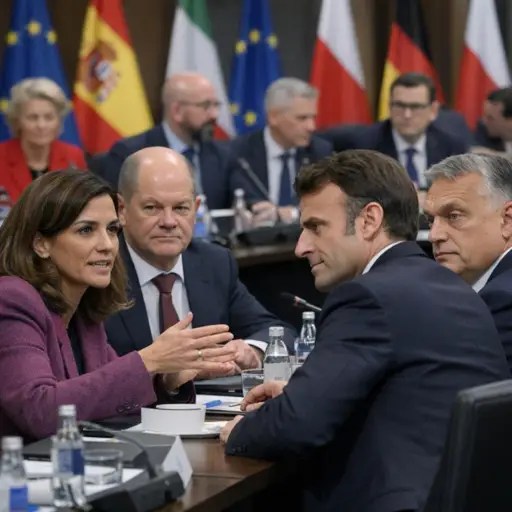
The debate also exposes fractures within the single market. Wealthier northern countries, where EV adoption is higher and charging networks more developed, tend to favor sticking closely to existing targets. Southern and eastern member states, with lower incomes and older vehicle fleets, have been more receptive to calls for flexibility. The Commission now faces the delicate task of crafting a compromise that does not widen these divides.
Globally, Europe’s move will be closely watched. The EU has long positioned itself as a regulatory pace-setter, and its automotive rules have influenced standards far beyond its borders. A softer approach could embolden other regions to slow their own transitions, while a carefully framed adjustment might offer a template for balancing climate ambition with industrial resilience.
For consumers, the immediate impact is likely to be subtle. Electric vehicles will continue to roll out, supported by incentives and tightening emissions standards. But the messaging may change, with greater emphasis on choice and gradualism rather than hard cutoffs. Automakers, for their part, are expected to continue investing in electrification, even as they seek breathing room to manage the transition.
As Brussels moves toward a formal proposal, the political stakes are high. The combustion-engine debate has become a proxy for a larger question: how fast Europe can transform its economy while maintaining competitiveness and social cohesion. The answer, still taking shape, will help define the next phase of the EU’s climate journey.


 The Tower Post