
Diplomatic tensions sharpen as London and Moscow trade accusations, while European governments close ranks around Ukraine and accelerate defense cooperation.
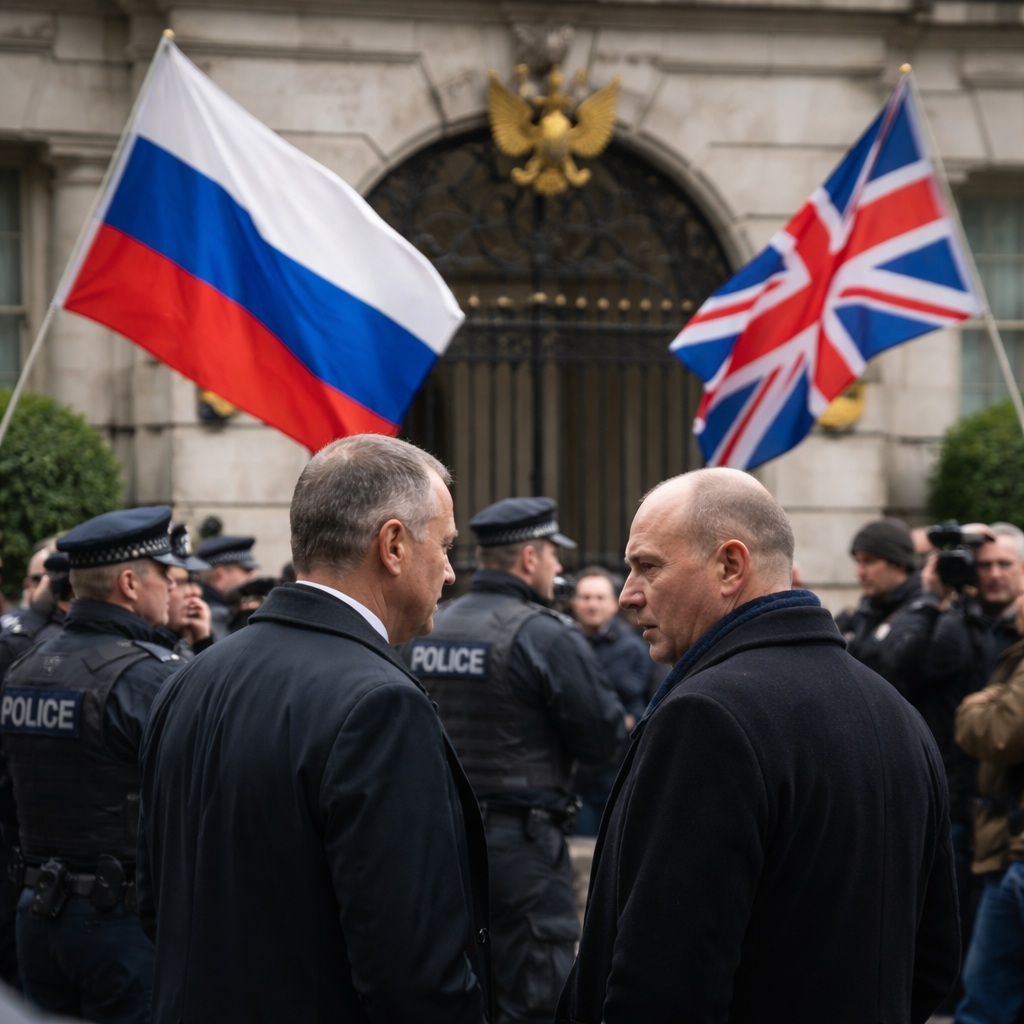
The Russian embassy in London has issued a sharply worded rebuttal after the head of Britain’s foreign intelligence service accused Moscow of pursuing a campaign of “bullying” against the United Kingdom and its allies. The exchange, unfolding against a backdrop of heightened security concerns across Europe, underscores how relations between Russia and the West remain locked in a deep freeze, with diplomacy increasingly conducted through public statements rather than private channels.
In remarks delivered earlier this week, the MI6 chief warned that Russia was using intimidation, covert pressure, and aggressive rhetoric as tools of statecraft, not only toward Ukraine but also toward countries providing Kyiv with military and political support. The speech, framed as a call for vigilance, argued that European democracies were facing a sustained challenge from what he described as Moscow’s willingness to test boundaries and exploit divisions.
The Russian embassy swiftly rejected the claims, calling them “groundless” and “politically motivated.” In a statement circulated to British media, diplomats accused London of stoking hysteria to justify higher defense spending and deeper involvement in the conflict in Ukraine. The embassy insisted that Russia posed no threat to the British public and argued that the accusations were part of a broader pattern of what it described as hostile rhetoric emanating from Western capitals.
“This is not the language of dialogue,” the statement said, adding that intelligence chiefs should refrain from what it characterized as megaphone diplomacy. The embassy maintained that Russia’s actions were defensive in nature and accused the UK of ignoring its own role in escalating tensions through arms deliveries and intelligence cooperation with Ukraine.
The clash of words reflects a wider deterioration in trust that has been building for years but has accelerated since the war in Ukraine entered its protracted phase. With front lines largely static but the political stakes as high as ever, intelligence agencies and diplomatic missions have become prominent actors in shaping public narratives.
British officials, while stopping short of responding point by point to the embassy’s statement, defended the MI6 chief’s right to speak openly. Government sources said the comments were intended to prepare the public for a long period of strategic competition and to underline the seriousness with which London views Russia’s activities, including alleged cyber operations and influence campaigns.
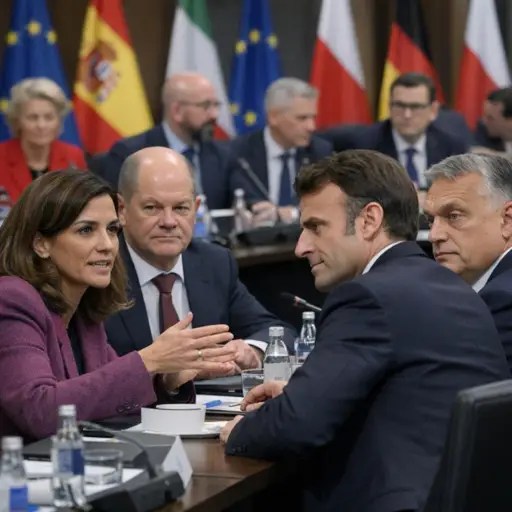
Across Europe, the controversy has landed at a moment of renewed coordination. Several governments have recently reaffirmed their commitment to Ukraine, pledging sustained military assistance and financial support. At the same time, European leaders have been discussing ways to strengthen collective defense, including joint procurement of weapons systems, expanded intelligence sharing, and closer integration between national armed forces.
For officials in Brussels and other capitals, the exchange between London and Moscow serves as a reminder that the conflict’s implications extend far beyond the battlefield. “This is about the security architecture of Europe,” said one senior European diplomat, speaking on condition of anonymity. “Statements like these show how little common ground remains, and why cooperation among allies is essential.”
Russia, for its part, has repeatedly accused European nations of acting as de facto participants in the war. The embassy’s response echoed a familiar line from Moscow, portraying NATO countries as provoking instability while ignoring Russia’s security concerns. Analysts note that such messaging is aimed not only at foreign audiences but also at domestic ones, reinforcing the narrative that Russia is under siege from a hostile West.
Security experts say the public nature of the dispute is significant. Intelligence chiefs traditionally operate in the shadows, but in recent years they have taken on a more visible role, delivering speeches and interviews intended to shape public understanding of threats. This shift, according to analysts, reflects the hybrid nature of modern conflict, where information and perception are as important as troop movements.
“The fact that an MI6 chief is speaking so bluntly tells you something about the moment we’re in,” said a former British diplomat. “And the equally blunt response from the Russian embassy shows that Moscow is comfortable engaging in that arena.”
Meanwhile, the situation in Ukraine continues to loom over every diplomatic exchange. European governments remain wary of fatigue setting in among their populations, particularly as economic pressures persist. By emphasizing the idea of Russian “bullying,” Western officials appear intent on framing support for Ukraine as a matter of defending democratic norms and national sovereignty.
Whether such rhetoric will harden positions further or eventually give way to renewed dialogue remains uncertain. For now, the latest war of words suggests that relations between Russia and the UK, and between Moscow and much of Europe, are likely to remain confrontational. As winter deepens and political calendars turn toward a new year, neither side shows signs of stepping back from its chosen narrative.
In this climate, diplomacy is increasingly conducted in public view, with statements calibrated as much for domestic consumption as for foreign ears. The Russian embassy’s pushback and the MI6 chief’s warning are two sides of the same coin: signals sent not in the hope of immediate compromise, but to define the terms of a long and uneasy standoff.



 The Tower Post