
The fast-fashion giant blends artificial intelligence with real models, accelerating production while redefining the role of photography in retail.
Zara has entered a new phase of its digital transformation, turning to artificial intelligence to generate fashion imagery that is faster to produce and easier to adapt across markets. The move signals a decisive shift in how one of the world’s most influential fashion retailers approaches visual storytelling, at a moment when speed, flexibility, and cost efficiency have become as critical as creativity itself.
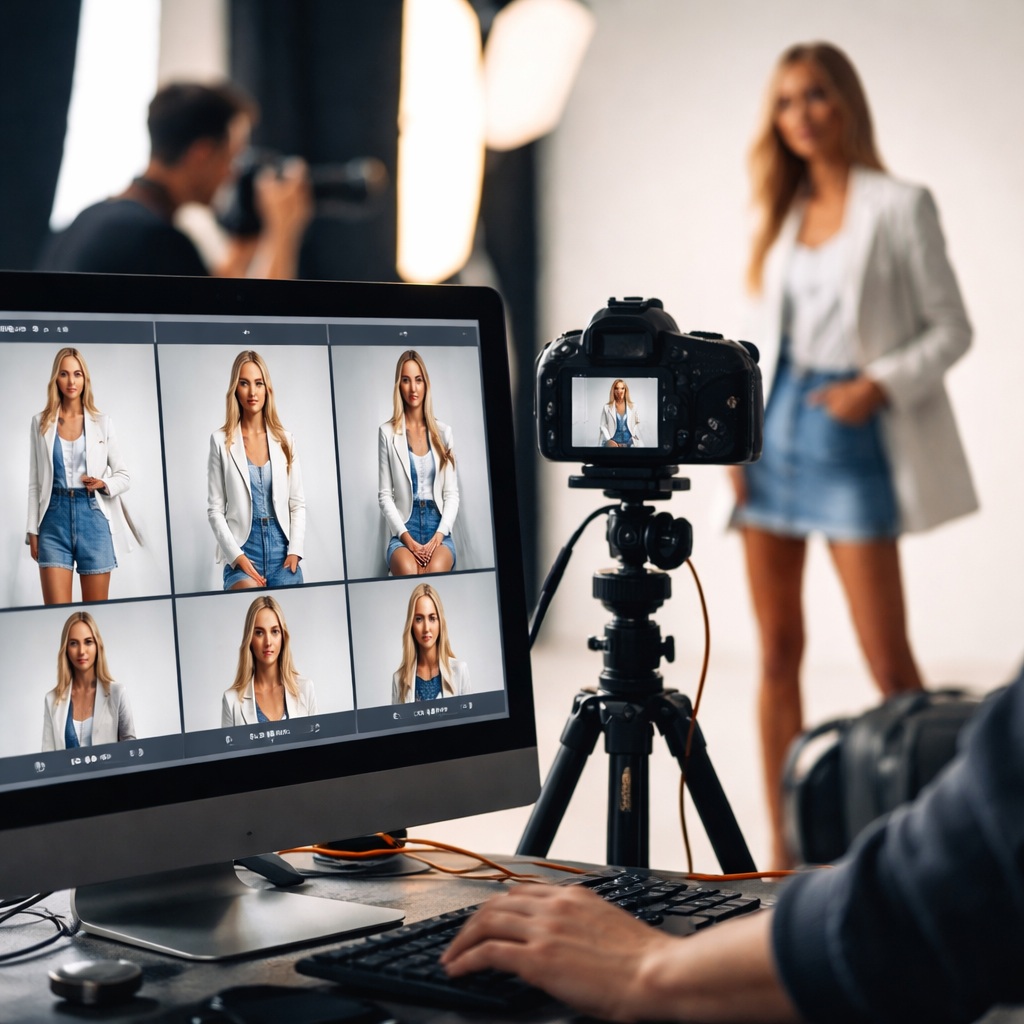
In recent months, Zara has begun using AI-driven image generation tools to create campaign visuals and e-commerce content based on photographs of real models. Instead of fully synthetic faces or bodies, the system works from existing shoots, enhancing, recomposing, or extending images through machine learning. The result is imagery that maintains a human presence while dramatically reducing the time needed to deliver final assets.
This hybrid approach reflects a careful balance. Zara is not abandoning traditional fashion photography altogether. Instead, it is layering AI on top of established processes, allowing a single shoot to yield a far broader range of visuals. Outfits can be showcased in multiple poses, environments, or lighting conditions without repeating expensive and time-consuming sessions. For a brand built on rapid turnover and constant novelty, the efficiency gains are significant.
Executives close to the strategy describe AI imagery as a natural extension of Zara’s fast-fashion model. The company has long relied on tight feedback loops between design, production, and retail floors. By compressing the time required to produce visuals, Zara can align marketing materials more closely with what is actually available in stores, reducing mismatches between campaigns and inventory.
The adoption of AI-generated imagery also reflects broader changes in consumer behavior. Online shoppers expect constant updates, diverse styling options, and visuals tailored to different platforms. Static seasonal campaigns no longer suffice. AI allows Zara to refresh images continuously, adapting them for regional tastes or specific digital channels without restarting the creative process from scratch.
Still, the shift raises questions about the future of creative work in fashion. Photographers, stylists, and retouchers are watching closely as AI tools take on tasks once handled manually. Zara’s leadership has emphasized that human creativity remains central, arguing that AI functions as an accelerator rather than a replacement. Creative teams set the aesthetic direction, while algorithms execute variations at scale.
Industry analysts note that Zara’s approach may set a precedent for other global retailers. Unlike experimental uses of AI seen in niche brands or limited campaigns, Zara is integrating the technology into core operations. If successful, it could redefine standard practices for fashion imagery, pushing competitors to follow suit.
There are also ethical and regulatory considerations. Transparency about how images are produced is becoming increasingly important, especially as consumers grow more aware of AI’s role in media. By grounding its visuals in real models, Zara appears to be sidestepping some of the controversies associated with fully synthetic representations, while still benefiting from automation.
As the year draws to a close, Zara’s move underscores a broader reality: fashion imagery is no longer just about capturing a moment, but about generating adaptable visual systems. In blending human presence with artificial intelligence, Zara is betting that the future of fashion photography lies not in choosing between technology and tradition, but in making them work together.




 The Tower Post