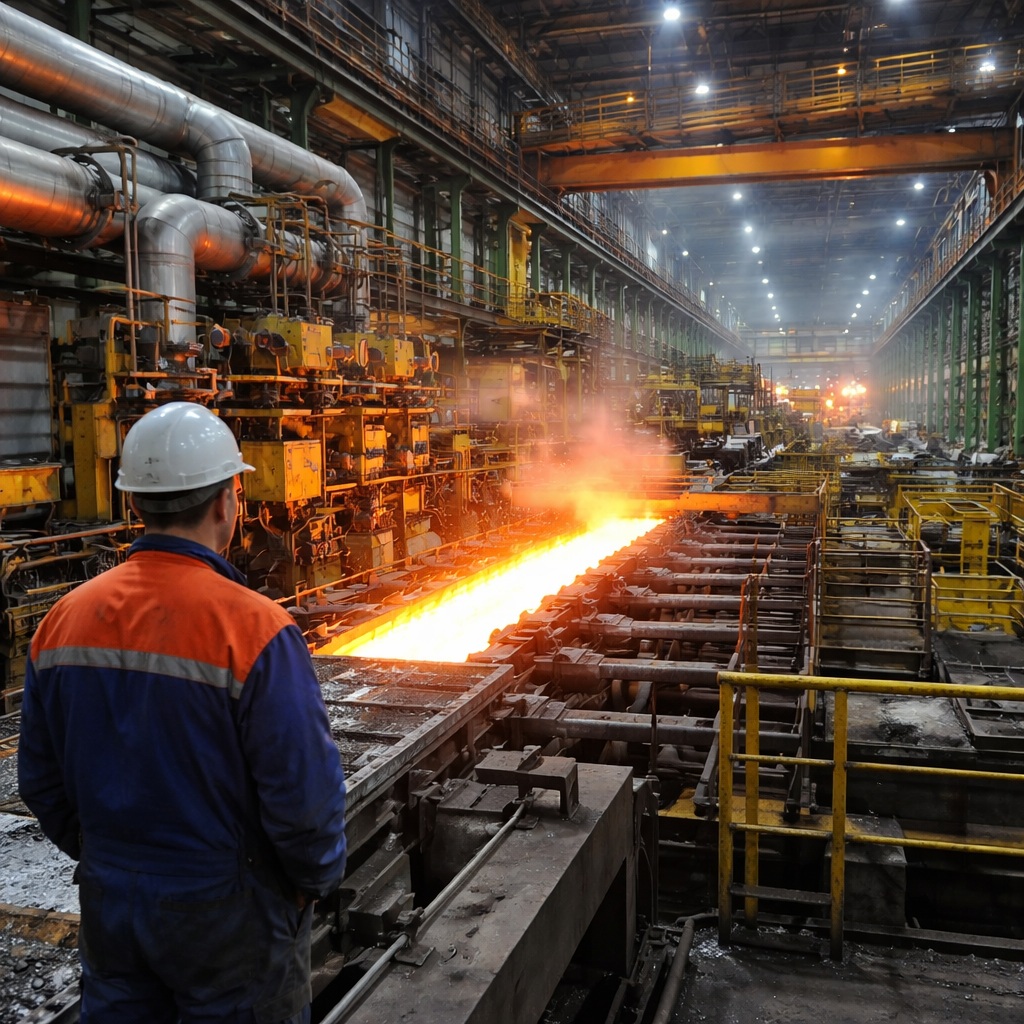
Lower energy costs offer relief, but structural weaknesses and weak demand keep the continent’s industrial recovery uneven.

Europe’s factories are breathing a little easier this winter. Gas prices, once the most visible symbol of the continent’s vulnerability, have settled at levels that would have seemed unthinkable during the energy shock that followed the outbreak of war in Ukraine. Storage sites are comfortably filled, emergency measures have faded into the background, and policymakers speak less often about rationing and survival.
Yet as the year draws to a close, Europe’s industrial engine remains stubbornly underpowered. Cheaper gas has eased pressure on balance sheets, but it has not delivered the broad-based revival many had hoped for. Across key sectors—from chemicals and steel to automotive and paper—production is patchy, investment is cautious, and confidence fragile. The result is an uneven recovery that mirrors deeper structural challenges in Europe’s economy.
For energy-intensive industries, the fall in gas prices has been a necessary but insufficient condition for recovery. Chemical producers, long seen as bellwethers of industrial health, have benefited from lower input costs, but many plants are still running below capacity. Executives cite weak global demand, particularly from China, and intense competition from regions with structurally cheaper energy. Some facilities mothballed during the energy crisis have reopened; others remain idle, their future uncertain.
Steelmakers tell a similar story. Energy costs matter, but so do construction activity, infrastructure spending, and trade flows. With building markets subdued and imports rising, European steel producers struggle to translate cheaper gas into higher output. Margins have improved from crisis lows, yet they remain thin, leaving little room for large-scale investment in modernization or decarbonization.
The automotive sector, often viewed as Europe’s industrial crown jewel, illustrates how energy relief can be overshadowed by broader headwinds. Carmakers are no longer grappling with runaway power bills, but they face a slowing consumer environment, intense competition in electric vehicles, and complex supply chain adjustments. Lower energy prices help factories run more efficiently, but they do not resolve strategic questions about technology, scale, and global positioning.
Small and medium-sized manufacturers, which form the backbone of Europe’s industrial ecosystem, feel the mixed picture most acutely. For many, energy bills have fallen sharply, restoring some breathing space after months of emergency cost-cutting. But access to finance remains tight, orders are volatile, and hiring plans are on hold. Business owners describe a sense of relief without optimism: survival is easier, growth still elusive.
Part of the problem lies beyond Europe’s borders. Global trade has lost momentum, and geopolitical tensions continue to cloud investment decisions. European exporters face softer demand in key markets, while supply chains are being reconfigured in ways that do not always favor the continent. Cheaper gas helps with competitiveness, but it cannot fully offset slower world growth or shifting trade patterns.
Domestic factors also weigh heavily. High interest rates, while beginning to ease, have dampened investment appetite. Public finances in many countries are strained, limiting the scope for large industrial support programs. Meanwhile, regulatory complexity and uncertainty around climate policy timelines make long-term planning difficult, particularly for energy-intensive sectors that must invest heavily to meet emissions targets.
The uneven impact of lower gas prices has highlighted differences within Europe itself. Countries with diversified industrial bases and stronger fiscal positions have weathered the past years more effectively. Others, especially those heavily reliant on a narrow set of energy-intensive industries, continue to lag. This divergence is feeding political debates about state aid, industrial strategy, and the balance between competition and protection.
Policymakers insist that the worst is over. Energy security has improved, markets are calmer, and the immediate threat of industrial collapse has receded. Attention is shifting from crisis management to competitiveness: how to ensure that European industry can thrive in a world of decarbonization, digitalization, and geopolitical fragmentation.
There is cautious hope that cheaper and more stable energy prices can support this transition. Predictable costs make it easier to plan investments in efficiency, electrification, and low-carbon technologies. But industry leaders warn that energy is only one piece of the puzzle. Without stronger demand, clearer policy signals, and a more supportive investment environment, the tailwind risks dissipating before it can lift output meaningfully.
As winter settles in, Europe’s factories are no longer fighting for survival, but they are not yet back in full stride. The gas price shock has faded, replaced by a quieter, more complex challenge: how to turn relative energy relief into lasting industrial renewal. For now, the answer remains uncertain, and the recovery, uneven.


 The Tower Post