
Kering’s Staged Acquisition of Raselli Franco Aims to Consolidate Jewelry Supply Chain and Boost Craftsmanship Capabilities
French Luxury Group Kering Takes Major Step in Jewelry Sector with Raselli Franco Deal
In a move indicating a deepening commitment to vertical integration and manufacturing excellence, French luxury conglomerate Kering has formalized an agreement to acquire a strategic stake in Raselli Franco Group, a storied Italian jewelry manufacturer. Announced this week, the deal marks a signature acquisition for Kering under its new leadership, spotlighting an industry trend towards consolidating key pieces of the luxury supply chain.
The staged acquisition begins with Kering taking a minority equity position in the company, with clearly defined steps toward full ownership by the early 2030s. While final regulatory approvals are still underway, the transaction is designed to give the luxury group long-term control over one of the most respected production platforms in Europe’s high jewelry sector.
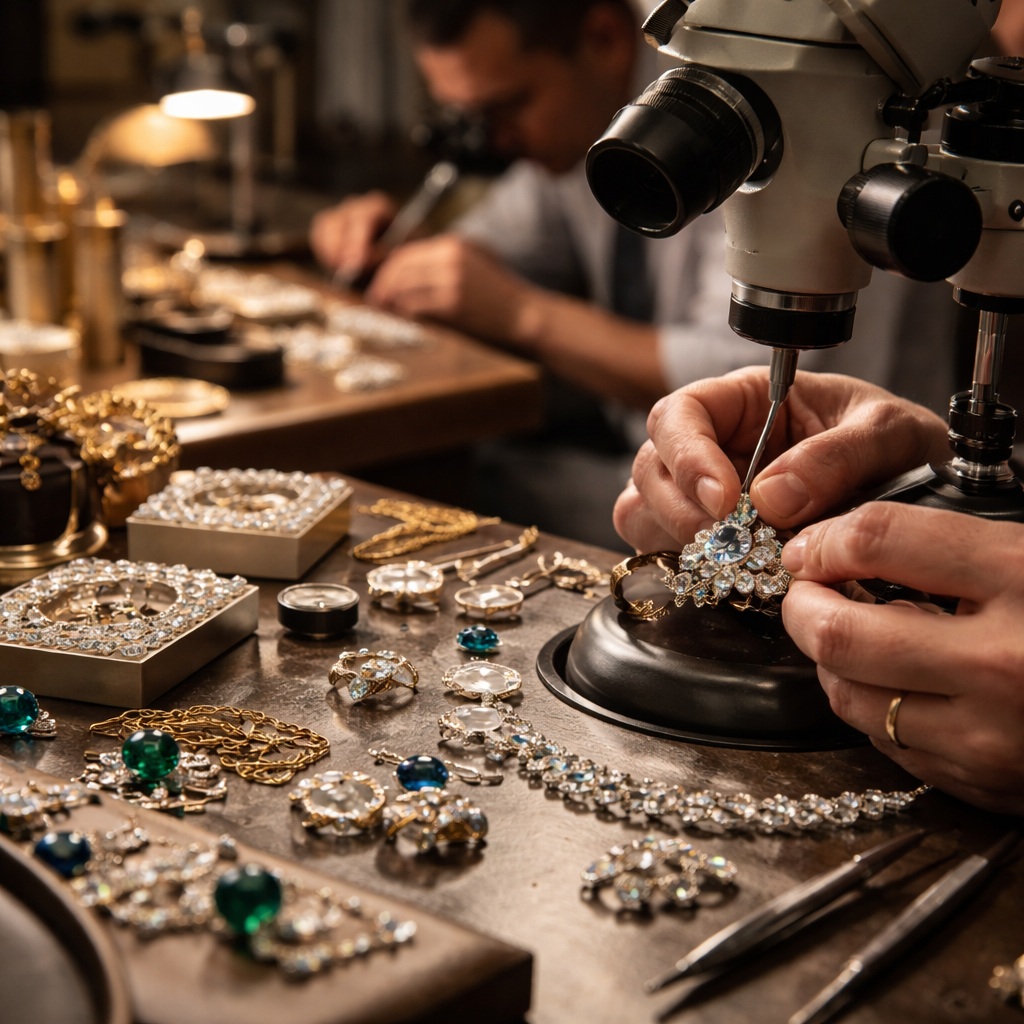
Founded in the late 1960s, Raselli Franco has established itself as a leading partner to elite jewelry brands through decades of specialism in prototyping, metalwork, precious stone handling and finished pieces. The company’s footprint spans the entire value chain—from sourcing and design to final assembly and quality assurance—a rare breadth of capability that positioned it as a strategic collaborator for Kering’s jewelry houses.
A Strategic Move on the Value Chain
Luxury conglomerates increasingly seek to control both creativity and the means of production in order to mitigate supply risks and maintain stringent quality standards. Kering’s move reflects this overarching strategy. By internalizing a key manufacturing partner, the group aims to secure critical production capacity and align craftsmanship with the evolving market demands for traceability, sustainability and design excellence.
Speaking to the strategic rationale behind the deal, Kering’s leadership underlined that the acquisition reinforces its value chain resilience and supports future growth for its jewelry maisons, including Boucheron, Pomellato, DoDo and Qeelin. These brands have shown robust momentum in recent reporting periods, particularly in markets across the United States and Asia.
Industry analysts observe that by bringing production capabilities closer to the corporate core, Kering is positioning itself ahead of competitors that still rely heavily on external suppliers for key components. This development is being watched closely by other luxury groups, as control over upstream processes becomes a differentiator in an era where sustainability credentials and artisanal provenance weigh heavily in consumer choice.
Italian Heritage Meets French Luxury Ambition
The acquisition confirms Raselli Franco’s status as one of Europe’s most capable jewelry manufacturers—a heritage business whose artisanal expertise has been cultivated over generations. Located in northern Italy’s jewelry heartland, the company has long been known among elite design houses for the precision and quality of its craftsmanship, from traditional casting to advanced CNC techniques.
For Raselli Franco, the partnership offers expanded resources and security in an increasingly competitive sector. Long a supplier to Kering’s jewelry portfolio, the company will gain stronger financial backing while maintaining a commitment to high standards and innovation. Company executives have publicly highlighted their shared values with Kering— including excellence, agility and sustainability—framing the deal as an opportunity to serve luxury maisons with even greater capability.
Market Implications and Strategic Outlook
Analysts suggest that Kering’s investment into Raselli Franco aligns with broader trends in the luxury industry, where conglomerates strive to balance creativity with operational stability. By shoring up its jewelry supply chain, Kering will likely improve delivery timelines, ensure quality consistency and reinforce its messaging around sustainability—all critical factors in appealing to discerning high-end consumers.
The phased nature of the acquisition—beginning with a minority stake and progressing toward full ownership—provides Kering with flexibility in managing integration while upholding existing operational strengths within Raselli Franco. For the global luxury market, this move is seen as a bellwether for future deals that underscore supply-chain consolidation and craftsmanship preservation.
As the luxury jewelry segment continues to gain traction worldwide, bolstered by resilient demand and shifting consumer preferences toward meaningful, well-crafted goods, Kering’s strategic bet on Raselli Franco may well shape the competitive landscape in the years ahead.




 The Tower Post