
A gripping final caps a record-setting world tournament co-hosted by Germany and the Netherlands
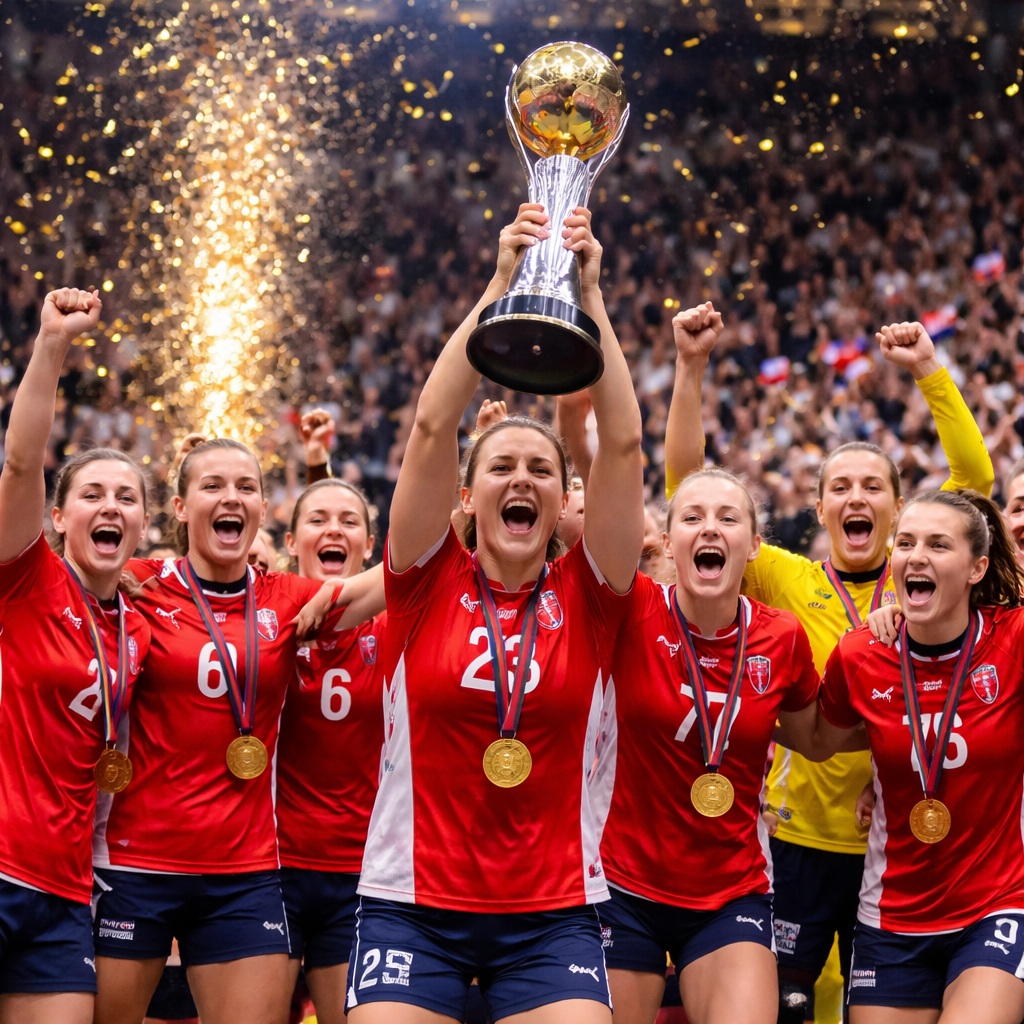
The World Women’s Handball Championship concluded this week with Norway once again standing at the top of the sport, lifting the trophy after a tense and finely balanced final that kept fans on edge until the closing moments. The championship, co-hosted by Germany and the Netherlands, brought together the global elite of women’s handball and delivered a tournament marked by intensity, quality, and growing international depth.
Norway’s victory confirmed its enduring status as a powerhouse in the women’s game. In a final decided by narrow margins, the Scandinavian side relied on its trademark blend of tactical discipline, physical resilience, and experience under pressure. The decisive phase of the match saw Norway withstand repeated challenges from an inspired opponent, demonstrating the calm and collective strength that has become its signature on the world stage.
Beyond the final result, this edition of the championship will be remembered for its atmosphere and reach. Organizers reported record-breaking attendance across venues in both host nations, with packed arenas and vibrant crowds reflecting the rising popularity of women’s handball. From opening matches to the medal games, fan engagement remained consistently high, underlining the sport’s growing appeal across Europe and beyond.
The co-hosting arrangement between Germany and the Netherlands proved a logistical and cultural success. Modern arenas, efficient transport links, and coordinated organization allowed the tournament to move smoothly between cities, while fans embraced the chance to experience matches in different settings. The hosts also benefited on the court, with both teams delivering competitive performances that energized local supporters and reinforced the championship’s celebratory tone.
One of the most significant narratives of the tournament was the emergence of new contenders. Teams from five continents registered landmark victories and pushed established powers to their limits. Several nations reached advanced stages for the first time or recorded historic results, signaling a gradual narrowing of the gap between traditional favorites and ambitious challengers. Coaches and analysts alike pointed to improved youth development, professional leagues, and international exposure as key drivers of this progress.
Africa, Asia, and the Americas were particularly well represented, with multiple teams displaying faster pace, improved defensive organization, and greater confidence in high-pressure situations. These performances did more than add variety to the competition; they reshaped expectations and hinted at a more unpredictable global landscape in the years ahead.
For Norway, the title run was also a testament to continuity. Veterans provided leadership in crucial moments, while younger players stepped forward with composure, suggesting a smooth generational transition. The team’s ability to adapt tactically from match to match was widely praised, especially in knockout games where fine details made the difference between advancement and elimination.
As the championship closes in late December, attention already turns to the future. The success of this tournament has strengthened calls for expanded investment in women’s handball, from grassroots programs to elite competitions. With record crowds, competitive balance, and compelling storylines, the event delivered a clear message: women’s handball is not only growing, but thriving on the world stage.
The final whistle may have sounded, but the impact of this championship will resonate well beyond the arena lights. For players, fans, and federations alike, the tournament offered a powerful snapshot of a sport in confident motion—one that looks ahead with ambition, inclusivity, and renewed global energy.



 The Tower Post