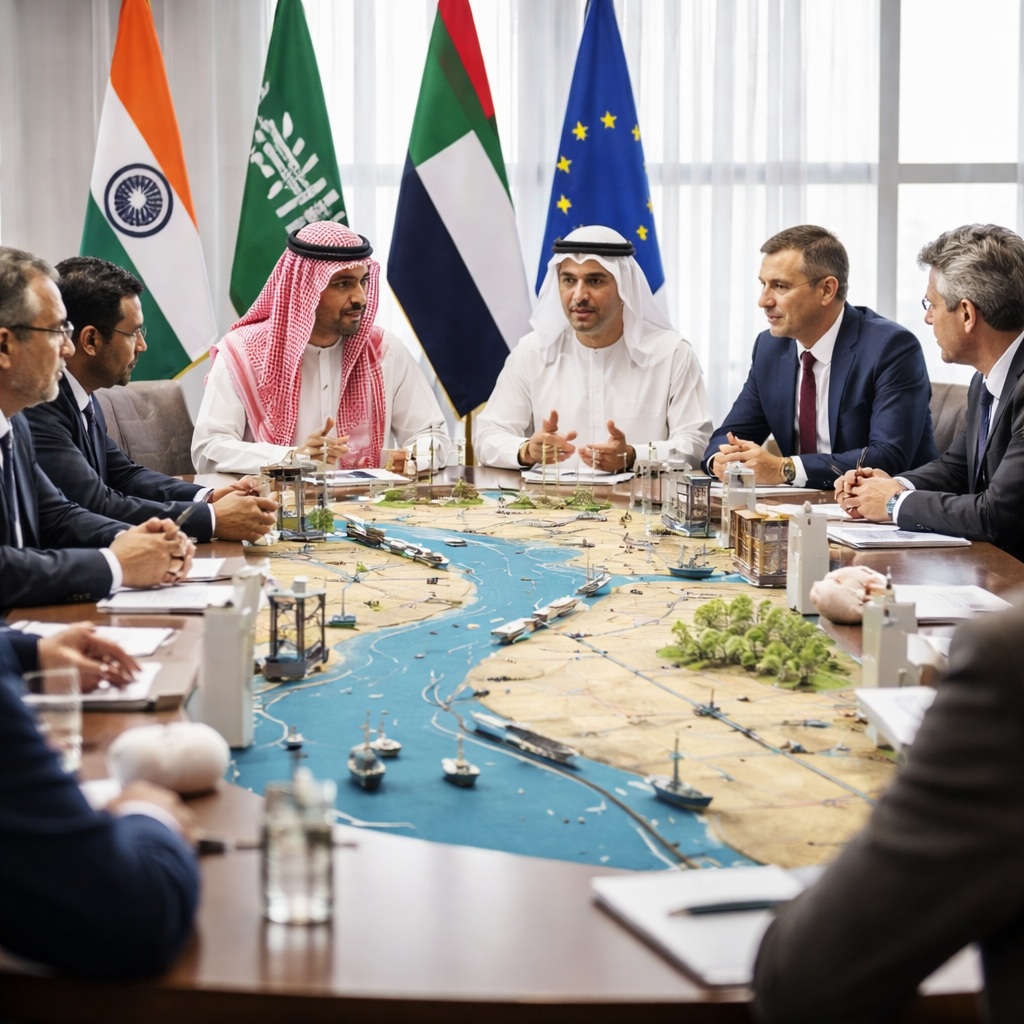
Geopolitical shocks, regional mistrust and unresolved financing questions are slowing momentum behind a project meant to reshape trade across three continents.

As global leaders continue to search for alternatives to strained trade routes and fragile supply chains, the India–Middle East–Europe Economic Corridor (IMEC) remains one of the most ambitious — and uncertain — infrastructure visions on the table. Announced with fanfare and framed as a game‑changing link between South Asia, the Gulf and Europe, the corridor promised faster shipping, new energy connections and a digital backbone tying three regions more closely together. Yet months after its unveiling, negotiations are moving slowly, with progress repeatedly interrupted by geopolitical shocks and diplomatic hesitation.
At the heart of the slowdown lies a volatile regional environment. The ongoing conflict in Gaza has cast a long shadow over Middle Eastern diplomacy, complicating multilateral cooperation at precisely the moment IMEC requires trust and sustained political focus. Governments that once spoke confidently about rail links, ports and undersea cables are now recalibrating priorities, wary of committing to long‑term projects amid heightened security risks and public pressure at home.
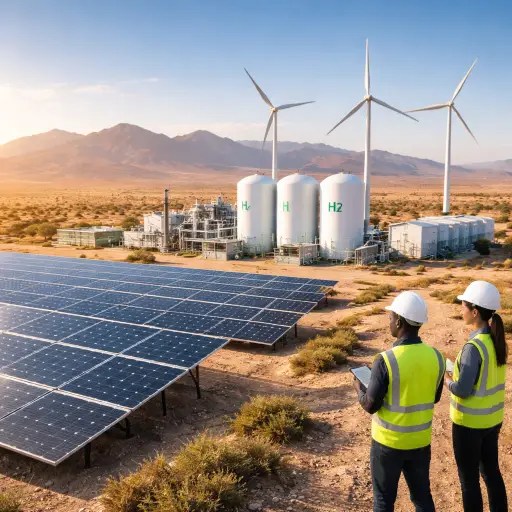
IMEC was conceived as a strategic alternative to existing east–west routes, particularly those vulnerable to congestion or political leverage. By combining rail networks across the Arabian Peninsula with maritime links to Europe and India, planners argue the corridor could sharply reduce transit times and logistics costs. Supporters also see it as a platform for future energy trade, including hydrogen, and for secure digital connectivity through data cables. In theory, the project aligns economic pragmatism with geopolitical diversification.
In practice, however, the corridor depends on a rare level of coordination among states with divergent interests and unresolved disputes. Normalization efforts between Israel and several Arab states were widely viewed as a quiet but critical enabler of IMEC. The current regional crisis has placed those diplomatic tracks under strain, making it politically sensitive for some governments to be seen advancing cooperation that involves Israel, even indirectly. This has slowed technical discussions and reduced the frequency of high‑level political engagement.
Financing is another unresolved challenge. While the corridor has attracted rhetorical support from major economies and development institutions, translating that backing into concrete investment commitments has proved difficult. Large‑scale rail and port projects demand clarity on governance, returns and risk‑sharing — clarity that is hard to achieve when political conditions are in flux. Private investors, in particular, are cautious about exposure to regions where security dynamics can shift rapidly.
There is also the question of strategic alignment. For India, IMEC represents a chance to deepen ties with the Middle East and Europe while reducing dependence on routes dominated by rival powers. For Gulf states, it offers an opportunity to reinforce their role as global logistics hubs beyond hydrocarbons. European stakeholders see potential benefits in supply‑chain resilience and energy diversification. Yet aligning these overlapping but distinct motivations into a single, coherent roadmap remains a complex task.
Competition with other connectivity initiatives further complicates the picture. Several countries involved in IMEC are already participants in alternative infrastructure frameworks, creating overlap and, at times, strategic ambiguity. Balancing these commitments without provoking diplomatic friction requires careful signaling — another factor slowing decisive action.
Despite the current impasse, few observers believe the corridor has been abandoned. Instead, many describe it as paused, awaiting a more favorable political climate. Technical planning continues quietly, and diplomats emphasize that the underlying economic logic remains sound. The challenge is sustaining momentum long enough for that logic to outweigh short‑term political risk.
As the year draws to a close, IMEC stands as a reminder that infrastructure megaprojects are as much about diplomacy as steel and concrete. Until regional tensions ease and political confidence is restored, the vision of a seamless trade artery linking India, the Middle East and Europe is likely to remain more aspirational than operational — a bold idea navigating an unsettled world.


 The Tower Post