
EU High Representative Kaja Kallas says the post–World War II order is fading, calling on Europe and its allies to rethink security, power, and responsibility.
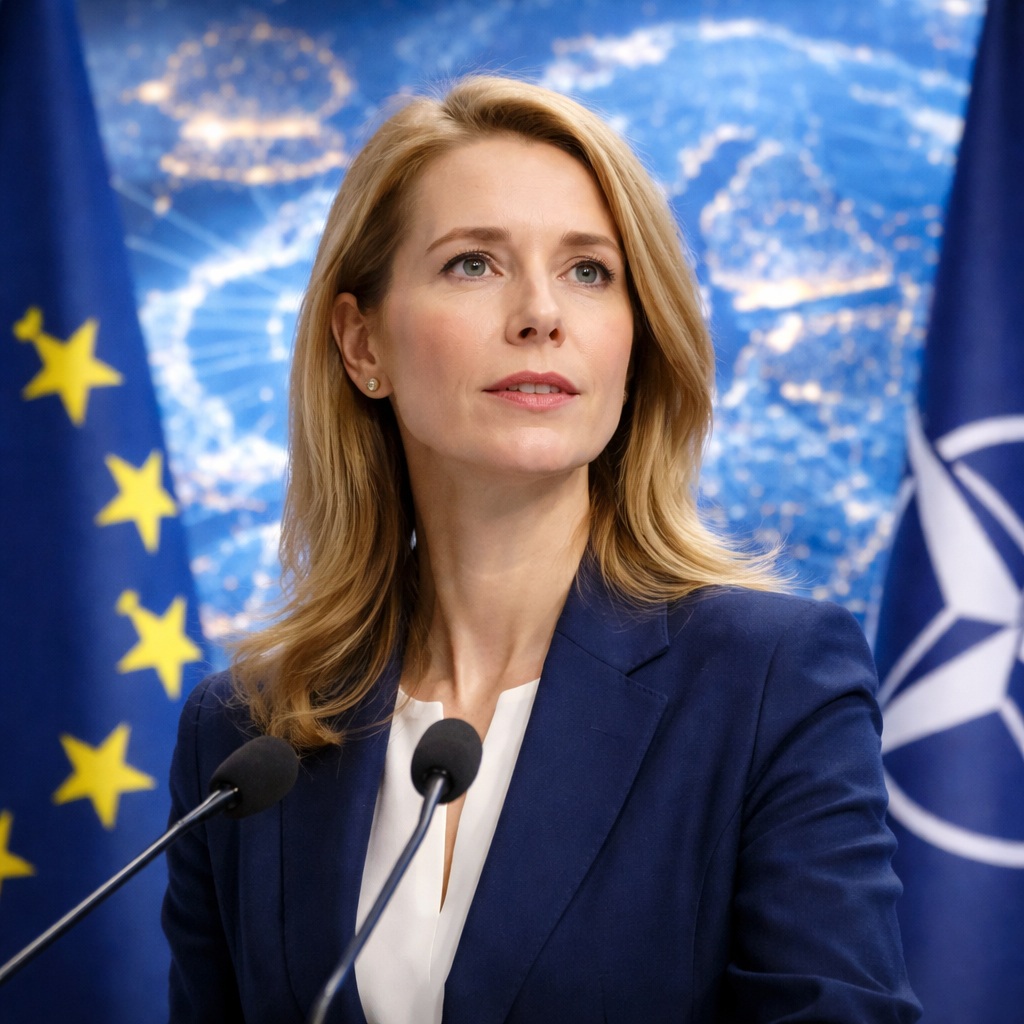
As winter settles over Europe and much of the world pauses in reflection, a stark warning cuts through the seasonal calm. Kaja Kallas, Estonia’s prime minister turned EU High Representative for Foreign Affairs and Security Policy, has delivered one of the clearest assessments yet of the global moment: the rules that shaped international order after World War II no longer apply.
Speaking in recent weeks to European and transatlantic audiences, Kallas has argued that the assumptions underpinning decades of relative stability—respect for sovereignty, deterrence through shared norms, and the primacy of international law—have eroded. What is emerging in their place, she warns, is a harsher environment defined by raw power, military coercion, and transactional alliances.
For Europe, the implications are profound.
“The world has changed, whether we like it or not,” Kallas has said in remarks that echo across EU capitals. “If we act as if the old rules still protect us, we will be dangerously unprepared.”
A COLLAPSING CONSENSUS
The postwar order was built on trauma. After unprecedented destruction, nations sought to prevent another global catastrophe by embedding cooperation into institutions, from the United Nations to NATO, and by anchoring security in collective defense and shared values. For decades, despite crises and conflicts, those structures held.
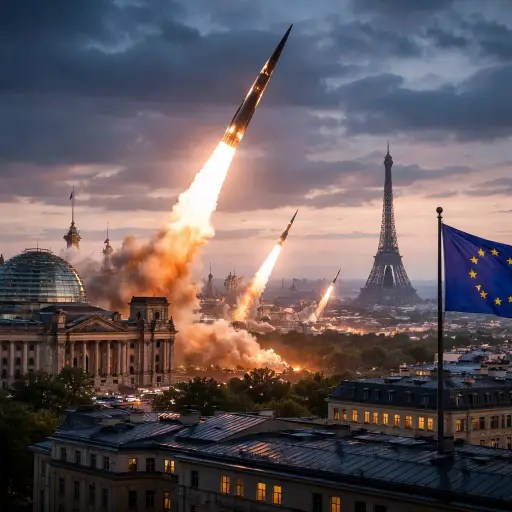
Kallas argues that this consensus is now breaking down. Wars of aggression, the open use of energy and food as weapons, cyberattacks on civilian infrastructure, and the normalization of disinformation campaigns all point to a world where restraint is no longer assumed.
For smaller states like Estonia, which border Russia and have long memories of occupation, this shift is not theoretical. It is existential. Kallas has repeatedly stressed that what happens on Europe’s eastern flank is a test case for the credibility of the entire international system.
“If borders can be changed by force and there are no consequences, then no country is truly safe,” she has warned.
NATO AND THE EUROPEAN WAKE-UP CALL
Central to Kallas’s message is the role of NATO and the European Union. She insists that adaptation cannot be gradual or cosmetic. Defense spending, industrial capacity, intelligence sharing, and political decision-making must all accelerate.
While NATO remains the cornerstone of European security, Kallas has been clear that Europe must carry more of the burden. The era of assuming unlimited external protection, she argues, is over.
This does not mean abandoning transatlantic ties. On the contrary, Kallas sees unity between Europe and North America as more vital than ever. But unity, she says, must be matched by capability.
“The credibility of deterrence depends on action, not declarations,” she has said. “Our adversaries watch what we do, not what we promise.”
VALUES UNDER PRESSURE
Beyond tanks and missiles, Kallas frames the crisis as a moral one. Democracies, she argues, are being tested not only by external threats but by internal fatigue. Economic strain, political polarization, and the temptation to retreat into short-term pragmatism risk hollowing out the very values Europe claims to defend.
In this sense, the challenge is generational. Kallas has urged European leaders to speak honestly to their citizens about the costs of security and the dangers of complacency. Peace, she notes, is not self-sustaining.
Her message resonates especially strongly during the year’s final days, a time traditionally associated with hope and renewal. But Kallas offers no comforting illusions. Stability will not return simply because people wish for it.
A HARDER, CLEARER FUTURE
Looking ahead, Kallas does not predict inevitable conflict, but she rejects the idea that cooperation alone can tame aggression. The new global reality, in her view, requires resilience: stronger defenses, diversified economies, protected democratic institutions, and a willingness to confront uncomfortable truths.
For Europe, this means choosing strategic maturity over nostalgia. The world that emerged from the ashes of World War II was shaped by necessity and courage. Kallas’s warning suggests that a similar moment has arrived again—less dramatic, perhaps, but no less consequential.
As the year draws to a close, her message is unmistakable: the rules have changed. Whether Europe adapts in time will determine not only its security, but its place in a rapidly reshaping world.

 The Tower Post