
A worldwide advisory raises fresh questions about tech mobility, hiring pipelines, and the future of cross-border innovation
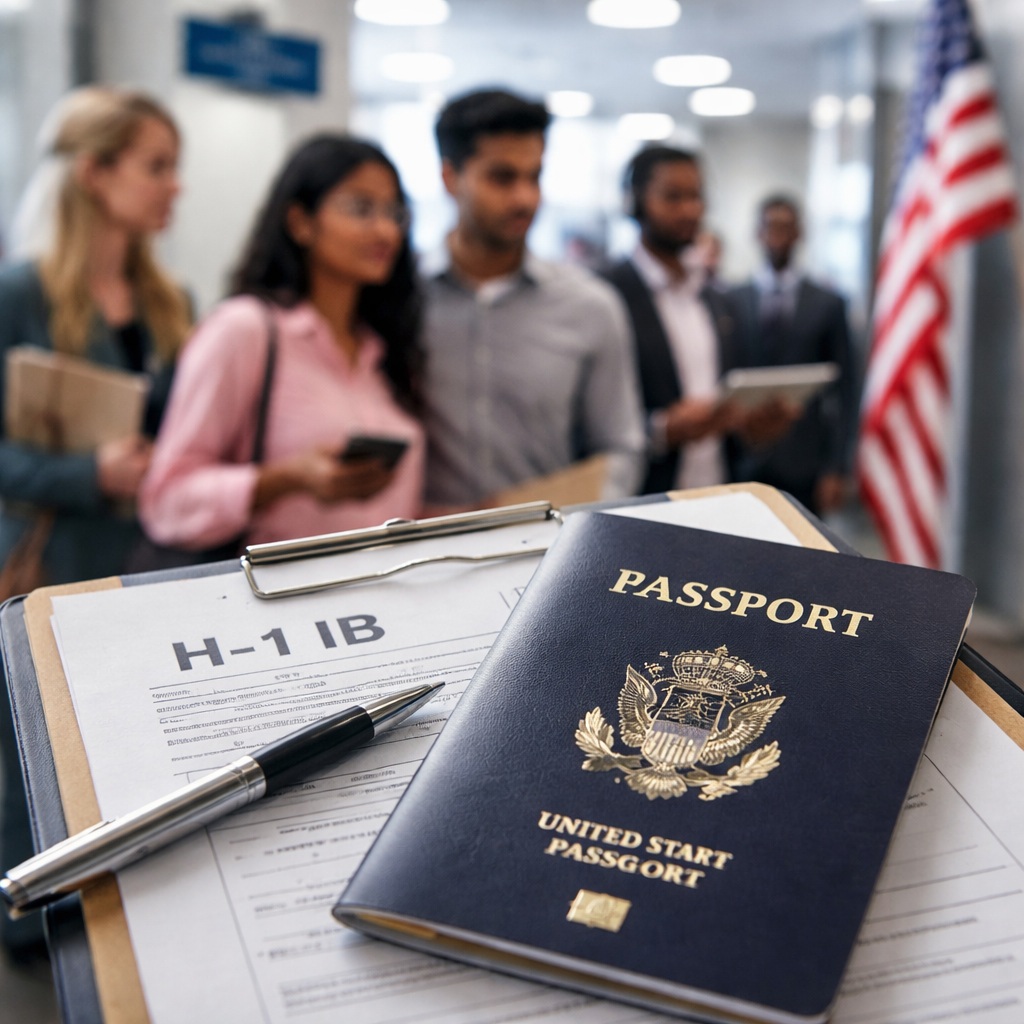
As the year draws to a close, a new worldwide alert issued by the U.S. Embassy network regarding H-1B and H-4 visas is sending ripples through the global technology workforce. The advisory, circulated to consular posts and echoed across professional networks, warns of heightened scrutiny, longer processing times, and evolving compliance expectations for employment-based visas commonly used by tech professionals and their families.
The alert does not introduce a single new rule. Instead, it reflects a convergence of policy enforcement, geopolitical caution, and administrative recalibration. For thousands of engineers, developers, data scientists, and product managers working across borders, the message is clear: mobility into and through the United States tech ecosystem is entering a more uncertain phase.
For years, the H-1B visa has been a cornerstone of U.S. technology growth, enabling companies to recruit highly skilled professionals from around the world. The accompanying H-4 visa has allowed spouses and dependents to join them, supporting longer-term relocation and stability. The current alert, however, underscores a shift in tone. Consular officers are being urged to apply stricter standards of review, particularly around job descriptions, employer-employee relationships, and the alignment between skills and roles.
Technology firms, especially those with distributed teams, are watching closely. Recruiters report increased hesitancy among candidates who had previously viewed the United States as a predictable destination. Some applicants are delaying transfers, while others are seeking alternative pathways in Canada, Europe, the Middle East, or emerging Asian tech hubs. The alert is reinforcing an already growing perception that global talent flows are becoming more fragmented.
Industry analysts note that this moment is not occurring in isolation. Governments worldwide are reassessing immigration frameworks in response to domestic labor pressures, security concerns, and economic realignment. The U.S. alert fits into this broader pattern, signaling a preference for tighter controls rather than expanded access, even in high-demand sectors like artificial intelligence, cloud computing, and cybersecurity.
For professionals currently holding H-1B or H-4 visas, the advisory has introduced fresh anxiety. Routine activities such as international travel, visa renewals, or changes in employment now carry additional risk. Immigration attorneys report a surge in consultations from workers seeking clarity on timelines, documentation, and contingency planning. The uncertainty is particularly acute for families, where a delayed or denied application can disrupt education, employment, and long-term plans.
From a strategic perspective, the alert may accelerate structural changes in how technology work is organized. Companies are investing more heavily in remote-first models, regional innovation centers, and local hiring in markets once considered secondary. While this diversification can strengthen resilience, it also challenges the long-held dominance of the U.S. as the central magnet for global tech talent.
Critics argue that restrictive signals risk undermining competitiveness at a time when technological leadership is fiercely contested. Supporters counter that careful vetting protects labor standards and national interests. What is clear is that policy messaging itself shapes behavior. Even without explicit numerical caps or bans, an atmosphere of caution can redirect careers and capital.
As the holiday season unfolds, the timing of the alert adds a symbolic weight. It arrives during a period traditionally associated with reflection and planning, prompting individuals and organizations alike to reassess assumptions about mobility, opportunity, and belonging in the global tech economy.
Looking ahead, much will depend on how consistently the guidance is applied and whether further clarification follows. For now, the worldwide H-1B/H-4 alert stands as a reminder that talent mobility is no longer just a personal or corporate decision. It is increasingly a geopolitical variable, influencing where innovation happens and who gets to participate in shaping the technologies of the future.



 The Tower Post