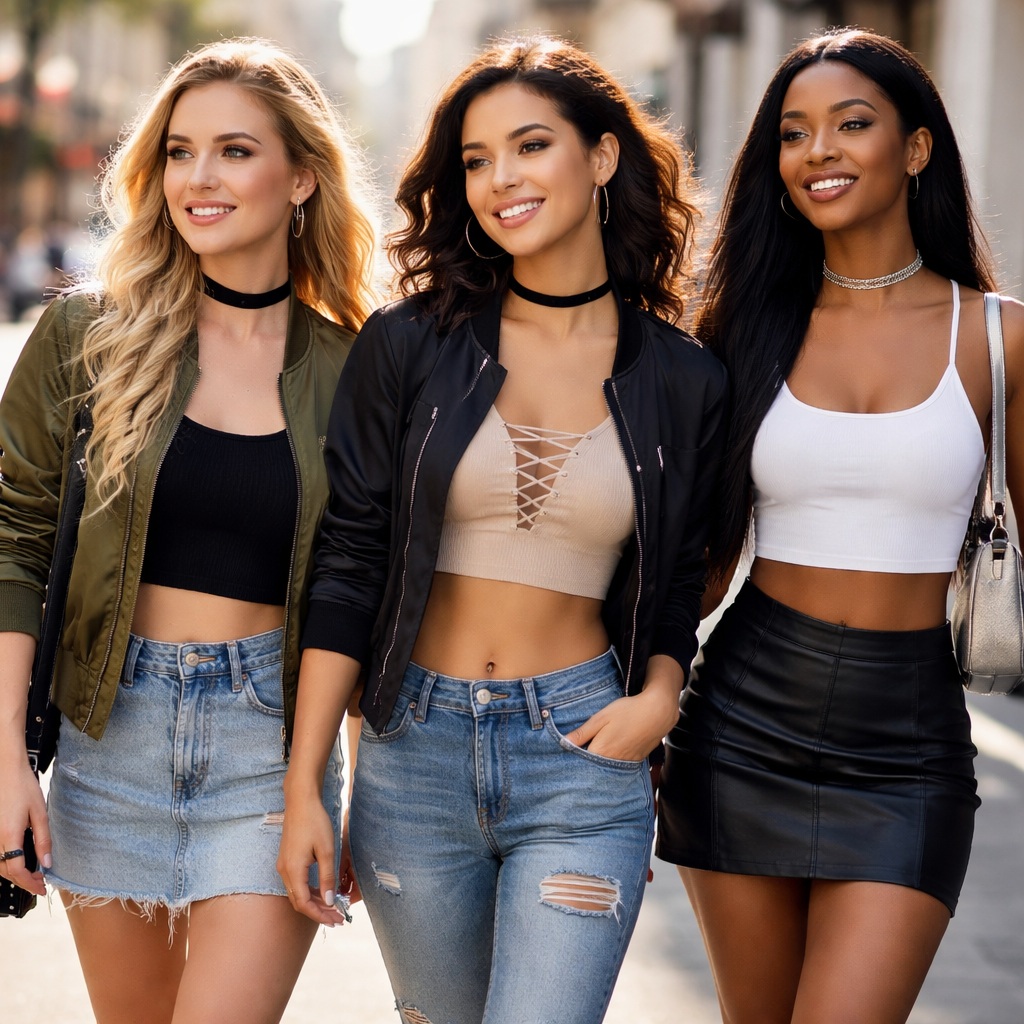
The fast-fashion giant’s return to crop tops, chokers, and bomber jackets ignites debate about memory, speed, and the internet’s endless style loop.

As the year winds down and social platforms fill with retrospective mood boards, Zara has unexpectedly turned the clock back. Shoppers scrolling through the brand’s latest collections have noticed familiar silhouettes: cropped tops reminiscent of festival summers, slim black chokers once synonymous with Instagram selfies, and satin bomber jackets that dominated street style nearly a decade ago.
The revival has triggered an immediate and emotional response online. For many, the pieces recall a time when social media felt less crowded and trends moved at a pace that allowed them to linger. Others, however, reacted with hesitation—or outright discomfort—questioning whether the industry is recycling its own recent past too quickly.
On TikTok and Instagram, users have posted side-by-side comparisons of old outfits and current Zara displays, often captioned with a mix of humor and disbelief. “It feels like yesterday,” one viral post reads, echoing a broader sentiment that the gap between ‘then’ and ‘now’ is shrinking at an unprecedented rate.
Fashion analysts say the phenomenon reflects a deeper shift in how trends are born, die, and resurrected. In previous decades, nostalgia cycles typically spanned generations. Today, algorithms accelerate memory itself, resurfacing aesthetics from just a few years ago and reframing them as newly desirable. The so-called ‘micro-trend’ culture has turned wardrobes into fast-moving archives.
Supporters of the comeback argue that 2016 represented a creative high point: playful, expressive, and accessible. Crop tops and chokers symbolized confidence and individuality, while bomber jackets blurred the line between streetwear and high fashion. Reintroducing these elements, they say, offers comfort in an era marked by uncertainty and rapid change.
Critics counter that the revival exposes fashion’s creative stagnation. Some see the move as a calculated attempt to capitalize on nostalgia rather than invest in new ideas. Others note the emotional whiplash of confronting styles associated with personal memories—both joyful and awkward—resurfacing so publicly.
Zara’s strategy also highlights the power of social media feedback loops. A single nostalgic video can spark millions of views, prompting brands to respond almost in real time. What once took years to trickle down from runways to malls now happens in weeks, sometimes days.
As shoppers browse these familiar designs during the reflective days at the end of the year, the debate continues. Are these revived looks a celebration of shared cultural memory, or a sign that fashion is trapped in an endless rewind? Either way, Zara’s 2016-inspired collection underscores a defining reality of modern style: in the digital age, the past is never far away—and it’s always ready for a comeback.