Central bank flags widening fiscal gap driven by infrastructure push, defence build-up, tax relief and rising social spending

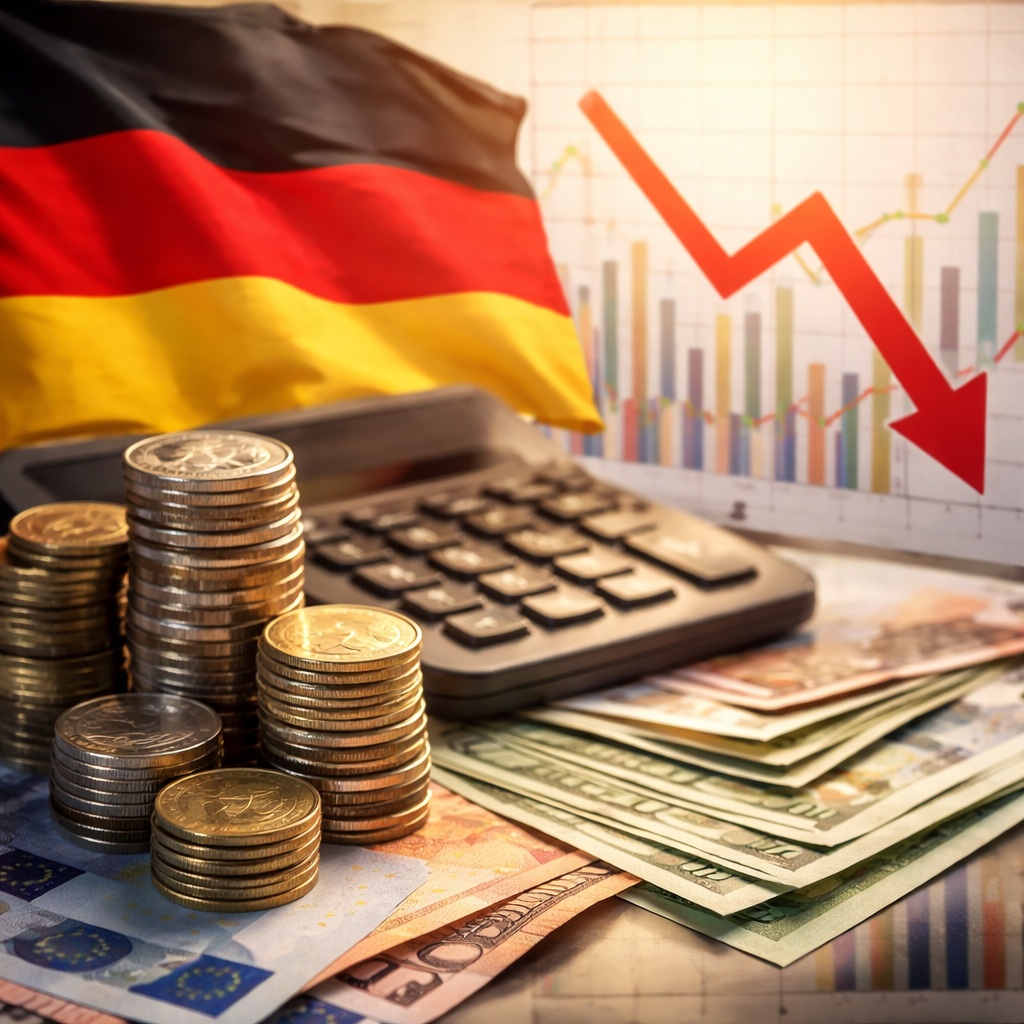
Germany is heading toward its most severe fiscal imbalance since reunification, according to a warning from the country’s central bank that has reignited debate over the sustainability of public finances at a delicate moment for Europe’s largest economy.
In its latest assessment, the Bundesbank cautioned that the federal budget deficit could expand sharply over the coming years, approaching levels not seen since the early post-reunification period. The deterioration, it said, would be driven by a convergence of policy choices and structural pressures: ambitious infrastructure investment, a sustained increase in defence expenditure, politically sensitive tax reductions, and steadily rising social outlays.
The warning lands as Germany struggles to reconcile its traditional reputation for fiscal discipline with a new era defined by geopolitical insecurity, ageing demographics and the need to modernise an economy that has shown persistent signs of stagnation. For decades, Berlin has been a vocal advocate of strict budget rules at home and across the European Union. Now, the arithmetic underpinning that stance is under strain.
At the heart of the challenge lies a broad investment push. Years of underfunding have left Germany’s transport networks, digital infrastructure and energy systems in need of costly upgrades. Successive governments have acknowledged the backlog, but the scale of the required spending is only now being fully reflected in medium-term budget plans. Rail corridors, bridges and power grids are all slated for renewal, often at a time when construction costs remain elevated.
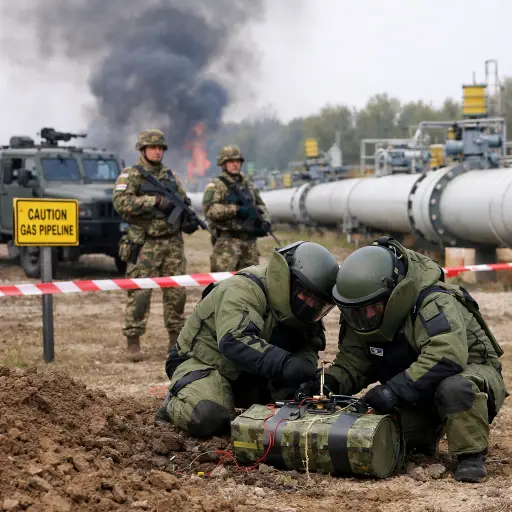
Defence spending represents another structural shift. Since the outbreak of war in Ukraine, Germany has committed to a long-term strengthening of its armed forces, reversing decades of relative restraint. While a special fund initially absorbed part of the increase, the Bundesbank notes that integrating higher defence outlays into the regular budget will place lasting pressure on public finances.
Tax policy adds a further layer of complexity. Measures designed to support households and businesses—introduced to cushion the impact of high energy prices and weak growth—have reduced revenues at a moment when expenditures are rising. Although such relief has helped stabilise demand, the central bank cautions that permanent tax cuts without offsetting measures risk widening the structural deficit.
Social spending, meanwhile, continues to climb. Germany’s ageing population is driving up pension and healthcare costs, while social transfers have expanded in response to inflation and labour market adjustments. These trends, largely immune to short-term political correction, are expected to intensify over time.
The Bundesbank’s analysis underscores the tension between Germany’s constitutional debt brake and the realities of current policy ambitions. While the fiscal rule allows for limited borrowing under exceptional circumstances, the central bank warns that repeated reliance on exemptions or creative budgeting could erode credibility and reduce fiscal flexibility in future crises.
Economists say the implications extend beyond Germany’s borders. As the euro area’s largest economy, Germany plays a pivotal role in setting the tone for fiscal policy across the bloc. A sustained widening of its deficit could influence debates on reforming European fiscal rules and alter expectations about how much room governments have to support growth through spending.
Politically, the outlook is fraught. Calls for investment-led growth compete with demands to uphold fiscal orthodoxy, while coalition dynamics complicate efforts to agree on spending cuts or revenue increases. Any move to rein in the deficit risks resistance from voters already facing economic uncertainty.
For now, the Bundesbank is urging early and transparent adjustments to avoid sharper corrections later. Without credible consolidation measures, it warns, Germany could find itself entering the next economic downturn with diminished fiscal buffers—an uncomfortable position for a country long seen as the anchor of stability in Europe.
As the year draws to a close, the message from the central bank is clear: Germany’s fiscal choices in the coming years will shape not only its own economic trajectory, but also confidence in Europe’s ability to balance investment, security and social cohesion with sustainable public finances.