A last-minute parliamentary compromise keeps the state running, exposing deep political rifts as fiscal uncertainty and social tensions persist.

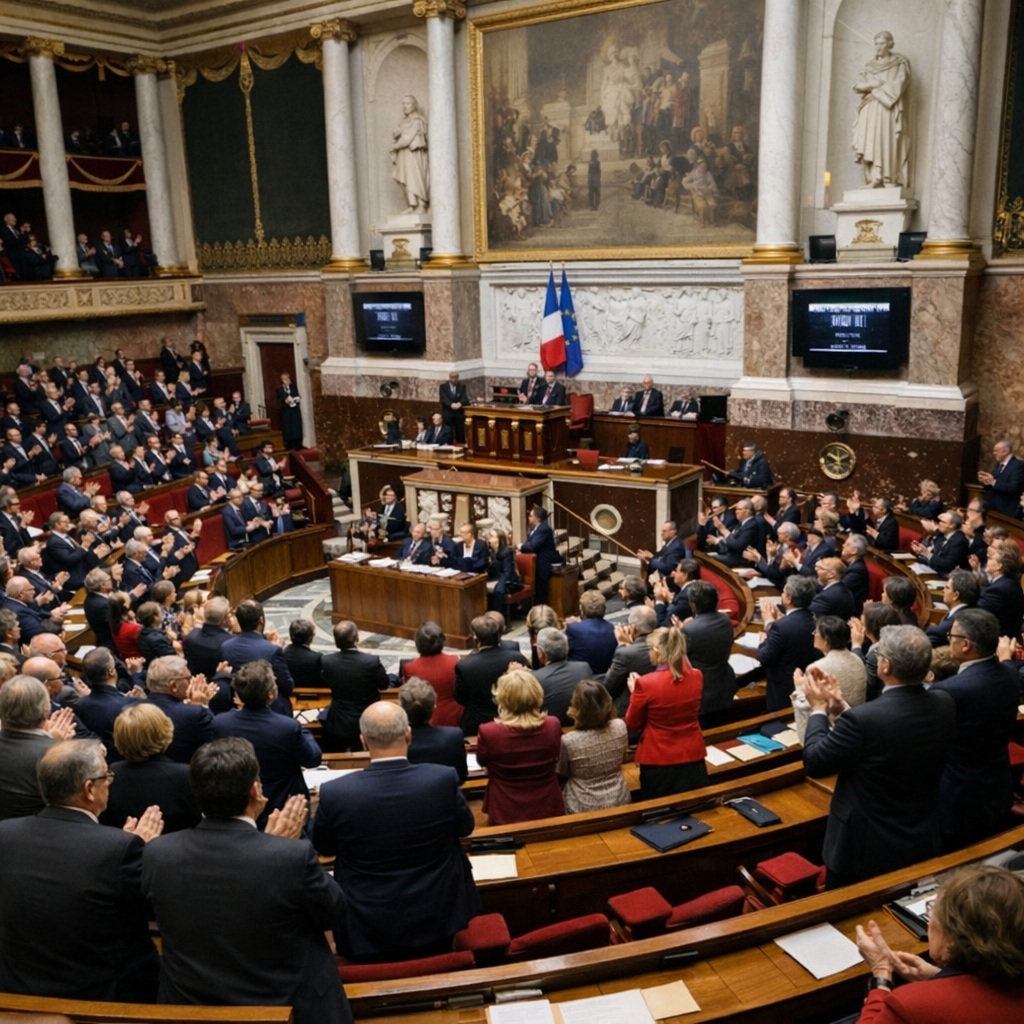
Paris — As the year draws to a close, France’s institutions have stepped back from the brink. After days of stalled negotiations and mounting uncertainty, lawmakers in the National Assembly and the Senate approved an emergency bill designed to keep the machinery of government operating. The vote, taken under intense political pressure, prevented a shutdown that would have disrupted public services and shaken confidence at a delicate economic moment.
The emergency law authorizes the state to continue collecting taxes and paying essential expenditures in the absence of an agreed annual budget. It is an extraordinary measure, rarely used and politically sensitive, underscoring the depth of the impasse that has taken hold in French fiscal politics. With negotiations collapsing between rival blocs, the legislation was framed as a stopgap rather than a solution, buying time while exposing fractures that show no sign of healing.
At the center of the storm is President Emmanuel Macron’s centrist coalition, which lacks an outright parliamentary majority and has struggled to impose budgetary discipline amid a polarized chamber. Efforts to broker compromises with opposition forces faltered as both the far right and the left accused the government of sidelining social priorities while demanding fiscal restraint.
For supporters of the bill, the vote was an act of institutional responsibility. Government officials argued that allowing a shutdown would have damaged France’s credibility, unsettled markets, and penalized citizens who rely on uninterrupted public services. Civil servants, hospitals, schools, and transport networks all stood to be affected had the state’s financing been frozen.
Opponents, however, saw the emergency measure as a symptom of democratic dysfunction. Left-wing parties denounced what they described as a technocratic maneuver that bypassed meaningful debate over spending choices and social investment. Far-right lawmakers criticized the government’s fiscal strategy as detached from everyday concerns, accusing the executive of governing by emergency rather than consensus.
The confrontation reflects a broader transformation of French politics. Traditional governing coalitions have given way to a fragmented landscape where no single force can easily dominate. The National Assembly has become a forum of sharp ideological clashes, with procedural tools increasingly used to overcome deadlock. The emergency budget law, while legal and constitutional, has reinforced perceptions that the normal legislative process is under strain.
Budgetary discord has also revived tensions linked to pension reform, a defining issue of recent years. The overhaul of the pension system, pushed through despite widespread protests, continues to cast a long shadow over relations between the government and opposition parties. Many lawmakers on the left view the current fiscal debate as inseparable from that earlier confrontation, arguing that social sacrifices were imposed without sufficient political consent.
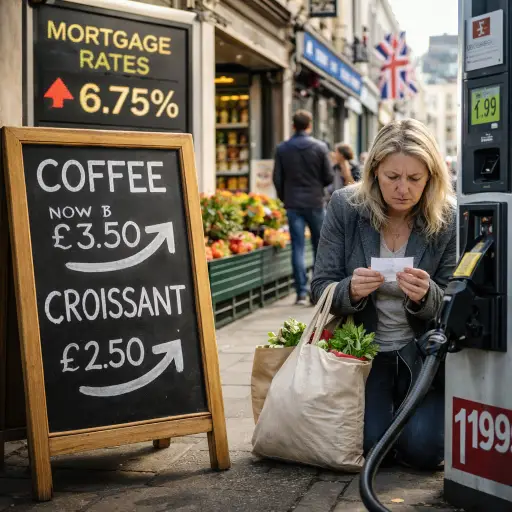
Economically, the backdrop is equally fraught. France faces pressure to contain its deficit while supporting growth in a sluggish European environment. Rising interest rates and concerns about public debt have narrowed the government’s room for maneuver, even as households grapple with the cost of living. These constraints have sharpened disagreements over where cuts should fall and which sectors deserve protection.
Within the Senate, traditionally more conservative and territorially rooted, the emergency bill also provoked unease. While ultimately approved, senators emphasized the need for renewed dialogue and warned against the normalization of exceptional procedures. Several called for a return to stable fiscal planning, arguing that repeated crises risk eroding trust in public institutions.
Public reaction has been mixed. For many citizens, the avoidance of a shutdown came as a relief, sparing them immediate disruption. Yet the broader mood remains one of fatigue and skepticism. Opinion polls and street-level conversations alike suggest a growing distance between voters and their representatives, fueled by the sense that fundamental choices are being deferred rather than resolved.
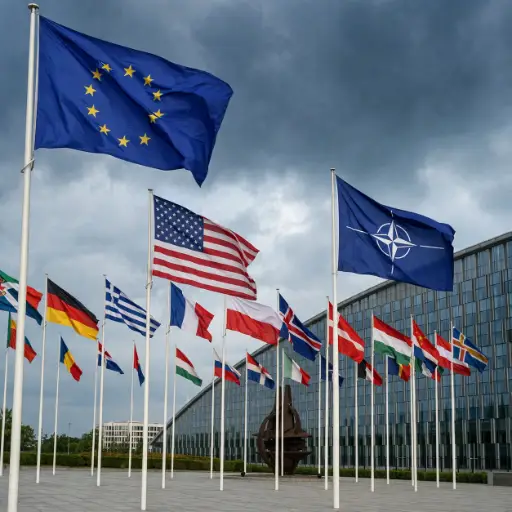
Internationally, the episode has been closely watched. As a core member of the euro zone, France’s budgetary path carries implications beyond its borders. European partners have urged stability and predictability, wary of turbulence in one of the bloc’s largest economies. The emergency law, while preventing immediate fallout, has done little to clarify how Paris intends to reconcile political division with fiscal commitments.
Looking ahead, the government faces a narrow window to rebuild momentum. Fresh negotiations on the full budget will test whether compromise is still possible in a divided parliament. Failure could mean further reliance on exceptional measures, deepening the perception of governance by crisis.
For President Macron, the stakes are high. His remaining time in office is increasingly defined by institutional balancing acts rather than sweeping reforms. The emergency bill may have kept the lights on, but it has also illuminated the limits of centrist power in a fractured political era.
As France moves forward, the challenge will be to transform this temporary reprieve into a durable settlement. Without renewed dialogue and political trust, the country risks returning to the same precipice, emergency law after emergency law, with the deeper questions of fiscal justice and democratic legitimacy left unresolved.