
Property prices slip again as demand softens and economic uncertainty weighs on confidence
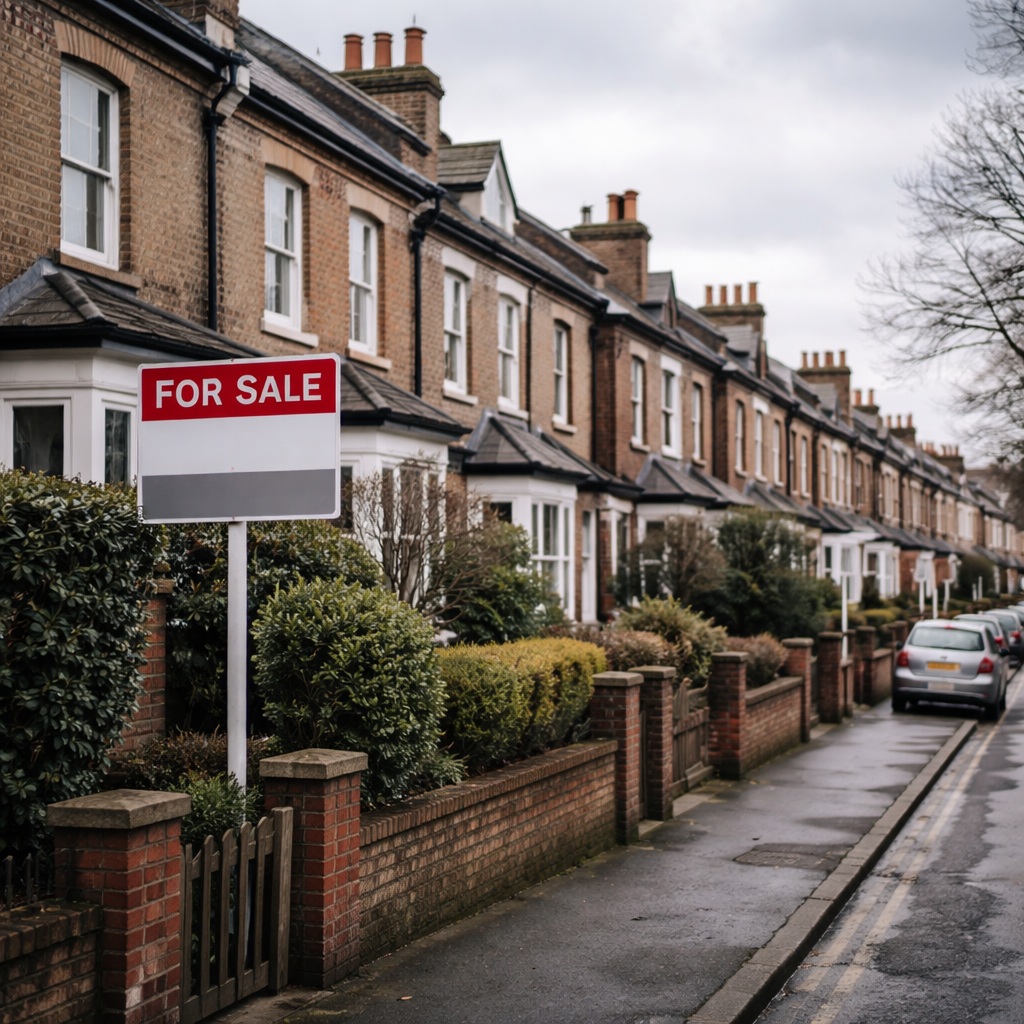
The UK housing market is showing clearer signs of cooling as property prices edge lower for a second consecutive month, reinforcing the sense that a long period of resilience is giving way to a more cautious phase. After years of rapid growth fueled by cheap borrowing, pandemic-era lifestyle shifts, and chronic supply shortages, the market is now adjusting to a tougher economic climate and more restrained buyer sentiment.
Estate agents and mortgage brokers report that activity has slowed noticeably across much of the country. Viewings are taking longer to convert into offers, price negotiations are becoming more common, and sellers are increasingly realistic about what they can achieve. While the decline in prices remains modest, the direction of travel has captured attention because it reflects deeper shifts in demand and confidence rather than short-term volatility.
Higher borrowing costs continue to shape the market’s mood. Even though expectations of future rate cuts have helped stabilize sentiment in recent months, mortgage rates remain well above the levels that defined the previous decade. For many households, the affordability gap has become harder to bridge, particularly for first-time buyers facing high deposits and elevated monthly repayments. This has reduced the pool of active purchasers and lengthened transaction times.
The cooling is not uniform across the country. Prime locations in London and parts of the South East, long seen as safe havens, are no longer immune to softer demand, especially in the higher-priced segments of the market. At the same time, some regional cities and commuter towns that benefited from remote-working trends are seeing demand normalize as employers encourage a return to offices and hybrid routines settle into place.
Consumer confidence is a central factor behind the slowdown. Households remain cautious amid concerns about the broader economic outlook, including uneven growth across Europe and lingering pressures on real incomes. Even where employment levels remain relatively stable, many buyers are choosing to delay major financial decisions until there is greater clarity on inflation, interest rates, and future earnings prospects.
This caution is also evident among sellers. Some homeowners are opting to postpone listing their properties, hoping conditions will improve in the coming year. Others are adjusting expectations, accepting that the era of rapid price appreciation has passed, at least for now. Developers, too, are reassessing projects, particularly those aimed at discretionary buyers, as pre-sales become harder to secure.
The UK market’s cooling mirrors wider trends across the European real estate sector. Several major economies are experiencing similar slowdowns as higher financing costs and weaker growth weigh on both residential and commercial property. This shared backdrop underscores that the UK’s shift is not an isolated phenomenon but part of a broader adjustment following years of extraordinary stimulus and expansion.
Despite the softer tone, most analysts stop short of predicting a sharp downturn. Housing supply in the UK remains structurally constrained, providing a degree of support to prices. Demographic pressures, including household formation and long-term undersupply, continue to underpin demand over the medium term. As a result, the current phase is widely seen as a correction rather than a collapse.
For policymakers, the cooling market presents a delicate balance. On one hand, easing price pressures may help improve affordability over time. On the other, a prolonged slowdown could weigh on construction activity, household wealth, and consumer spending, all of which play important roles in the broader economy. The housing market’s trajectory is therefore closely watched as an indicator of underlying economic momentum.
Looking ahead, much will depend on how quickly financial conditions ease and whether confidence returns. If borrowing costs gradually fall and income growth stabilizes, demand could recover in a measured way. Until then, the market appears set to remain subdued, marked by cautious buyers, pragmatic sellers, and prices that reflect a more restrained economic reality.
As the year draws to a close, the message from the housing market is clear: the period of relentless growth has given way to a pause for breath. Whether this pause becomes a longer period of adjustment will shape not only the property sector, but also the wider outlook for the UK economy in the months ahead.




 The Tower Post